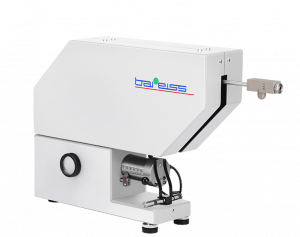
DIN 53512 is a rubber and elastomer test method for determining rebound resilience using a Schob pendulum. It is commonly used to compare compounds and batches where dynamic elasticity and energy loss under impact are important.
If you need help aligning your customer requirement to the correct current document (including ISO alternatives) and making sure your setup matches the cited edition, you can talk with our team.
DIN 53512:2000-04 — Testing of rubber: Determination of rebound resilience (Schob pendulum)
DIN 53512 is a laboratory method focused on measuring how much energy an elastomer returns after an impact event. The result is typically used as an indicator of resilience (and, indirectly, damping/hysteresis behavior) for rubber compounds and finished rubber parts made from elastomeric materials.
This DIN document is published as DIN 53512:2000-04 and is marked as withdrawn in the DIN catalog record. For many purchasing and compliance workflows, this means the cited requirement may need to be updated or mapped to a replacement or recommended document before testing is scheduled.
Quick Definition
Document type: Test method.
Property measured: Rebound resilience of rubber/elastomers under impact using a Schob pendulum apparatus.
Typical use: Material comparison, formulation screening, and production QA/QC checks for dynamic elasticity.
What This Standard Covers
DIN 53512 describes a standardized rebound test where an impactor strikes a rubber test piece and the rebound behavior is measured with a pendulum-based device (Schob pendulum). The output is a rebound resilience value that helps differentiate compounds with different energy-return characteristics.
Because the measured value can be sensitive to test piece preparation, conditioning, and instrument configuration, the exact cited edition and the specified apparatus requirements matter when you are comparing results across labs or across time.
Why This Standard Matters in Testing
Rebound resilience is often used as a practical, fast check on how “springy” a rubber is under a short impact. In product terms, it can be relevant to performance expectations tied to dynamic response (for example, vibration behavior, rolling/impact response, or general compound “liveliness”), as well as to routine manufacturing consistency.
For supplier qualification and incoming inspection, a rebound resilience method can be used alongside hardness, tensile, and abrasion measurements to build a more complete picture of compound behavior.
Common Materials, Product Types, or Applications Covered
DIN 53512 is used with rubber and elastomer materials and is most commonly applied to:
- Rubber compounds (production batches and lab-mixed formulations)
- Elastomer sheets and molded rubber parts where a test piece can be prepared to the specified geometry
- Applications where dynamic response or damping behavior is part of material selection
In many labs, the rebound test is positioned as a quick comparative method rather than a single pass/fail requirement on its own.
Common Test or Verification Workflow
A typical DIN 53512 workflow includes preparing standardized test pieces, conditioning them as required, running multiple impacts with the Schob pendulum device, and reporting a rebound resilience value.
Common workflows: Incoming material checks, batch release testing, compound development comparisons, and inter-lab comparison programs.
Practical caution: Rebound results can shift with temperature/conditioning and specimen details, so it is important to align the conditioning and apparatus requirements to the exact referenced document (especially when results are used for acceptance decisions).
Equipment Commonly Used for This Standard
DIN 53512 points to a pendulum-based rebound resilience tester (Schob pendulum configuration) and supporting tools for specimen preparation and conditioning.
Common equipment: Schob pendulum rebound resilience tester, specimen cutting/preparation tools, and a controlled conditioning environment when required by the test plan.
If you are specifying a new instrument or replacing an older unit, it is worth confirming the exact document your customer cites (DIN 53512 vs. an ISO replacement) so the device configuration and reporting match what the receiving party expects. When you are ready to compare configurations, you can request pricing for a rebound resilience tester package matched to your throughput and reporting needs.
How to Read This Designation or Revision
DIN standards are commonly cited with an edition date. In DIN’s catalog, this document is listed as DIN 53512:2000-04.
Revision sensitivity: High. Apparatus requirements, specimen details, and reporting expectations can vary by edition and by whether a purchaser has migrated to an ISO alternative.
Status note: DIN’s catalog record lists this document as withdrawn and indicates a recommendation to use ISO 4662 (with a current ISO edition shown in the DIN record).
Related Standards, Methods, or Frameworks
The DIN catalog record for DIN 53512 recommends ISO 4662 for rebound resilience testing of rubber. In practice, many organizations update internal specifications by migrating from legacy DIN citations to the ISO document to keep requirements current.
When multiple standards are referenced across customer prints, PPAP/FAI packages, or internal control plans, it is important to confirm which document governs the acceptance criteria and which document governs the test procedure.
Talk with Us About DIN 53512 / ISO 4662 Test Setup
If you are working from a legacy DIN 53512 citation and need to decide whether to test to DIN 53512:2000-04 or transition to ISO 4662, contact our team to discuss the document callout, equipment configuration, and what to include in your test report for your customer or auditor.