ISO 7500-1:2018 defines how to calibrate and verify the force-measuring system of a static tension/compression testing machine (commonly a universal testing machine). It is used to demonstrate that the machine’s indicated force meets the limits of a specified accuracy class after inspection and calibration.
If you need help interpreting the verification steps, choosing a suitable reference load device, or matching the right setup to your machine capacity, talk with our team.
ISO 7500-1:2018 — Metallic materials — Calibration and verification of static uniaxial testing machines — Part 1: Tension/compression testing machines — Calibration and verification of the force-measuring system
ISO 7500-1 is an International Standard focused on metrological verification of the machine’s applied-force indication for static uniaxial loading. It is commonly referenced in quality systems, accreditation programs, and customer specifications that require documented force accuracy for tensile and compression testing.
This standard is not a material test method. Instead, it supports confidence in the force values produced by a testing machine when running material tests (for example, tensile strength, yield strength, or compression properties) that depend on accurate force measurement.
Quick Definition
ISO 7500-1 defines a process to inspect a tension/compression testing machine, calibrate its force-measuring system against a reference, and verify that the system performance meets the limits of a stated accuracy class for static testing.
What This Standard Covers
ISO 7500-1 is centered on the force-measuring system used in a tension/compression testing machine under static conditions.
- General inspection of the testing machine and its force-application accessories (as applicable to verification).
- Calibration of the machine’s force indication using a reference force-proving approach.
- Verification that performance properties achieve the limits for a specified class.
Important limitation: The scope is static calibration and verification; the calibration values are not necessarily valid for high-speed or dynamic testing.
Why This Standard Matters in Testing
Force accuracy is foundational for many mechanical test results reported from a universal testing machine. A machine that is out of tolerance can produce systematically biased strength values, drive false accept/reject decisions, and create audit findings in regulated or accredited environments.
ISO 7500-1 is commonly used to support traceability and repeatability for force-dependent results, especially when test reports, purchase specifications, or lab quality programs require evidence of machine performance.
Common Materials, Product Types, or Applications Covered
This standard is broadly applicable to static uniaxial tension and compression testing machines used with metallic materials testing programs. In practice, it is also frequently applied as a force-verification reference point for labs that test a range of engineering materials on the same machine, when the key requirement is validated force indication.
Typical use cases: production QA/QC tensile testing, incoming inspection, R&D characterization, and third-party laboratory testing where documented machine verification is required.
Common Test or Verification Workflow
ISO 7500-1 is usually implemented as a periodic verification activity and after major service events that can affect force measurement (for example, load cell replacement, controller changes, or major mechanical work).
Common workflow: machine/accessory inspection → setup of traceable reference force device → stepped loading in tension and/or compression as required → comparison of indicated force to reference force → classification/acceptance against the required class → documentation and retention of calibration/verification records.
Equipment Commonly Used for This Standard
ISO 7500-1 affects equipment selection primarily through the force calibration/verification chain and the ability to apply stable, aligned, static forces across the machine’s working range.
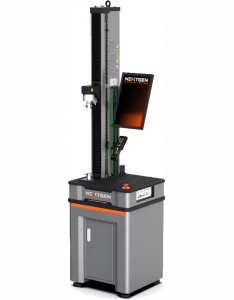
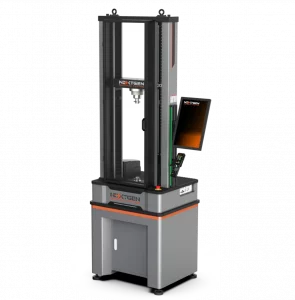
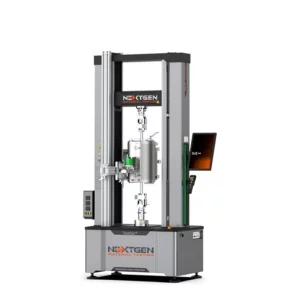
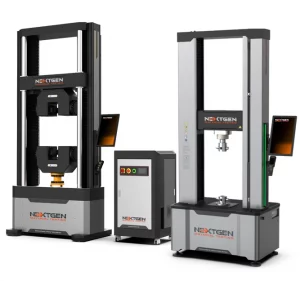
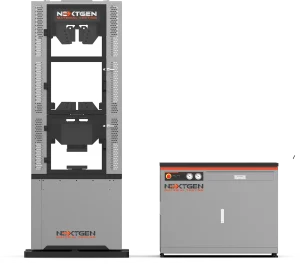
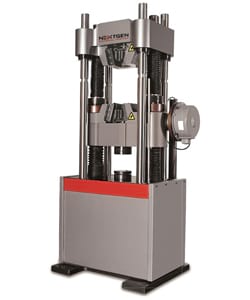
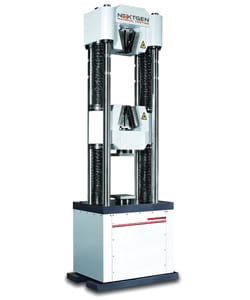
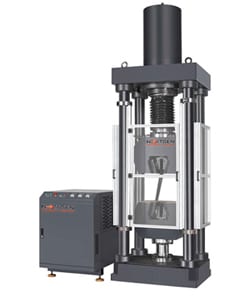
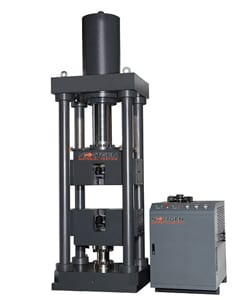
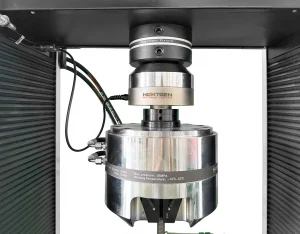
Common equipment: universal testing machine (tension/compression), machine load cell or force sensor, calibrated force-proving instrument (commonly aligned with ISO 376), appropriate compression platens and tension fixtures as needed for the verification setup, and software/data acquisition capable of recording force indications and calibration points.
Practical selection note: the required verification class and the force range you need to cover will influence the reference device class/capacity, any needed adapters/fixturing, and whether you verify in both tension and compression.
How to Read This Designation or Revision
ISO 7500-1 is the standard number and Part 1 identifies the section covering tension/compression testing machines and verification of the force-measuring system.
:2018 indicates the publication year of the referenced edition. Requirements and verification details can vary by edition, so procurement documents, audits, and test reports should cite the exact edition being used (for example, ISO 7500-1:2018).
Related Standards, Methods, or Frameworks
ISO 7500-1 verification commonly relies on calibrated reference force devices and traceability practices. A frequently associated reference is ISO 376, which addresses calibration and classification of force-proving instruments used for the verification of uniaxial testing machines.
Many labs also align ISO 7500-1 activities with broader calibration and competence requirements (for example, internal quality procedures or accreditation expectations) to ensure the verification results are documented, repeatable, and audit-ready.
Get help selecting an ISO 7500-1 verification setup
If you are equipping a lab or upgrading a force measurement chain for compliance-driven testing, you can request a detailed quote for a configuration that matches your machine capacity, target force range, and required verification class.