AASHTO T 236 is a standard method of test for measuring the consolidated drained shear strength of soils using a direct shear (shear box) apparatus.
If you are not sure whether direct shear under consolidated drained conditions is the right fit for your project requirements (or whether another shear strength method is being specified), contact our team to talk through your soil type, drainage condition, and reporting needs.
AASHTO T 236: Standard Method of Test for Direct Shear Test of Soils under Consolidated Drained Conditions
AASHTO T 236 describes how to run a direct shear test on soil after consolidation, while allowing drainage during shearing (consolidated drained conditions). The method is used for undisturbed or remolded samples and may be run in single-shear or double-shear configurations.
This is a practical lab method for applications where soil is expected to drain and reach shear failure slowly enough that excess pore water pressures dissipate during the test.
Quick Definition
AASHTO T 236 is a direct shear (shear box) test method used to determine consolidated drained shear strength of soil under controlled normal loading.
Document type: Standard method of test.
Common result type: Drained shear strength behavior at one or more applied normal stresses (often used to support long-term stability and interface/weak-plane evaluations).
What This Standard Covers
The method outlines procedures for consolidating a soil specimen under a selected normal stress and then shearing the specimen while maintaining drained conditions. Because drainage paths are short in the shear box, excess pore pressures can dissipate relatively quickly compared with many other drained strength tests.
AASHTO T 236 is commonly applied when a forced horizontal failure plane is acceptable for the engineering question being answered, including situations where a weak plane is recognized and positioned within the shear zone, or where an interface between dissimilar materials is being evaluated.
Why This Standard Matters in Testing
Direct shear testing under consolidated drained conditions is often selected to represent long-term (drained) field conditions where soils have fully consolidated under existing overburden and shear failure develops slowly enough for pore pressures to dissipate.
It is also a commonly specified approach for evaluating shearing resistance along recognizable planes of weakness or material interfaces. At the same time, the method has known limitations: direct shear is not intended to develop exact stress–strain relationships or modulus-type properties, and forcing failure near the specimen mid-height may overestimate strength if the weakest plane is not captured within the shear zone.
Common Materials, Product Types, or Applications Covered
AASHTO T 236 is used in geotechnical and transportation-related work where soil shear strength under drained conditions is needed. Common application areas include:
- Subgrade and embankment soils evaluated for long-term stability
- Backfill and foundation soils where drained behavior is relevant
- Slope stability and landslide-related investigations (drained conditions)
- Interface or weak-plane shear resistance evaluations (when the plane/interface can be placed in the shear zone)
Common Test or Verification Workflow
While exact details depend on the referenced edition and project specification, the workflow typically follows the direct shear sequence below.
Common workflows: Specimen preparation (undisturbed or remolded), placement into a shear box, application of normal stress, consolidation with drainage, then slow shearing under drained conditions while recording shear force and displacements.
Typical use of results: Compare drained shear strength behavior across multiple normal stresses, support stability calculations under long-term loading, and assess shear resistance along selected planes or interfaces.
Equipment Commonly Used for This Standard
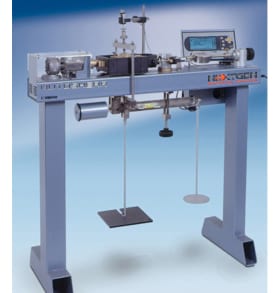
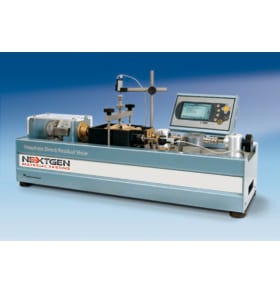
AASHTO T 236 is equipment-driven: the test is built around a direct shear (shear box) apparatus and a loading system capable of applying and maintaining normal load while shearing at a controlled, slow displacement rate.
Common equipment: Direct shear machine/shear box (single or double shear), normal loading system, horizontal drive system, load measurement (load cell or proving ring), displacement measurement (dial gauges or LVDTs), and a data acquisition/readout system appropriate for low-rate drained testing.
Practical quoting note: Equipment selection is usually driven by specimen size and expected strength range, required control/measurement resolution at slow shear rates, and whether your procedure needs submerged/drained configuration and long-duration consolidation capability. If you are equipping a lab for T 236 work, you can request a detailed quote based on your target specimen size, load range, and reporting requirements.
How to Read This Designation or Revision
AASHTO test methods are commonly cited as “AASHTO T 236” followed by an edition year (for example, T 236-22). Project specifications may also reference earlier editions, and equipment setup/reporting expectations can vary by edition.
Revision sensitivity: Always match the exact cited edition in your contract documents (including any agency modifications) before finalizing fixtures, control approach, and reporting templates.
Related Standards, Methods, or Frameworks
AASHTO T 236 is closely associated with ASTM methods for direct shear under consolidated drained conditions, and specifications may allow either designation depending on the owner/agency.
Common related reference: ASTM D3080 (direct shear test of soils under consolidated drained conditions).
Get Help Selecting a T 236 Test System
If you need help matching a direct shear configuration to the exact AASHTO T 236 edition in your project documents—especially around specimen size, load capacity, and low-rate displacement control—talk with our team about your application.