GenVeslic – Leather and Surface Abrasion Tester

Textile Testing Equipment
Standards
- AS/NZS 2210.2 Section 7.3
- DIN 4843
- EN ISO 20344 Section 7.3
- GB/T 20991 Section 7.3
- GB/T 40920
- GE-29
- ISO 11640
- ISO 17700 Method A
- ISO 20868
- QB/T 2537
- SATRA PM 173


Description
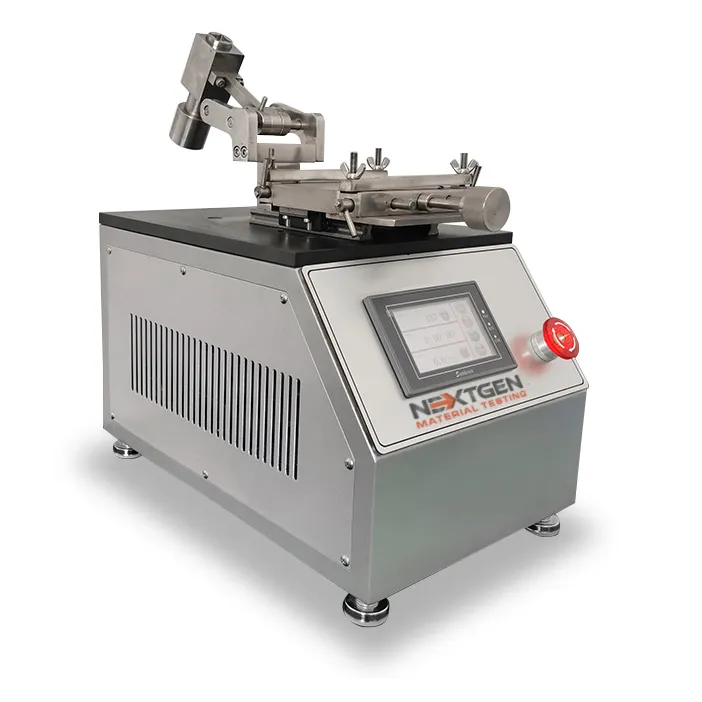
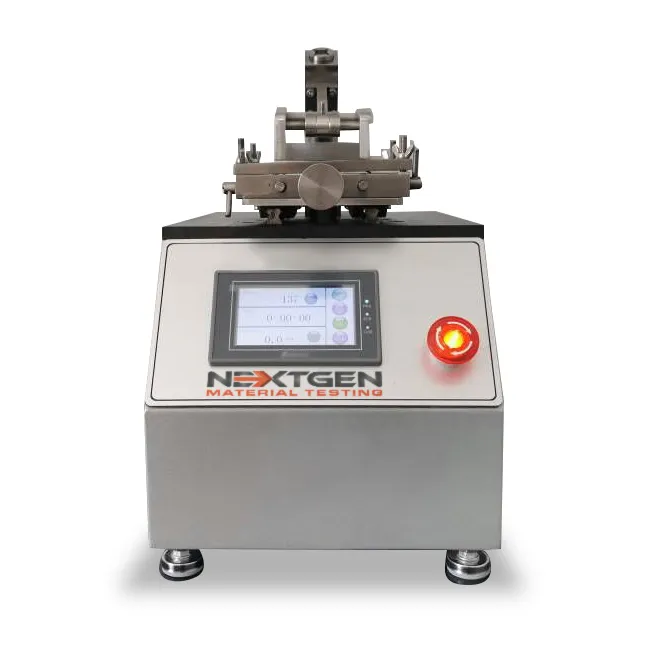
GenVeslic is a reciprocating abrasion tester designed to evaluate color fastness and surface durability on leather, textiles, plastic-coated materials, and other dyed surfaces under controlled rubbing conditions. It uses a wool felt abrasion head, defined pressure, and a fixed reciprocating stroke to assess color change, fading, and staining transfer during both dry and wet abrasion testing. For footwear, leather goods, coated materials, and quality control laboratories, it provides a practical way to compare material performance, verify finishing quality, and support standards-based abrasion and rubbing fastness programs. It provides laboratories with a controlled and repeatable method for assessing surface durability, finish performance, and color transfer across leather, footwear, and other coated materials.
Main Features
GenVeslic is built for labs that need controlled abrasion testing, consistent specimen handling, and reliable evaluation of surface finish performance across leather and related materials.
- Dry and Wet Abrasion Testing: Designed for both dry abrasion and wet abrasion evaluation on dyed and finished surfaces.
- Color Fastness and Surface Wear Assessment: Helps measure color change, fading, and staining transfer after controlled rubbing cycles.
- Wool Felt Abrasion Head: Uses white wool felt under defined pressure to create a repeatable abrasion action against the sample surface.
- Touchscreen Control: Allows operators to set and record test counts and manage start-stop functions through a clear front control interface for routine laboratory use.
- Adjustable Sample Fixture Spacing: The sample extension fixture allows adjustment of the distance between the front and rear fixtures to support proper specimen setup.
- Multiple Station Configurations: Available in 1-position, 2-position, and 4-position versions to match lab throughput and testing volume.
- Controlled Movement Parameters: Uses a defined rubbing stroke and movement speed to improve repeatability from test to test.
- Application-Focused Leather and Footwear Testing: The supported standards and test setup make it especially relevant for leather, footwear, and coated material testing programs.
Applications
GenVeslic is intended for laboratories and manufacturers that need to evaluate how dyed and finished surfaces respond to repeated rubbing under controlled conditions. It is particularly useful where color transfer, finish wear, and visible surface degradation are critical product-quality concerns. It is especially useful where color transfer, finish wear, and visible surface degradation must be evaluated under repeatable laboratory conditions.
- Leather Testing: Color fastness and abrasion testing for leather used in footwear, accessories, and finished goods.
- Footwear Materials: Surface durability evaluation for leather and coated components used in shoe uppers and related constructions.
- Textiles and Coated Materials: Suitable for dyed textiles, coated surfaces, and plastic-based materials where rubbing performance matters.
- Quality Control Programs: Useful for incoming inspection, lot comparison, finishing validation, and release testing.
- Product Development and Material Benchmarking: Helps compare coatings, dyes, finish systems, and material constructions under repeatable abrasion conditions.
Who This System Is For
GenVeslic is well suited for organizations that need dependable abrasion and rubbing fastness data as part of a structured leather, footwear, or coated-material testing workflow.
- Footwear manufacturers
- Leather goods manufacturers
- Leather and footwear quality laboratories
- Materials engineering and product development teams
- Third-party testing laboratories
- Brands and sourcing teams reviewing finish durability and color transfer performance
Technical Specifications
For labs comparing abrasion testers or planning installation, the specifications below summarize the available station configurations and the key operating parameters used in routine testing.
| Parameter | Value |
|---|---|
| Model Options | GenVeslic 1 / GenVeslic 2 / GenVeslic 4 |
| Working Positions | 1 / 2 / 4 |
| Testing Head Area | 15 mm x 15 mm |
| Movement Speed | 40 +/- 2 cycles/min |
| Rubbing Stroke | 35 to 40 mm |
| Rubbing Finger Mass | 500 g |
| Additional Weight Mass | 500 g |
| Fixture Distance | 80 mm |
| Sample Size | 4.7 × 0.8″ (120 x 20 mm) |
| Tension Extension Range of Sample | 0 to 20% |
| Power Supply | 1-phase AC 220 V, 50/60 Hz |
Standards
GenVeslic supports recognized abrasion and color fastness methods used in leather, footwear, and related surface-durability testing programs. The primary supported standards include:
- DIN 4843
- ISO 11640
- SATRA PM 173
- AS/NZS 2210.2 Section 7.3
- QB/T 2537
- GB/T 20991 Section 7.3
- ISO 20868
- GB/T 40920
- EN ISO 20344 Section 7.3
- ISO 17700 Method A
- GE-29
Standard Accessories
GenVeslic is supplied with the core accessories required for routine setup and abrasion testing.
- 500 g Weights: 1 pc per position
- Power Line: 1 pc
Optional Accessories
Optional accessories are available for labs that need consumables, sample preparation support, or visual assessment tools for test evaluation.
- Standard Wool Pads
- Pneumatic Sample Cutting Machine: Cutter size 4.7 × 0.8″ (120 x 20 mm)
- Gray Scale for Color Change
- Gray Scale for Staining
Need a Better Way to Evaluate Leather and Surface Abrasion Performance?
If your lab is testing leather finishes, coated materials, or footwear components for rubbing fastness and visible surface wear, GenVeslic can help standardize that process. Share your sample type, target standards, throughput requirements, and dry or wet test needs with NextGen Material Testing, and our team will help you review the best configuration and prepare a quote for your application.
For Laboratories
Need Additional Quality Control Equipment to Build Your Laboratory?
Footwear and leather testing is only one part of a complete quality control laboratory. NextGen can help you equip your entire lab with color fastness testers, abrasion testers, bursting strength testers, tearing testers, flexing testers, and other supporting solutions, all coordinated as one complete project.
- One partner to equip your complete laboratory
- Installation, training, calibration
- Support for the life of the equipment
FAQs
We back this leather surface abrasion tester with practical post-purchase warranty support focused on keeping your lab running with minimal downtime. Coverage typically includes protection against manufacturing defects, along with access to technical assistance for setup, operation, and troubleshooting during the warranty period.
Our support approach is hands-on and application-focused. If you run into issues with abrasion testing, color transfer evaluation, or repeatability, our team can help diagnose and resolve them quickly. That includes guidance on correct test setup, consumable use, and maintaining consistent rubbing conditions for reliable results.
Ongoing support often extends beyond basic warranty coverage, including:
- remote technical assistance for setup and operation questions
- help with calibration practices and maintaining test consistency
- access to replacement parts and consumables
- service coordination if on-site support is required
If your workflow also includes flex durability testing, systems like GenBally Flex can be supported within the same general service approach. To align warranty coverage and service options with your lab requirements, learn more about this tester or request a quote with your location and usage details.
For bench space and routine setup, plan around a clean, stable area for controlled rubbing tests, sample staging, and day-to-day specimen handling. This tester is meant for leather and surface abrasion work, so the setup should keep the abrasion head, weights, power connection, and sample prep area close enough for efficient changeover without crowding the bench.
If your lab runs both dry and wet abrasion, it helps to separate the test area from any conditioning or wet handling steps so technicians can keep specimens organized and avoid cross-contamination. Routine setup is usually easiest when the bench supports consistent sample placement, easy access to the 500 g weights, and a simple workflow for switching between materials, finishes, and method requirements.
The main planning factors are specimen size, daily throughput, and whether you are aligning to a specific method or internal QC routine. For leather, footwear, and coated materials, a repeatable bench layout matters just as much as the instrument itself, since it supports consistent color transfer and finish-wear evaluation.
Need to confirm the right setup for your lab workflow? Review GenVeslic – Leather & Surface Abrasion Tester and request a quote for a configuration matched to your samples, standards, and daily testing volume.
Yes, operator training is available to support setup, method familiarization, and day-to-day use of this leather surface abrasion tester. We work directly with your team to ensure the system is installed correctly, test parameters are understood, and operators can run consistent abrasion and color fastness tests with confidence.
Training typically covers the full workflow, including proper specimen preparation, dry and wet abrasion procedures, parameter setup, and result interpretation. This helps reduce variability between operators and ensures alignment with commonly used footwear and leather testing methods.
For teams with multiple users or shift-based operation, we can tailor the training approach to match your lab environment. This may include hands-on sessions during commissioning, refresher guidance, and practical tips for maintaining repeatability in routine quality control or R&D testing.
To align this with your testing method, you can learn more about the system or request a quote to discuss training options for your team and application.
Wool pads and other wear components should be replaced based on their condition and test consistency rather than a fixed schedule. In leather surface abrasion testing, these consumables gradually lose their texture and uniformity, which can directly affect rubbing behavior and color transfer results. Once you see visible wear, contamination, or inconsistent test outcomes, it’s time to replace them.
Replacement frequency typically depends on your testing intensity and materials. Labs running high volumes or testing rough or heavily finished leathers will see faster wear than those handling smoother or lighter-duty samples. Pay close attention to:
- Loss of pad surface uniformity or compression
- Contamination from dyes or finishes transferring between tests
- Changes in friction behavior or unexpected result variation
As a general best practice, many labs track usage cycles and replace pads proactively to maintain repeatability, especially for standards-driven testing and QC comparisons.
To keep your abrasion testing consistent, it’s a good idea to align your replacement intervals with your specific materials and test methods. You can learn more or request a quote for the right consumables and setup guidance.
This tester is available in 1-position, 2-position, and 4-position configurations. For lower-throughput work or single-sample checks, the 1-position setup is the simplest fit. The 2-position version suits routine lab testing, while the 4-position configuration is the better choice when you want to run more samples in parallel and shorten turnaround time.
The best match depends on how many leather or coated-material samples you plan to test in a day, whether you need side-by-side comparisons, and how much bench space you want to dedicate to the abrasion station. The configuration should be chosen around station count, workflow, and daily sample volume.
For a quick configuration check, learn more or request a quote with your sample type, test method, and daily throughput target.
This tester evaluates rubbing fastness by pressing the sample against a white wool felt head and running it through a fixed reciprocating stroke under defined pressure. That controlled rubbing is used to judge color change, fading, staining transfer, and visible surface wear on leather, coated materials, textiles, and other dyed surfaces.
It is built for both dry and wet abrasion checks, so labs can compare finish durability under different rubbing conditions. The repeatable stroke, touchscreen control, and adjustable sample fixture spacing help keep results consistent across incoming inspection, lot comparison, and finish validation work. The platform also supports recognized methods such as ISO 11640, SATRA PM 173, and EN ISO 20344 Section 7.3.
Need to confirm the right setup for your leather or coated surface program? learn more about this tester, or request a quote to match the station count, fixtures, and method requirements to your workflow.
This tester is a good fit for laboratories working to ISO, EN ISO, SATRA, and DIN abrasion and color fastness methods. Supported standards include ISO 11640, EN ISO 20344 Section 7.3, SATRA PM 173, and DIN 4843, so it is well suited to standards-based leather and footwear rubbing fastness work.
That makes it useful for controlled dry and wet abrasion checks, finish wear comparison, and color transfer evaluation on leather, coated materials, and related surfaces. For method fit, the key points are your specimen type, the exact standard or section you need to follow, and whether your workflow calls for one-position or higher-throughput testing.
To align this with your testing method, learn more about GenVeslic or request a quote with your target standard, sample type, and dry or wet test needs.
This tester is listed for a strong set of leather, footwear, and rubbing fastness methods, including DIN 4843, ISO 11640, SATRA PM 173, AS/NZS 2210.2 Section 7.3, QB/T 2537, GB/T 20991 Section 7.3, ISO 20868, GB/T 40920, EN ISO 20344 Section 7.3, ISO 17700 Method A, and GE-29.
That makes it a practical fit for color transfer, finish wear, and surface durability work on leather, coated materials, and related footwear components. For lab use, the exact method setup usually depends on the specimen type, the dry or wet test condition, and the reporting format your QC or compliance team needs.
To align this with your testing program, confirm the standard, sample construction, and whether you need dry or wet rubbing. You can learn more or request a quote for the configuration that matches your method.
This tester is designed for leather, dyed textiles, plastic-coated materials, and other finished surfaces that need controlled rubbing evaluation. It is a strong fit for footwear and leather goods parts, coated components, and similar surfaces where color transfer, fading, staining, or visible wear needs to be checked under dry or wet abrasion conditions.
In practical lab use, that usually includes finished leather, shoe upper materials, coated fabrics, and comparable dyed or treated surfaces used in product development, incoming inspection, and release testing. The exact setup depends on the sample construction, surface finish, and the test method you are following.
For a quick way to match your material to the right setup, review the GenVeslic product page and request a quote. If you share your sample type and whether you need dry or wet rubbing, the configuration can be narrowed down quickly.
GenVeslic is focused on surface abrasion and color fastness under controlled rubbing, while flexing testers evaluate structural durability under repeated bending. In footwear and leather testing, these methods are complementary rather than interchangeable because they target different failure modes.
This tester is used to measure how leather finishes, coatings, and dyed surfaces hold up to dry or wet abrasion, including color transfer and finish wear. Flexing systems are used when the goal is to evaluate cracking, crease failure, or long-term mechanical fatigue under repeated bending.
- GenBally Flex evaluates cracking and failure in uppers under repeated flexing
- GenFlex Sole tests complete shoes for sole and upper durability during bending cycles
Used together, abrasion and flexing tests give a more complete view of how materials and finished footwear perform in service. If you're comparing abrasion versus flexing methods for your products, learn more about this tester or request a quote to match the right combination of tests to your materials, construction, and performance targets.
This tester is built for both dry and wet abrasion testing on dyed and finished leather, textiles, plastic-coated materials, and other surfaces that need controlled rubbing evaluation. It is set up to assess color change, fading, and staining transfer under repeatable conditions.
In practice, that makes it a strong fit for leather and footwear QC, finish validation, and product comparison when you want one platform to cover both dry and wet rubbing methods. The controlled stroke, defined pressure, and wool felt abrasion head are there to support consistent results from test to test.
Need to confirm the best setup for your material or method? learn more or request a quote so the configuration can be matched to your sample type and workflow.
This fixture setup can accommodate controlled sample tension during testing within the listed configuration. It supports a sample tension extension range of 0 to 20%, along with adjustable spacing between the front and rear fixtures and an 80 mm fixture distance for setup consistency.
For leather, footwear materials, coated surfaces, and other dyed finishes, that kind of controlled extension helps keep specimen placement repeatable during rubbing fastness and surface durability checks. It is a practical fit when you want tension, spacing, and test loading to stay consistent from sample to sample.
To align this with your testing method, learn more or request a quote if you want help matching the fixture arrangement to your sample geometry and standard.
This tester uses a 35 to 40 mm rubbing stroke at 40 ± 2 cycles per minute. The rubbing finger mass is 500 g, and the machine also lists an additional 500 g weight for setups that require it.
That makes the test setup suitable for repeatable leather surface abrasion and rubbing fastness checks, where consistent motion and load are important for comparing finish wear, color transfer, and staining performance across samples.
Need to confirm the right setup for your standard or sample type? learn more or request a quote for a configuration matched to your method.
This tester is specified for 1-phase AC 220 V at 50/60 Hz. For a North American lab, the key install check is whether your bench location already has a suitable 220 V single-phase supply available.
It also ships with a power line, so setup is straightforward once the site power is in place. If your lab is planning a new installation, the main factors are the local outlet type, available voltage, and whether the unit will be dedicated to one test station or moved between areas.
Need to confirm the right setup for your lab power and workflow? learn more about this tester, or request a quote and share your site power details for a quick configuration review.
The touchscreen control gives operators a simple front-panel way to enter the target test count, start the run, and record that count during routine abrasion testing. That keeps the cycle setup clear at the instrument, which helps reduce manual note-taking and makes day-to-day lab work more consistent.
For leather, footwear, and coated-material testing, that kind of control is useful when you are running repeat checks, comparing finish wear, or following a defined rubbing method. It supports a cleaner workflow for technicians who need to keep specimen setup, run control, and cycle tracking organized.
To align this with your test method and lab throughput, review the GenVeslic – Leather & Surface Abrasion Tester page and request a quote. If you are comparing flex durability options as well, GenBally Flex is a useful related option.
For sample preparation and visual rating, this tester can be paired with standard wool pads, a pneumatic sample cutting machine with a 120 x 20 mm cutter size, and gray scales for color change and staining. These options help keep specimen prep consistent and make finish comparison easier in leather and footwear abrasion work.
In practice, the cutting machine supports cleaner, more repeatable sample prep, while the wool pads and gray scales are used when labs need a more controlled way to judge rubbing performance, color transfer, and visible wear. That makes the setup more practical for QC checks, lot comparison, and product development screening.
When you're matching the accessory set to your test method, it helps to confirm the sample type, rating approach, and throughput needs. learn more about this tester, or request a quote with your application details so the right configuration can be reviewed.
For this tester, the standard specimen size is 120 x 20 mm. That format is used for the abrasion setup, and the fixture spacing can be adjusted to support proper specimen placement.
If your lab prepares samples in-house, an optional pneumatic sample cutting machine is also available in the same 120 x 20 mm size. That helps keep leather, coated materials, and other dyed surfaces consistent from one test piece to the next.
To confirm the right setup for your workflow, learn more or request a quote for help matching specimen prep and configuration to your test method.
Safe and consistent abrasion testing depends on controlled specimen handling, proper machine setup, and minimizing operator interaction during motion. When running leather surface abrasion tests, the key is to secure specimens correctly, keep hands clear of moving parts, and follow a repeatable loading and unloading routine to avoid both injury and test variability.
For day-to-day operation, a few core practices make a significant difference:
- Ensure specimens are clamped flat and firmly before starting the test to prevent slippage or sudden movement
- Keep fingers, loose clothing, and tools away from the rubbing head and moving mechanisms during operation
- Start and stop the test using the controls only, never by manually interfering with moving components
- Use appropriate PPE such as gloves or eye protection when handling worn specimens or abrasive media
- Clean debris, dye transfer, or residue between tests to avoid contamination and maintain consistent results
Operator handling also affects data quality. Consistent specimen preparation, correct placement of abrasive media, and controlled environmental conditions help reduce variability between runs, especially for color transfer and finish wear evaluations.
To align this with your testing workflow, you can review the GenVeslic – Leather & Surface Abrasion Tester or request a quote to confirm the right setup, fixtures, and safety practices for your materials and lab environment.
Consistent abrasion test results depend on keeping the tester’s mechanical motion, contact pressure, and rubbing interface stable over time. In routine use, this means verifying that the drive system runs smoothly, the specimen holder and rubbing head remain properly aligned, and the applied load and stroke conditions stay repeatable from test to test.
For day-to-day maintenance, focus on wear items and cleanliness. Abradants, felt pads, or rubbing cloths should be replaced at defined intervals, and all contact surfaces should be kept free of debris or finish buildup that can affect friction. Regular inspection of clamps and fixtures helps ensure the specimen is held flat and does not shift during testing.
Calibration checks should confirm that key test parameters remain within tolerance. This typically includes:
- Verifying applied load or contact force using calibrated weights or force checks
- Confirming stroke length and motion consistency
- Checking cycle counts or timing accuracy
- Validating alignment between the rubbing head and specimen surface
It is also good practice to run control samples or reference materials periodically to confirm repeatability, especially when switching between dry and wet abrasion methods or different material finishes.
To align this with your testing method, you can review the GenVeslic – Leather & Surface Abrasion Tester and request a quote for calibration support, spare parts, or a maintenance plan tailored to your lab workflow.
The standard package includes the core items needed to get this tester running for routine abrasion work: 500 g weights, one per position, plus a power line.
That base set covers the essentials for setup and daily use. Optional items such as standard wool pads, a pneumatic sample cutting machine, and gray scales for color change and staining can be added when your leather or footwear testing program needs specimen prep or visual rating support.
Need to confirm the right setup for your leather or surface abrasion workflow? learn more about this tester or request a quote to match the configuration to your samples and method requirements.
Yes. We support long-term operation of this leather surface abrasion tester with a consistent supply of spare parts and routine consumables used in abrasion and color fastness testing.
For leather abrasion and rubbing tests, certain items naturally wear over time and are designed to be replaced to maintain repeatable results. These typically include rubbing media, pads, test cloths, and other contact components that are part of the test method. Keeping these items fresh is important for maintaining consistent pressure, friction, and color transfer evaluation across batches.
We also provide replacement mechanical and wear components as needed, along with guidance on maintenance intervals based on your testing frequency and whether you run dry or wet abrasion cycles.
To ensure uninterrupted testing and the right consumables for your methods, you can learn more or request a quote with your specific test setup and standards.
Yes, this tester can be paired with a 120 x 20 mm pneumatic sample cutting machine as an optional accessory for specimen preparation. It is a practical add-on when you want cleaner, more consistent sample prep before leather and surface abrasion testing.
The best setup depends on the material type, specimen geometry, and how you plan to standardize cutting in your lab. For leather, coated materials, and similar finishes, labs often choose the cutter to improve repeatability and reduce variation between operators.
Need to confirm the right specimen-prep setup for your workflow? learn more about this system, or request a quote with your material type, sample size, and test method details.
This tester is designed to run directly through its integrated touchscreen control interface, so routine abrasion testing, parameter setup, and result monitoring are handled onboard without the need for separate external software.
The touchscreen provides the core control functions needed for leather surface abrasion and color fastness workflows, including test configuration, cycle control, and result observation. That helps keep operation straightforward for standardized methods and repeat QC checks.
Software needs can still vary depending on how you plan to manage data and reporting. Typical considerations include:
- whether you require digital data export or centralized lab reporting
- integration with LIMS or internal quality systems
- traceability and record-keeping requirements for audits
- multi-user access or network connectivity preferences
To align the system with your data handling and reporting workflow, learn more about this tester or request a quote with your specific requirements.
The movement is set up for consistent test-to-test behavior. This tester uses a fixed reciprocating stroke and controlled rubbing speed, so the rubbing action stays uniform across runs. The listed operating values are 40 +/- 2 cycles/min with a 35 to 40 mm stroke, which supports steady comparison work in leather, footwear, and coated-surface testing.
Repeatability also depends on keeping specimen mounting, fixture spacing, and applied weights consistent. For routine QC, incoming inspection, or finish comparison, that controlled motion helps reduce operator-to-operator variation and makes result trends easier to compare.
Need to confirm the right setup for your samples? learn more about the tester or request a quote if you want help matching the configuration to your test method.
The wool felt abrasion head improves repeatability by giving each test a consistent rubbing surface, contact pressure, and wear action. On this tester, the felt head works with a defined stroke and movement speed, so leather, footwear, and coated materials can be compared more consistently for color transfer and surface wear.
Repeatability still depends on keeping the setup controlled. Specimen preparation, fixture spacing, sample size, and whether you are running a dry or wet abrasion cycle all influence how closely results line up from one test to the next. Using the same head condition and load setup helps reduce operator-to-operator variation.
To align this with your method requirements, review the GenVeslic – Leather & Surface Abrasion Tester details and request a quote. If you share your material type, dry or wet test need, and target standard, the right configuration can be narrowed down quickly.
This tester lets operators assess color change, fading, staining transfer, and overall surface wear after controlled dry or wet rubbing. It is also used to judge how well dyed and finished leather, textiles, plastic-coated materials, and similar surfaces hold up under repeated abrasion.
That makes it useful for comparing finish quality, checking surface durability, and supporting incoming inspection, lot comparison, finishing validation, and release testing across leather and footwear materials.
To align the setup with your sample type and rubbing method, learn more about GenVeslic or request a quote. If you share the material family and test goal, we can help narrow the best configuration for your workflow.
A Veslic abrasion tester is focused on surface wear, color fastness, and finish durability under controlled rubbing. If your goal shifts from surface abrasion to flex durability or structural performance under repeated bending, a Bally flex tester or whole footwear flexing tester becomes the better fit.
A Bally flex tester is used when you need to evaluate how leather or upper materials behave under repeated flexing. This is especially relevant for detecting cracking, coating failure, or finish breakdown caused by bending rather than rubbing. It is commonly used during material qualification, upper development, and durability comparisons.
A whole footwear flexing tester is the right choice when testing finished shoes as a complete system. It helps assess real-world performance factors such as sole separation, upper-to-sole bonding, and overall structural fatigue during repeated walking motion.
The selection comes down to the failure mode you are targeting:
- Surface wear, color transfer, and finish abrasion: Veslic abrasion testing
- Material cracking and flex fatigue in uppers: Bally flex testing
- End-use durability of complete footwear: whole footwear flex testing
If you're comparing these methods for your application, you can review options like GenBally Flex or GenFlex Sole. For guidance on aligning the right test method with your materials or product stage, you can also request a quote and share your setup details.
Yes, we support the full lifecycle of this leather abrasion tester, including installation assistance, technical support, and troubleshooting. Whether you are setting up a new system or optimizing an existing workflow, we work directly with your team to ensure the tester is configured and running correctly for your specific applications.
Installation support typically covers proper setup, calibration alignment, and verification against your intended test methods such as dry and wet abrasion or color transfer testing. For labs with specific workflows, we can help tailor the setup to match your materials, specimen preparation, and internal quality procedures.
Ongoing technical support includes guidance on operation, maintenance, and resolving performance issues. This may involve:
- Step-by-step troubleshooting for inconsistent abrasion or color fastness results
- Recommendations for consumables and proper specimen handling
- Calibration checks and preventive maintenance practices
- Application support for standards-based testing methods
If you are running complementary durability tests, we can also help align methods across systems like the GenBally Flex for flex resistance or the GenFlex Sole for whole-footwear testing.
For help with setup, troubleshooting, or ongoing support, you can learn more about this system or request a quote to connect with our technical team.
Related Products
GenBally Flex – Resistance Flexing Tester
GenBally Flex is a multi-station resistance flexing tester for evaluating leather, coated fabrics, textiles, and footwear upper materials under repeated bending. Available with 6, 12, or 24 stations, it uses controlled clamping, a 22.5° flexing angle, 100 cycles per minute speed, touchscreen control, and adjustable cycle counting to assess cracking, crease failure, and flex-related durability under recognized SATRA, ISO, EN, and ASTM methods.
Read more
GenFlex Sole – Whole Footwear Flexing Tester
GenFlex Sole is a whole footwear flexing tester for assessing finished shoes under repeated bending conditions. It helps laboratories identify cracking, sole separation, and visible damage during cyclic flexing, rather than testing only individual materials. Adjustable 0° to 90° bending, touchscreen control, two- or four-sample configurations, high cycle counting, and SATRA TM92 and ISO 24266 support repeatable footwear durability evaluation.
Read more