GenTear Pro – Elmendorf Tearing Tester

Textile Testing Equipment
Standards
JIS K 7128-2, GB/T 11999, UNI 6444, TAPPI T414, SCAN P11, JIS P 8116, GB/T 455, NF G07-149, APPITA P 400, BS 4468, CSA D9, ASTM D1424, EN 21974, DIN 53128, ISO 1974, ISO 6383-2, ASTM D689, ASTM D5734, GB/T 3917.1, M&S P29, ISO 4674-2, EN ISO 13937-1, ISO 9290, DIN 53862


Description
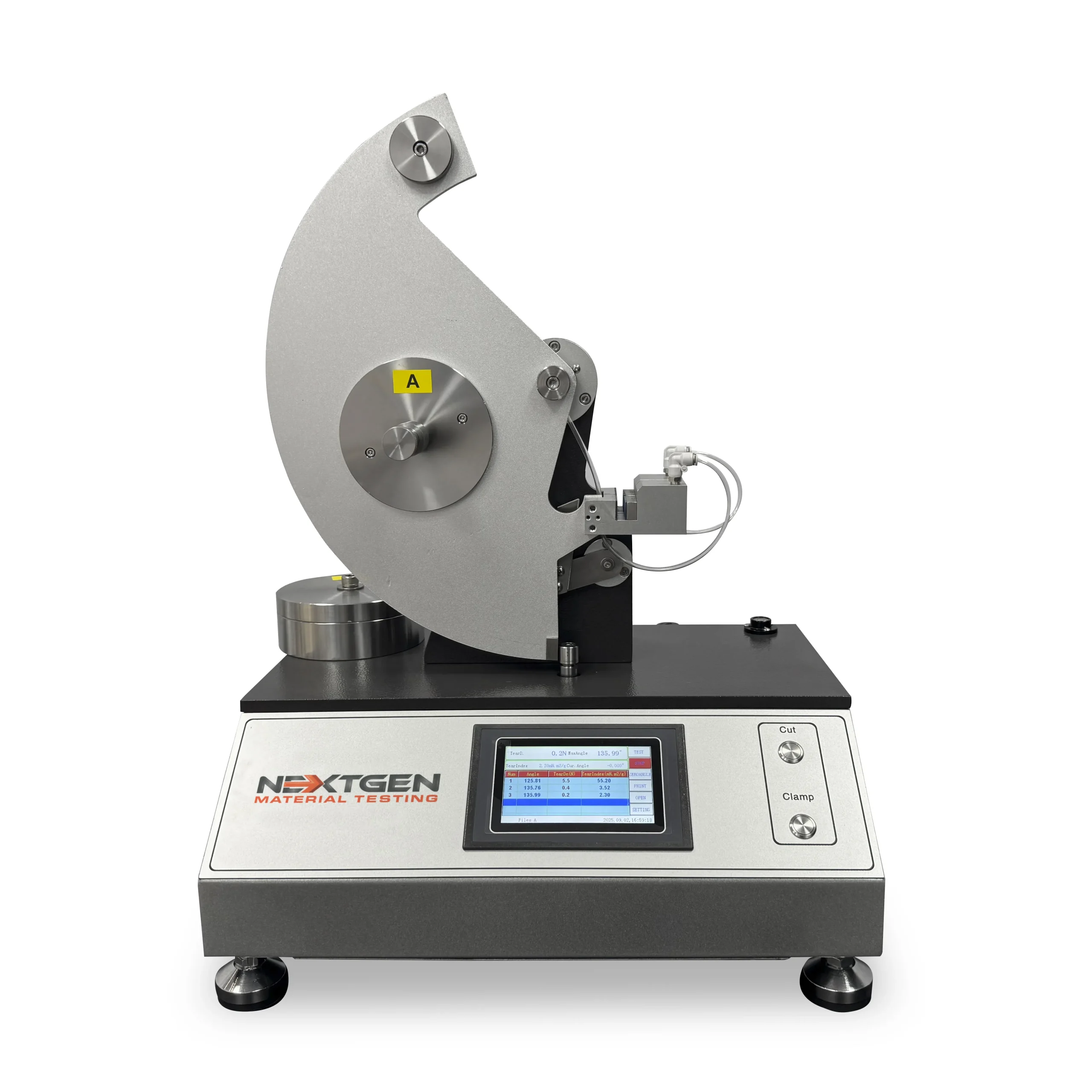
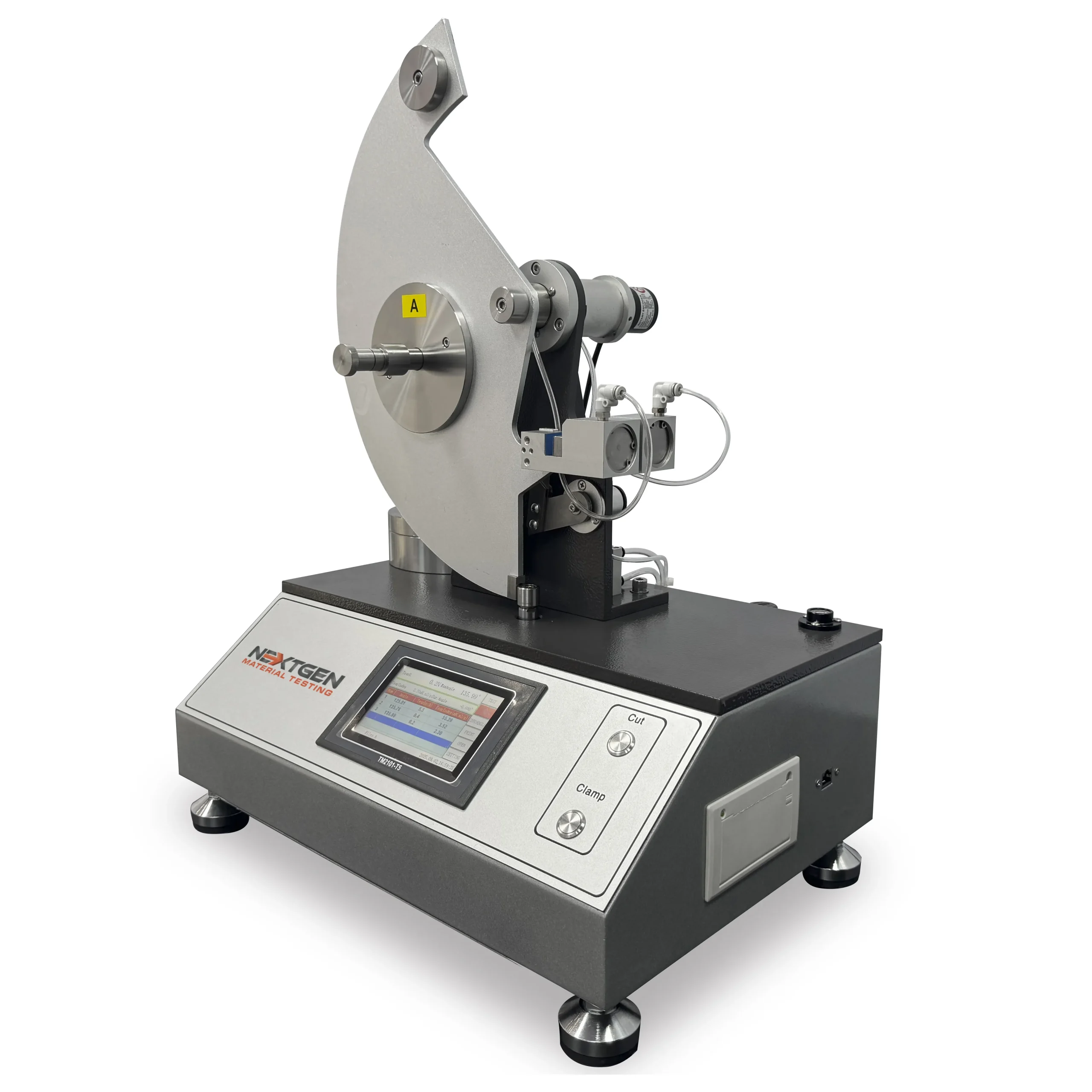
GenTear Pro is a digital Elmendorf tearing tester designed for precise tear resistance testing of textiles, nonwoven materials, paper, paperboard, and thin films. It gives laboratories a reliable way to evaluate tear propagation in flexible sheet materials for quality control, product development, and standards-based testing. With pneumatic specimen clamping, automatic sample cutting, multi-range force capability, touchscreen operation, and integrated reporting functions, GenTear Pro is built for consistent daily use in QC and R&D environments.
Main Features
GenTear Pro combines the core functions expected in a modern tear resistance tester with a workflow designed for repeatable lab results and efficient day-to-day operation.
- Multi-material testing: Suitable for tear resistance testing of textiles, nonwoven fabrics, paper, paperboard, thin films, and other flexible sheet materials.
- Multi-range force capability: Supports test ranges of 16 N, 32 N, and 64 N for broader material coverage and better application flexibility.
- Pneumatic specimen clamping: Helps improve clamping consistency and reduce variability associated with manual gripping.
- Automatic sample cutting: Improves notch consistency and reduces operator preparation time.
- Touchscreen and PC control: Simplifies setup, operation, result review, and data handling in routine laboratory work.
- Integrated reporting functions: Supports test calculation, statistical review, and printed output directly from the system.
- Multiple unit options: Supports force unit conversion between N, gf, cN, and lb to match different lab and standards requirements.
- Compact lab-ready design: Built for professional laboratory environments where reliable performance and efficient use of bench space both matter.
Applications
GenTear Pro is designed for laboratories and manufacturers that need accurate tear strength data for flexible sheet materials used in production, development, and specification control. Typical applications include:
- Textiles: Tear resistance testing for woven and related textile materials.
- Nonwovens: Performance evaluation of nonwoven fabrics in quality and development programs.
- Paper and paperboard: Tear testing for paper-based materials used in packaging, converting, and industrial applications.
- Thin films: Tear resistance evaluation for flexible films and similar sheet materials.
- Quality control and material comparison: Useful for incoming inspection, lot-to-lot comparison, product validation, and standards-driven testing.
Technical Specifications
GenTear Pro is configured for repeatable tear resistance testing in laboratories that need controlled specimen handling, reliable force measurement, and straightforward day-to-day operation. The specifications below outline the system’s core performance and installation requirements:
| Parameter | Value |
|---|---|
| Model | GenTear Pro |
| Control System | Touchscreen + PC control |
| Tearing Force Range | 16 N / 32 N / 64 N |
| Accuracy | ≤ ±1% F.S. |
| Incision Length | 20 ± 0.2 mm |
| Tear Length | 43 mm |
| Specimen Clamping Method | Pneumatic clamp |
| Output | Built-in printer |
| Power Supply | AC 220 V, 50/60 Hz, 100 W |
| Dimensions | 22.0 × 16.5 × 18.9 in. (560 × 420 × 480 mm) |
| Weight | 88.2 lb (40 kg) |
Standards
GenTear Pro is designed for standards-based tear resistance testing across multiple material categories, including textiles, paper, plastics, and nonwoven materials. The standards below reflect the primary methods supported for these applications:
| Material Category | Supported Standards |
|---|---|
| Textile | GB/T 3917.1; ASTM D1424; DIN 53862; ISO 13937-1; ISO 4674-2; ISO 9290; M&S P29; NF G07-149 |
| Paper | GB/T 455; APPITA P400; ASTM D689; BS 4468; CSA D9; DIN 53128; EN 21974; ISO 1974; JIS P8116; PAPTAC D9; SCAN P11; SNV 198482; TAPPI T414; UNI 6444 |
| Plastic | GB/T 11999; ISO 6383-2; JIS K7128-2 |
| Nonwoven | ASTM D5734 |
Standard Accessories
GenTear Pro is supplied with the core components needed for setup and routine operation.
- Pendulum B: 16 N
- Pendulum C: 32 N
- Sample Template: 1 pc
- English Operation Software: 1 set
- PC Connection Cable: 1 pc
Optional Accessories
Optional accessories are available to support different lab setups and operating preferences.
- Air Compressor
- Desktop Computer
Need Help Selecting the Right Tear Testing System?
If you are evaluating tear resistance testing equipment for textiles, paper, film, or nonwoven materials, NextGen Material Testing can help you identify the right configuration for your lab. Send us your material type, target standards, testing range, and workflow requirements, and our team will help you review the best fit, answer technical questions, and provide a quote based on your application.
FAQs
We support this bursting strength tester with long-term availability of spare parts and accessories, backed by after-sales technical support. For this system, available accessory and support items include additional test sets, replacement rubber diaphragms, and an air compressor when required for the installation.
The support plan extends beyond the initial shipment. The standard package already includes core setup and testing items, and our warranty support includes ongoing spare parts and accessory supply for the instrument, while consumables are managed separately based on normal use and replacement cycles.
To match the right spare parts and accessories to your lab setup, learn more, contact technical support, or request a quote.
This tester fits at the tear resistance stage of a fabric strength testing workflow, after specimens are conditioned and prepared, and before lot release, material comparison, or development decisions. We use it when the goal is to measure tear propagation in woven fabrics and other flexible sheet materials, not just peak tensile load. For QC and R&D work, pneumatic clamping, automatic sample cutting, and touchscreen plus PC control support faster setup and more consistent day-to-day results.
It also works well in labs that test more than textiles. This system is designed for nonwovens, paper, paperboard, and thin films, with multiple force ranges and integrated reporting for routine comparison and documentation. If your fabric strength workflow also needs multidirectional rupture data, the GenBurst Pro is the complementary route for bursting strength evaluation.
To align this with your testing method, learn more about the system or request a quote. If you share your fabric type, specimen format, and workflow goals, we can help match the right tear testing setup.
This tester is intended for tear resistance testing on flexible sheet materials, including woven and related textiles, nonwovens, paper, paperboard, and thin films. It is well suited for quality control, product development, incoming inspection, and material comparison where tear propagation needs to be measured consistently.
The best fit is usually driven by specimen form and test method. If your sample is a flexible sheet and your procedure falls under textile, paper, nonwoven, or film tear testing, this system is a strong match. If you also need burst testing on fabrics or paper-based materials, you may want to compare it with GenBurst Pro.
Looking to validate this against your material and method? learn more or request a quote, and we can help match the setup to your specimen type and testing standard.
This Elmendorf tearing tester supports three tearing force ranges: 16 N, 32 N, and 64 N. That gives you coverage for a wide span of tear resistance work across textiles, nonwovens, paper, paperboard, and thin films.
For tear resistance testing, the right range is usually selected around your material type and expected tear level so the pendulum setup matches the application. This system also supports force unit conversion in N, gf, cN, and lb, which can simplify reporting when your lab or customer specifications use different units.
If you're evaluating which range best fits your samples, learn more or request a quote. If you share your material and target method, we can help narrow the right configuration for your workflow.
This tester is designed to handle tear resistance testing across textiles, nonwovens, paper, paperboard, and thin films on a single platform. That makes it a strong fit for labs that work with multiple material types and want one Elmendorf tearing tester for routine QC, development work, and material comparison.
When you switch between fabric, paper, and film testing, the main setup considerations are the method you need to run, how the specimen is prepared, and which tear-force range best fits the material. We offer pneumatic clamping, automatic sample cutting, and multiple force ranges of 16 N, 32 N, and 64 N to support more consistent handling across different applications.
If you’re selecting one system for several material categories, learn more or request a quote. Share your materials and target method, and we’ll help match the right setup for your lab.
Specimen dimensions for Elmendorf tear testing are defined by the test method you are running and the material category being evaluated. This tester is set up around the key tear geometry used in the method, including a 20 ± 0.2 mm incision length and a 43 mm tear length. The full specimen format should then follow the applicable standard for textiles, nonwovens, paper, paperboard, or thin films.
For tear test method work, that means there is not one universal specimen size across every application. The required blank size and notch orientation are driven mainly by the standard selected, the material type, and the direction being tested, such as machine direction or cross direction. Keeping those dimensions aligned with the method is what makes tear strength data comparable from lot to lot.
To align this with your testing method, learn more or request a quote. If you share your material type and target standard, we can help confirm the right specimen format for your setup.
In an Elmendorf tear test, the 20 mm incision length sets the starter cut, and the 43 mm tear length defines the tear path the pendulum measures. That means your test setup has to keep specimen preparation, notch placement, and clamp positioning consistent from sample to sample. On this tester, those dimensions are built into a controlled setup that supports repeatable tear resistance testing across textiles, nonwovens, paper, paperboard, and thin films.
The main setup impact is method discipline. If the specimen is not cut cleanly or seated the same way each time, tear results can shift because the tear does not start or propagate uniformly. This system uses automatic sample cutting and pneumatic clamping to help standardize that part of the workflow and reduce operator-driven variation in daily QC and R&D testing.
To align this with your testing method, learn more about the GenTear Pro or request a quote. If you share your material type and test standard, we can help confirm the right setup for your samples.
This tester uses pneumatic specimen clamping, which helps keep specimen holding more consistent from test to test. That is a practical advantage for tear resistance testing when you want better repeatability across operators and routine QC runs.
For labs testing textiles, nonwovens, paper, paperboard, or thin films, stable clamping supports cleaner test execution and reduces variation that can come from manual gripping. This system also combines pneumatic clamping with automatic sample cutting and multiple tearing force ranges of 16 N, 32 N, and 64 N, which helps align the setup with different material types and tear strengths.
If you are matching tear resistance testing to a specific material or method, learn more or request a quote. Share your sample type and target standard, and we will help confirm the right force range and configuration for your lab.
Automatic sample cutting improves tear test repeatability by producing a more uniform starter cut from one specimen to the next. In Elmendorf tear testing, small differences in the initial cut can change how the tear starts and propagates. By automating that step, this tester reduces operator-to-operator variation and helps deliver more consistent tear resistance results in routine QC and R&D work.
It also supports better control of specimen preparation because the incision is made to the system’s set tear-test geometry, including a 20 ± 0.2 mm incision length. Paired with pneumatic specimen clamping, that helps control two major sources of test scatter at once, the initial cut and the way the sample is held before release. The result is cleaner lot comparison, better trend tracking, and fewer repeat tests caused by prep variation.
To align this with your testing method, learn more about this tester or request a quote. If you share your material and standard, we can help refine the right setup for your workflow.
The specified accuracy for this Elmendorf tearing tester is ≤ ±1% F.S., meaning within ±1% of full scale. That gives you a dependable measurement basis for tear resistance testing when you need consistent data for quality control, material comparison, and standards-based lab work.
This system supports tear force ranges of 16 N, 32 N, and 64 N, so the most suitable setup depends on the materials you are testing and the force level your method requires. Pneumatic clamping and automatic sample cutting also help support repeatable test preparation and result consistency.
If you’re matching accuracy and force range to a specific textile, paper, nonwoven, or film application, learn more or request a quote. If you share your material and test method, we can help you select the right configuration.
Operators control this tester through the touchscreen and PC interface, so routine tear resistance testing can be managed from setup through result review in a straightforward workflow. That makes it well suited to daily QC checks as well as R&D work where repeatable test execution and quick comparison of results matter.
The workflow is built around consistent specimen handling and efficient data review. Pneumatic clamping helps keep specimen holding more uniform, automatic sample cutting supports more consistent notch preparation, and the system handles unit conversion, statistical review, reporting, and printed output directly from the tester.
To align the control setup with your lab workflow, learn more or request a quote. If you share your material type and reporting needs, we can help configure the right setup for routine QC or development testing.
This tester supports both touchscreen and PC-based operation, so your team can run tear resistance testing through the on-board interface and also work through a connected computer when that better fits your lab workflow. That gives QC and R&D users a straightforward way to handle setup, test execution, result review, and routine data handling.
For PC-based operation, we include English operation software and a PC connection cable as standard. A desktop computer is also available as an option if you want a dedicated workstation for the Elmendorf tearing tester. The system also includes built-in printing, which can be useful when you need quick hard-copy reporting at the instrument.
If you're matching this to your lab setup, learn more or request a quote. If you share your reporting, software, or workstation preferences, we can help align the right configuration.
This Elmendorf tearing tester supports a wide range of tear test standards for textiles, nonwovens, paper and paperboard, plastics, and thin film applications. Supported methods include ASTM D1424, ASTM D689, ASTM D5734, DIN 53862, DIN 53128, ISO 9290, ISO 4674-2, ISO 1974, ISO 6383-2, EN ISO 13937-1, and EN 21974, along with several regional and industry-specific methods used in standards-based tear resistance testing.
Supported standards group by material type as follows:
- Textiles: ASTM D1424, DIN 53862, ISO 9290, EN ISO 13937-1, ISO 4674-2, M&S P29, GB/T 3917.1, NF G07-149
- Paper and paperboard: ASTM D689, DIN 53128, ISO 1974, EN 21974, CSA D9, BS 4468, APPITA P400, GB/T 455, JIS P8116, PAPTAC D9, SCAN P11, SNV 198482, TAPPI T414, UNI 6444
- Plastics and films: ISO 6383-2, JIS K 7128-2, GB/T 11999
- Nonwovens: ASTM D5734
That gives labs a single platform for method-driven tear testing across multiple material categories.
Looking to align this with your testing method? Learn more about GenTear Pro or request a quote, and we’ll help match the right standard, material category, and force range for your lab.
This tester is built for tear resistance testing across textiles, paper and paperboard, thin films, and nonwoven materials, so one platform can support those material groups when the method is matched to the sample type. It is intended for standards-based Elmendorf tear work across multiple flexible sheet materials, not just a single category.
The setup is driven by the standard and the material being tested. This system supports textile methods such as ASTM D1424 and ISO 9290, paper methods such as ISO 1974 and TAPPI T414, plastic film methods such as ISO 6383-2 and JIS K 7128-2, and nonwoven testing under ASTM D5734. Its 16 N, 32 N, and 64 N ranges, pneumatic clamping, and automatic sample cutting help maintain consistency as labs move between different tear testing programs.
To align this with your testing method, learn more or request a quote. If you share your material mix and target standards, we can help match the right pendulum range and setup for your lab.
CSA D9 is supported for paper tear testing on this tester. This system is built for Elmendorf tear resistance testing on paper and paperboard, and CSA D9 is included within its supported paper-method standards coverage.
For paper tear testing, the right setup usually comes down to the expected tear force, the pendulum range, and specimen preparation consistency. This tester supports 16 N, 32 N, and 64 N test ranges, uses pneumatic clamping, and offers automatic sample cutting to support repeatable standards-based paper testing workflows.
To align this with your testing method, learn more about the GenTear Pro or request a quote for the right paper tear testing configuration. If you share your paper grade and target method, we can help match the setup to your application.
This tester requires AC 220 V, 50/60 Hz power, with a rated power draw of 100 W. That gives you the electrical requirement to plan utility hookup for routine tear resistance testing in textile, paper, film, and nonwoven labs.
For installation planning, keep in mind that the system uses pneumatic clamping. An air compressor is available as an option, and a desktop computer is also optional, while the standard package includes the operation software and PC connection cable.
Need to confirm the right configuration for your setup? learn more or request a quote. If you share your site power and air supply details, we can help finalize the best setup for your lab.
Plan for a bench footprint that comfortably exceeds the tester’s physical dimensions of 22.0 × 16.5 × 18.9 in. (560 × 420 × 480 mm). This tester is built as a compact bench-top system, but the installation area should also leave room to load specimens, use the touchscreen and PC control, route the pneumatic clamp connection, and access printed output without crowding the work area.
A rigid bench is also important because the unit weighs 88.2 lb (40 kg), and the installation point should be prepared for AC 220 V, 50/60 Hz, 100 W power. Keeping extra working clearance around the frame makes daily tear resistance testing, cleaning, and routine service easier.
If you're laying out a new test station, learn more or request a quote, and we can help confirm the right installation setup for your lab.
This tester uses pneumatic specimen clamping, so the clamping function needs a compressed air source. We offer an air compressor as an optional accessory, which means you can order a dedicated unit with the system or connect the tester to an existing in-house air supply if that fits your lab setup.
The main installation choice is whether you want a self-contained setup or plan to use plant air. That decision usually depends on your utility availability, bench layout, and how portable or standardized you want the tear testing station to be for daily QC work.
Need to confirm the right air setup for your lab? learn more or request a quote, and we can help match the system to your available utilities and preferred installation layout.
This tester is supplied with the main items needed for setup and routine tear resistance testing. Standard accessories include the 16 N pendulum, the 32 N pendulum, one sample template, one set of English-language operating software, and one PC connection cable.
If you are matching the system to a specific tear resistance method or material range, the accessory package should be reviewed together with the force range you plan to use. Lab setup items such as an air compressor and desktop computer can also be added when needed for your installation and workflow.
Need to confirm the right package for your lab? learn more or request a quote, and we can help match the configuration to your material, standards, and reporting setup.
This tester is set up to cover different tear resistance applications across textiles, nonwovens, paper, paperboard, and thin films with supported force ranges of 16 N, 32 N, and 64 N. The standard package includes Pendulum B, 16 N, and Pendulum C, 32 N, which gives many labs a practical starting point for routine tear testing across multiple material types.
Range selection should match the material being tested, the expected tear strength, and the method you need to run. For labs that want to round out the setup, optional accessories include an air compressor and a desktop computer. That makes it easier to tailor the system for daily QC work, method-specific workflows, or a dedicated paper, film, or textile testing station.
If you’re evaluating different configuration options, learn more or request a quote. If you share your material type and target test method, we can help match the right pendulum range and accessories.
Test results are managed directly through the touchscreen and PC control interface. This tester lets your team review tear test data on screen, perform the required calculations, and print results from the system as part of the normal test workflow, which helps keep tear resistance testing fast and consistent in QC and lab use.
For labs using a computer-based workflow, we include English operation software and a PC connection cable as standard, and a desktop computer can be added when needed. The system also supports statistical review and force unit conversion, which is useful when reporting in different units or comparing results across methods and materials.
If you need to align reporting, printout, or PC setup with your lab workflow, learn more or request a quote. Share your material, test method, and whether you want to connect to an existing PC or add a desktop computer, and we will help configure the right setup.
This tester supports force unit selection in N, gf, cN, and lb during tear resistance testing and in the reported results. That gives your lab flexibility to match internal reporting formats, customer requirements, and method preferences without converting values outside the system.
For textile, paper, film, and nonwoven tear testing, keeping the same force units from setup through reporting helps simplify result review and reduces the chance of transcription or conversion errors. Combined with the touchscreen, PC control, and integrated reporting functions, the system is well suited for routine QC and development work where unit consistency matters.
To align this with your testing method, you can learn more about the system or request a quote for your lab setup.
Built-in reporting and statistical review functions are included with this Elmendorf tearing tester. The system is set up to handle result calculation, statistical review, and printed output directly at the instrument, which helps streamline tear resistance testing in routine QC and lab work.
The control platform combines touchscreen operation with PC-based control, so operators can review results and manage test data without adding a separate reporting workflow. For labs that need consistent documentation across textiles, paper, films, or nonwovens, that makes day-to-day result handling faster and more standardized.
To align this with your reporting workflow, learn more about the system or request a quote. If you can share your material type and documentation needs, we can help match the right setup for your lab.
Operators should treat tear testing and sample preparation as two separate pinch and cut hazards. Keep hands clear of the pendulum path, clamp area, and cutter during setup and test release. Load each specimen only when the tester is idle, confirm the sample is seated correctly, and never reach into the cutting area while the automatic sample cutting function is engaged. Follow your lab’s PPE policy for handling cut specimens and sample preparation, and avoid loose sleeves or jewelry around the instrument.
Because this system uses pneumatic specimen clamping, the air connection and clamping force should be checked before routine tear testing begins. Keep the work area clean, use only undamaged templates and specimens, and isolate power and air before cleaning, adjustment, or maintenance. Consistent operator training also matters, especially when multiple users prepare samples and switch between test ranges.
To align safe operation with your testing method, learn more or request a quote. If you share your material type and sample format, we can help confirm the right setup for your workflow.
For reliable tear resistance testing, we recommend routine performance checks during normal use and formal calibration on a scheduled service interval. Because this tester uses selectable tear force ranges, pneumatic clamping, and automatic sample cutting, result quality depends on keeping the active test range, clamping action, specimen preparation, and overall instrument operation consistent.
The right calibration frequency depends on how heavily the system is used, the materials you run, and the control requirements in your lab. If the tester is used for release testing, lot comparison, or standards-based work, the check and calibration plan should be built into your regular quality program so drift is addressed before it affects tear resistance data.
To align this with your testing method, you can learn more about the system or contact technical support. If you share your material, test standard, and usage level, we can help you set an appropriate check and calibration schedule.
Plan maintenance around the air supply and the test area. This tester uses pneumatic clamping and automatic sample cutting for repeatable daily tear testing, so the main service items are a clean, dry air source, routine checks for leaks at hoses and fittings, and regular cleaning of the clamp and cutting zones so specimen holding and notch preparation stay consistent.
If your setup includes the optional air compressor, add compressor draining and basic air-line service to the schedule. Routine operating checks should also include confirming smooth pendulum movement, inspecting the clamp faces and cutter for buildup or wear, and verifying normal touchscreen, PC connection, and printer operation before heavier testing runs.
To align the maintenance plan with your lab setup, learn more or request a quote. If you are using plant air or a dedicated compressor, we can help you define the right service routine for your workflow.
We provide post-purchase technical support for this tester, including troubleshooting, warranty service, and replacement parts support. For the GenTear Pro, we also maintain spare parts and accessories support after the sale, and our warranty coverage applies to the full instrument from delivery with a minimum 12-month warranty period.
If your team needs help after installation, we can assist with operating questions, service follow-up, and part replacement to keep tear resistance testing moving with less downtime. We also offer training and installation services through certified technicians and quality engineers, and our service team typically responds within 24 hours.
If you need service help for your setup, visit learn more or reach us through technical support so we can help with troubleshooting or the right replacement parts for your system.
This tear resistance tester is backed by a detailed warranty package with each order. Warranty coverage applies to the full instrument, starting from delivery, with a minimum 12-month warranty period. We also provide after-sales support for the system, so labs using GenTear Pro for routine textile, paper, film, or nonwoven testing have a clear service path after installation.
For long-term support, we offer lifetime service for spare parts and accessories. That support is intended to keep the tester serviceable over the long run, while consumables are handled separately. Warranty claims do not apply to issues caused by buyer modification, improper maintenance, misuse, or equipment abuse.
If you want to confirm warranty scope for your lab setup or any optional accessories, learn more or request a quote. We can help review the exact service and spare-parts path for your configuration.
Related Products
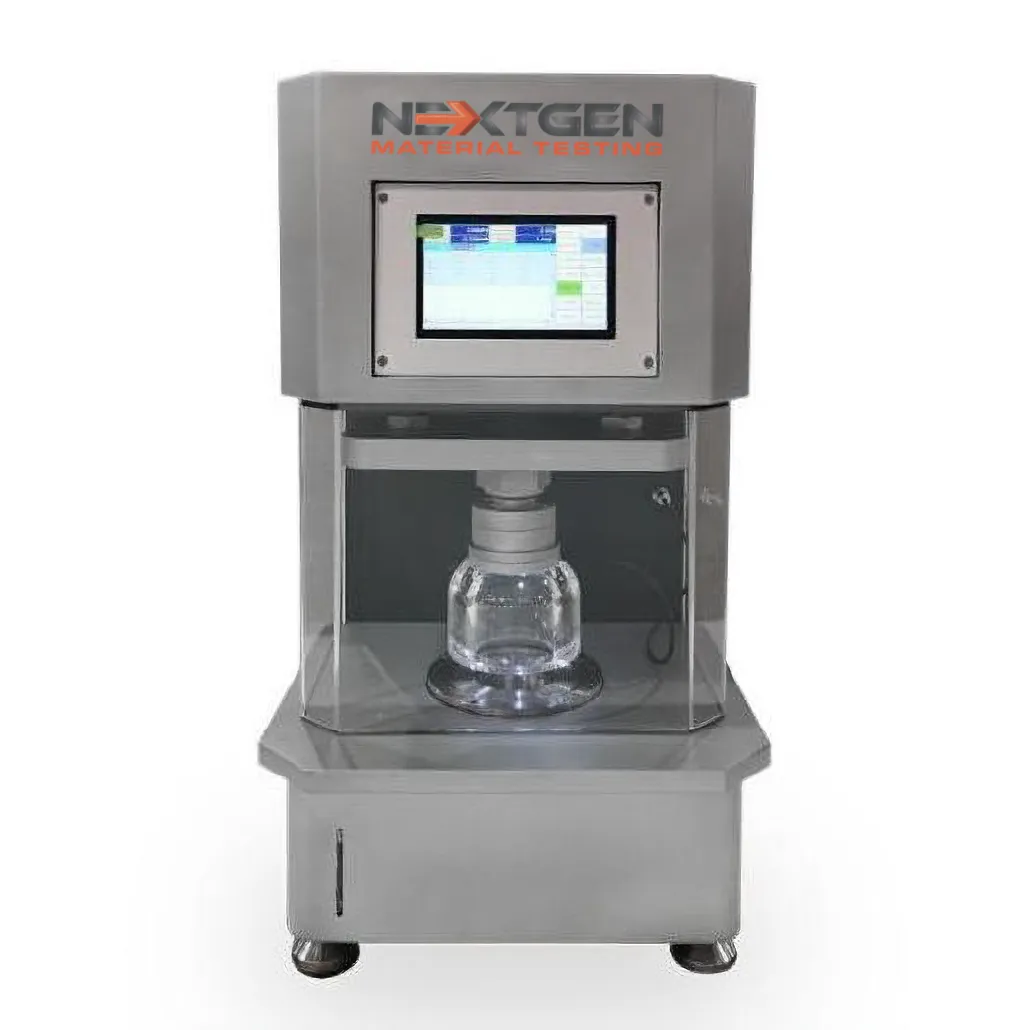
GenBurst Pro – Hydraulic Bursting Strength Tester
GenBurst Pro is a hydraulic bursting strength tester for measuring bursting strength and burst distension in woven fabrics, knitted fabrics, nonwovens, paper, and board. Using hydraulic pressure applied through a rubber diaphragm, it evaluates material performance under multidirectional stress. Automated burst detection, servo-controlled loading, interchangeable test areas, touchscreen operation, and multiple test modes support reliable QC, product development, and standards-based testing.