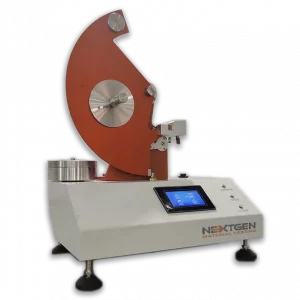
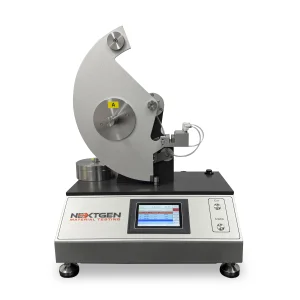
JIS K 7128-2 is a Japanese Industrial Standard test method for determining tear resistance of thin, flexible plastic film and sheeting using the Elmendorf (pendulum) tear method.
It is commonly specified for incoming inspection, product qualification, and process control where tear propagation force is a critical performance property for films and flexible sheet products. If you need help matching the right edition, specimen type, or tester capacity to a customer requirement, talk with our team.
JIS K 7128-2: Plastics — Film and sheeting — Determination of tear resistance — Part 2: Elmendorf method
JIS K 7128-2 focuses on tear propagation behavior for thin, flexible plastic materials. The method measures the force required to propagate a tear from a specified slit through a specified distance under defined loading conditions.
Because film products vary widely in thickness, extensibility, and tear behavior, practical setup details (capacity, specimen preparation approach, and conditioning) should be selected to fit both the cited standard and the expected tear-force range.
Quick Definition
JIS K 7128-2 is an Elmendorf pendulum tear test method used to quantify tear resistance of thin, flexible plastic film and sheeting by measuring the force needed to propagate a tear over a defined distance from a pre-cut slit.
What This Standard Covers
This standard specifies a tear test method for flexible plastic film and sheeting using an Elmendorf-type tearing tester.
What is measured: The force required to propagate a tear from a defined slit over a defined tear distance.
What it is for: Comparing tear resistance between materials, monitoring manufacturing consistency, and verifying conformance to internal or customer requirements for film products.
Practical limits: The maximum testable thickness depends on the tearing force relative to the instrument capacity; highly extensible films can also be more sensitive to tearing path behavior, which can impact repeatability if the setup is not well matched to the material.
Why This Standard Matters in Testing
Tear resistance is often a make-or-break property for films used in packaging, protective covers, liners, and handling operations where a small cut or notch can grow into a failure.
For procurement and QA/QC teams, a JIS K 7128-2 requirement typically signals that tear performance must be controlled as a numeric property using a recognized pendulum method, rather than relying on subjective “tear by hand” checks.
Common Materials, Product Types, or Applications Covered
JIS K 7128-2 is commonly applied to thin, flexible plastic films and sheets where tear propagation is a relevant failure mode.
Typical product forms: Plastic film, flexible plastic sheeting, laminated flexible structures (when specified), and flexible barrier or protective films.
Common use cases: Packaging films, protective films, liners, bags, and other flexible sheet products where tear propagation resistance is specified for performance and handling robustness.
Common Test or Verification Workflow
A typical lab workflow for JIS K 7128-2 centers on controlled specimen preparation and selecting an Elmendorf pendulum capacity that keeps results in a usable measurement range.
Common workflow: Condition specimens as required by the test plan, prepare specimens with the required geometry and starter slit, verify pendulum capacity and calibration checks, run replicate tests in the required directions (as specified), and report tear resistance in the required units and orientation.
Common decision points: Selecting the appropriate pendulum capacity (and any allowed mass/capacity adjustments), confirming the specimen type required by the cited edition, and ensuring the film tears in a stable, representative manner for the product’s end use.
Equipment Commonly Used for This Standard
JIS K 7128-2 is typically run on an Elmendorf tear tester (pendulum-type tearing tester) configured for the expected tear-force range of the film.
Common equipment: Elmendorf pendulum tear tester; specimen cutting tools (to produce consistent geometry and slit); thickness measurement tools when required by the lab’s reporting practice; conditioning environment (as specified by the test plan); and basic verification tools supplied by the instrument manufacturer (as applicable).
Equipment selection cautions: Pendulum capacity and resolution matter—films with very low tear strength can be difficult to measure accurately on an oversized capacity, while high tear strength can exceed capacity. If you are selecting a tester or upgrading capacity options, you can request a detailed quote for an Elmendorf configuration matched to your typical film range and reporting needs.
How to Read This Designation or Revision
Designation: “JIS K 7128-2” identifies the JIS K-series standard for plastics, with “7128” for tear resistance test methods for film and sheeting and “-2” indicating Part 2 (Elmendorf method).
Edition formatting: The designation is commonly cited with a year (for example, “:1998”) to identify the edition. Setup details and reporting expectations can vary by edition and by how the requirement is written in a purchase specification.
Revision sensitivity: For equipment quoting and method setup, always match the exact edition and any customer-specific deviations (specimen geometry, direction, units, and conditioning requirements) stated in the controlling document.
Related Standards, Methods, or Frameworks
JIS K 7128 is a multi-part series for tear resistance of plastic film and sheeting. Depending on the product and tear behavior, specifications may reference other parts of the series (for example, alternative tear methods) instead of—or in addition to—the Elmendorf method in Part 2.
When a customer specification references multiple tear methods, confirm whether the requirement is for method comparison, different product families, or different tearing directions before finalizing your test plan.
Need help scoping JIS K 7128-2 testing equipment?
If you share your film type, thickness range, and expected tear-force range, we can help narrow down Elmendorf tester capacity options and a practical accessory list for your lab workflow—start by requesting pricing for a configuration that fits your requirement.