GenCrock Pro – Electronic Crockmeter

Textile Testing Equipment
Standards


Description
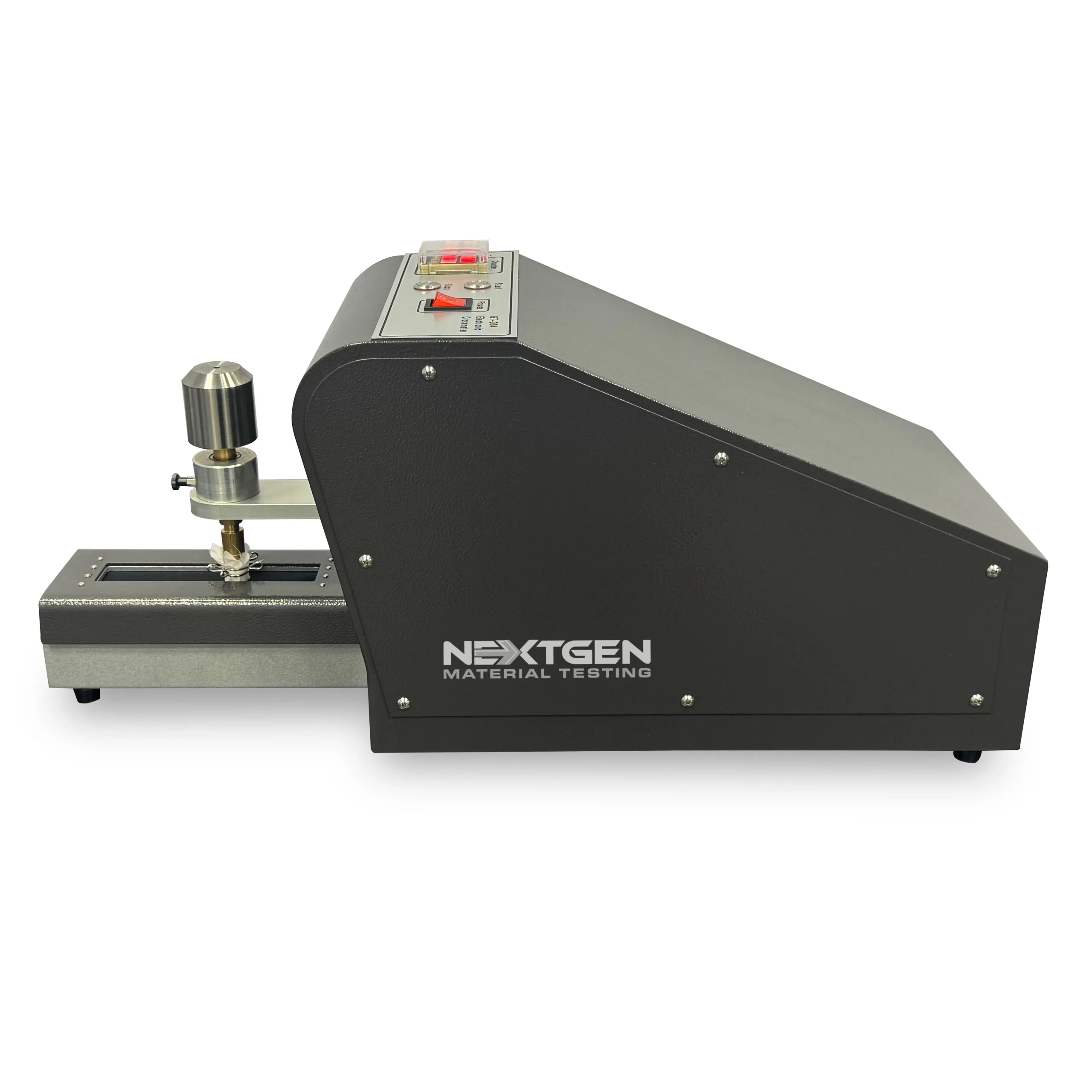
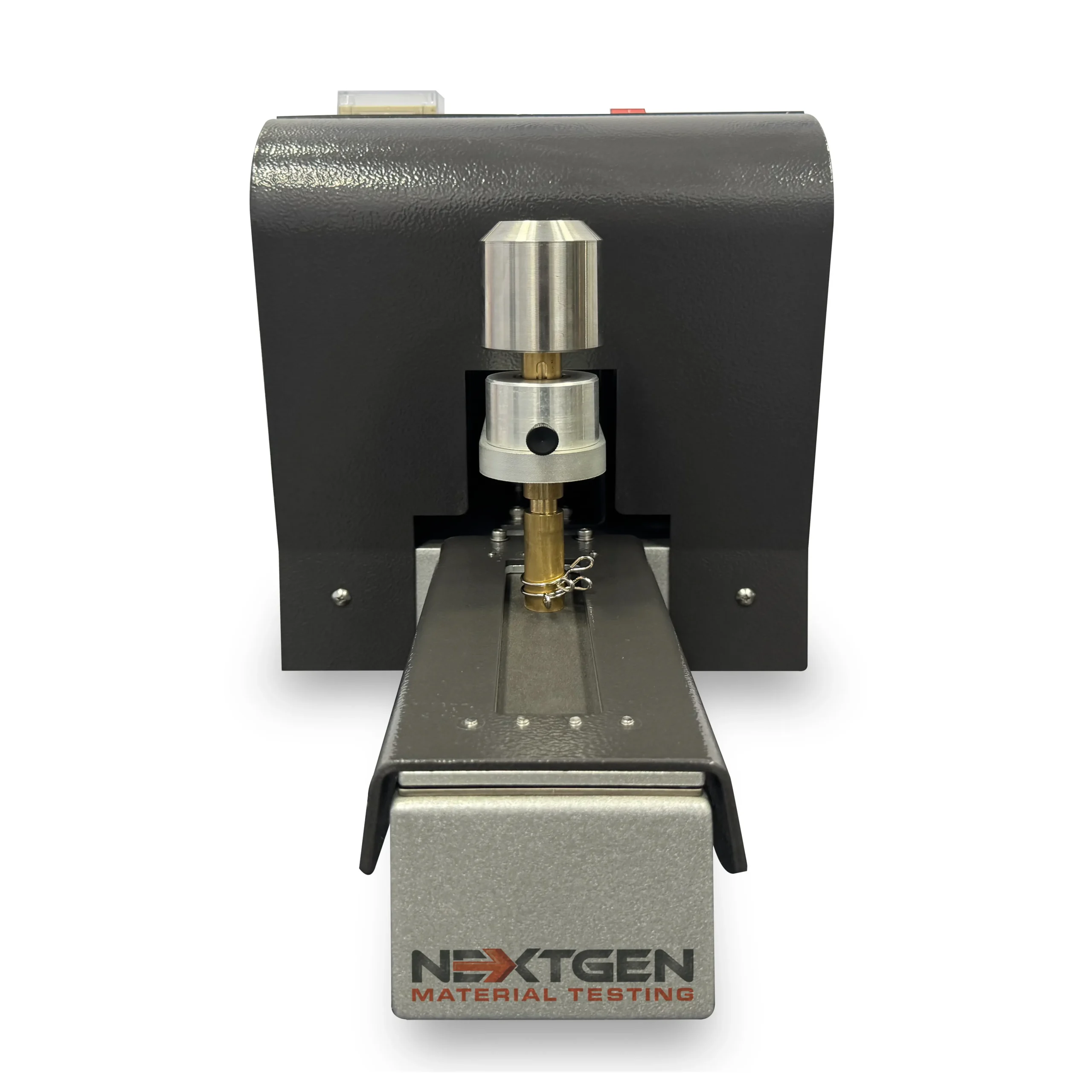
GenCrock Pro is an electronic crockmeter designed to measure color fastness to dry and wet rubbing on textiles and other coated materials where surface color transfer must be evaluated under controlled conditions. It provides a simple, repeatable method for routine crocking tests, combining fixed stroke parameters, controlled vertical pressure, and an electronic counter in a compact bench-top format. For laboratories handling day-to-day color fastness testing, it offers a practical solution for quality control, comparative material evaluation, and standards-based testing workflows. Its controlled stroke geometry, repeatable operating conditions, and support for recognized rubbing fastness methods make it well suited for routine laboratory testing.
Main Features
GenCrock Pro is built for labs that need straightforward operation, consistent rubbing conditions, and dependable results in routine color fastness testing.
- Dry and Wet Rubbing Evaluation: Designed to determine the color fastness of textiles to both dry and wet rubbing conditions.
- Electronic Stroke Counting: Uses a pre-set electronic counter for strokes up to 9,999, with automatic stop at the end of the test cycle.
- Controlled Test Geometry: Uses a 16 mm rubbing head, 9 N +/- 0.2 N vertical pressure, and 104 +/- 3 mm rubbing track to support repeatable crocking conditions.
- Stable Operating Speed: Runs at 60 +/- 2 rpm, supporting consistent test motion in routine lab work.
- Rapid Sample Mounting: The pinned acrylic sample holder is designed to help operators mount specimens quickly and consistently.
- Compact Electronic Control: Uses an electronic control system in a compact format that fits easily into standard QC and R&D laboratory benches.
- Low-Maintenance Construction: Metal housing with high-temperature baked coating is designed for durability and easier maintenance.
Applications
GenCrock Pro is intended for color fastness testing programs where surface color transfer under rubbing must be measured consistently and compared against internal or external standards. It is especially relevant in textile quality control, product development, and finishing validation. It is especially useful where color transfer, rubbing performance, and surface finish stability need to be evaluated under controlled laboratory conditions.
- Textiles: Routine dry and wet rubbing fastness testing for dyed or finished textile materials.
- Coated Materials: Useful where surface color transfer or rubbing performance must be checked under controlled test conditions.
- Quality Control Programs: Suitable for incoming inspection, lot comparison, production monitoring, and release testing.
- Product Development Work: Helps compare different dyes, finishes, treatments, and surface constructions during material development.
- Standards-Based Lab Testing: Supports recognized color fastness to rubbing methods used in North American and international testing environments.
Who This System Is For
GenCrock Pro is well suited for organizations that need a reliable motorized crockmeter as part of a structured color fastness testing workflow.
- Textile manufacturers
- Fabric dyeing and finishing operations
- Quality control and quality assurance laboratories
- R&D and materials development teams
- Third-party textile testing laboratories
- Brands and sourcing teams verifying rubbing fastness performance
Technical Specifications
For labs planning installation or comparing rubbing fastness testers, the specifications below summarize the system's core operating parameters and physical requirements.
| Parameter | Value |
|---|---|
| Model | GenCrock Pro |
| Control System | Electronic control |
| Rubbing Head Diameter | 16 mm |
| Vertical Pressure | 9 N +/- 0.2 N |
| Rubbing Head Track | 104 +/- 3 mm |
| Test Speed | 60 +/- 2 rpm |
| Stroke Counter | Up to 9,999 strokes |
| Power Supply | AC 220 V, 50/60 Hz |
| Dimensions | 24.4 x 10.2 x 11.0 in. (62 x 26 x 28 cm) |
| Weight | 30.9 lb (14 kg) |
Standards
GenCrock Pro supports recognized rubbing fastness methods used in textile color fastness testing programs. The primary supported standards include:
- BS 1006-D02
- ISO 105-X12 / D02
- AATCC 8 / 165
- ASTM D6279
- JIS L 0849 Type 1
- JIS L 0862 Type 1
Standard Accessories
GenCrock Pro is supplied with the basic accessories required for routine rubbing fastness testing and setup.
- Rubbing Cloth: 1 box
- Sand Paper: 2 pcs
- Rings: 2 pcs
- Power Line: 1 pc
Optional Accessories
Optional accessories are available for labs that need additional visual grading tools for staining assessment.
- Gray Scale for Staining
Looking for a Reliable Electronic Crockmeter for Routine Color Fastness Testing?
If your lab needs a dependable solution for dry and wet rubbing fastness evaluation, GenCrock Pro can be configured to support your daily QC workflow and applicable test standards. Send NextGen Material Testing your material type, target standards, and testing requirements, and our team will help you review fit, answer technical questions, and prepare a quote for your application.
For Laboratories
Need Additional Quality Control Equipment to Build Your Laboratory?
Color fastness testing is only one part of a complete quality control laboratory. NextGen can help you equip your entire lab with color fastness testers, abrasion testers, bursting strength testers, tearing testers, flexing testers, and other supporting solutions, all coordinated as one complete project.
- One partner to equip your complete laboratory
- Installation, training, calibration
- Support for the life of the equipment
FAQs
The 16 mm rubbing head helps keep the contact area and rubbing pattern consistent from test to test, which is what makes crocking results more repeatable. In a dry or wet rubbing fastness workflow, that consistency matters because even small changes in contact geometry can affect how much color transfer you see on the cloth.
On this tester, the rubbing head works as part of a controlled test setup with fixed pressure, track length, and stroke speed. That combination helps labs compare results more reliably across operators, shifts, and sample lots, especially in routine QC and batch verification.
To align this with your testing method, learn more about the system or request a quote for your sample type, standards, and setup.
This tester is commonly used on textile specimens, especially dyed fabrics and printed textiles where dry or wet crocking colorfastness needs to be checked. It is also used for leather panels and other coated materials when the goal is to evaluate surface color transfer under controlled rubbing.
In practice, labs often run incoming material checks, production verification, and product development samples. The exact specimen format depends on the test method, the material construction, and whether you are comparing dry rubbing, wet rubbing, or both. That makes it a practical choice for apparel, upholstery, footwear, and leather goods workflows.
Looking to match the right specimen setup to your method? Review the product details and request a quote if you want help confirming the best configuration for your samples.
The meaningful difference between GenCrock-A and GenCrock-B usually comes down to the setup details that support your crocking workflow, not the basic test principle. This system is intended for dry and wet color fastness rubbing evaluation under controlled pressure and fixed stroke geometry, so the better fit depends on your specimen type, the rubbing medium, and the way your lab wants to run textile or leather checks.
For most labs, the key comparison points are specimen handling, the method you need to follow, and any accessories or fixtures required for routine QC, incoming inspection, or development work. If you are standardizing one process across multiple materials, it is worth matching the configuration to the exact test routine instead of choosing by name alone.
If you’re comparing the two setups, learn more about this tester and request a quote with your material type, specimen details, and method requirements so the right configuration can be confirmed quickly.
The primary role of this tester is to evaluate crocking colorfastness, meaning how much color transfers from a textile or leather surface when it is rubbed under controlled dry or wet conditions. It is used to check both the dyeing performance of fabric and the fade or rub-off behavior of leather.
In practice, the specimen is secured on the base, then rubbed with an abrasive head and either a dry or wet cloth. That makes it a practical tool for quality control, batch comparison, and development work where consistent color transfer results matter.
Need to confirm the right setup for your material or test method? Learn more about the Electric Crocking Tester – GenCrock, or request a quote for the configuration that fits your samples and workflow.
It suits both QC labs and R&D labs, with a slight lean toward routine quality control. The controlled rubbing setup, electronic stroke counting, and compact bench-top format make it a good fit for repeatable color fastness checks where consistency matters.
For QC, this tester is useful for incoming inspection, lot comparison, production monitoring, and release testing. For R&D, it is a practical tool for comparing dyes, finishes, treatments, and surface constructions during product development. It also works well when you need dry and wet crocking results on textiles or coated materials under the same method.
To decide how it fits your workflow, review the full product details and request a quote with your material type, target standard, and test setup. That will help confirm the best configuration for your lab.
Calibration is typically handled as part of the startup and service planning for this crocking tester when installation support is included. In practice, that helps bring the unit into working condition for your lab workflow and method requirements.
The exact scope can still depend on your order, site setup, and whether you want on-site commissioning, operator training, or a delivery-only arrangement. For textile color fastness work, that matters because the startup package often needs to match your method, fixtures, and internal QA process.
To verify the right setup for your lab, learn more about the system and request a quote. If you share your installation needs, we can help confirm whether calibration should be included in the service package.
We provide installation and training support for this tester, including setup assistance, electrical connection guidance, system checks, and basic operator training. That helps labs get the unit into service smoothly and start routine crocking work with the right setup.
For a crocking tester, the exact installation plan usually depends on your lab layout, power setup, fixtures, and whether you are running dry or wet rubbing workflows. Confirming those details in advance helps make sure the configuration fits your lab and application requirements.
Need to line up the right support for your lab? learn more about the system, or request a quote with your installation and training needs.
The 60 rpm operating speed helps keep rubbing action consistent from one test to the next, which is important for judging color transfer in dry and wet crocking. In practice, that steady motion supports more repeatable results, so differences in stain or fading are more likely to come from the material itself, not from changes in the test stroke.
For textile colorfastness work, speed is one of the main factors that shapes the severity of the rub. When the motion is held at a controlled rate, labs can compare dyed fabrics, printed textiles, and leather samples more reliably across batches, operators, and test runs. That makes the result more useful for quality control, product development, and finish validation.
When refining your crocking method, it helps to confirm the full setup, including stroke count, pressure, specimen mounting, and the wet or dry cloth condition. You can learn more about the tester and request a quote if you want help matching the configuration to your test workflow.
This tester is a self-contained electronic crockmeter for dry and wet rubbing, with controlled pressure and fixed stroke geometry. It is best treated as a bench instrument rather than a software-led platform.
For routine color fastness work in textile and leather labs, that kind of setup is typically used for repeatable rub testing without a PC workflow. If your team needs data logging, automation, or a specific interface, the exact configuration should be confirmed before ordering.
Need to verify the control setup for your application? learn more about GenCrock Pro or request a quote. If you share whether you need dry, wet, or both rubbing modes, we can help narrow the right configuration.
For a busy textile lab, this tester can support high-throughput dry and wet crocking work when the goal is repeatable, routine color transfer checks. Its electronic control, preset stroke counting, and compact bench-top design are a good fit for QC labs that run the same method many times each day.
In practice, throughput depends on how often you change specimen types, wet versus dry setup, and operator handoff. The quick mounting approach helps reduce turnaround between runs, and the fixed rubbing conditions support consistent results when you are comparing production lots, dyed fabrics, printed textiles, or leather samples.
Need to confirm the best setup for your workflow? learn more about the system details, or request a quote with your material type and test standard so we can help match the configuration to your lab schedule.
Plan for a compact bench-top footprint of 24.4 x 10.2 x 11.0 in. (62 x 26 x 28 cm) for this crocking tester. That is the basic space the unit occupies on the bench.
For routine textile or leather color fastness work, it is still smart to leave extra working room around the tester for specimen mounting, cloth changes, and normal operator access. The exact layout will depend on your lab’s fixture setup, sample handling flow, and whether the unit sits beside other QC equipment.
To confirm the best setup for your workspace, review the GenCrock Pro page and request a quote with your sample type and available bench width. If you share your workflow, we can help narrow the right configuration for your lab.
Regular checks should focus on the rubbing head, specimen holder, abrasive cloth or sandpaper, stroke counter, and the motion path of the tester. For dry and wet crocking work, it is also smart to inspect the cloth path, fasteners, and power connection so the rubbing action stays consistent from test to test.
The most important things to watch are wear, looseness, residue buildup from previous tests, and any change in smooth movement. After wet rubbing work, many labs also pay close attention to cleaning and drying the contact area so carryover does not affect the next color fastness result. The exact check routine usually depends on how often the unit runs, the specimen type, and your lab’s internal method controls.
To confirm the best maintenance approach for your lab, learn more about the system or request a quote so the setup can be matched to your testing method, sample mix, and daily workload.
This tester’s 104 ± 3 mm rubbing track helps keep the crocking path consistent from run to run, so dry and wet rubbing results are easier to compare across textiles, printed goods, and leather samples.
In practice, a fixed stroke geometry reduces operator-to-operator variation because the rubbing travel stays nearly the same on every specimen. That is one of the main reasons this style of crockmeter is used for routine QC and color transfer checks.
The track works alongside the 16 mm rubbing head, 9 N ± 0.2 N vertical pressure, 60 ± 2 rpm speed, and electronic stroke counting up to 9,999, which supports repeatable daily testing.
To align the setup with your method requirements, learn more or request a quote with your specimen type, finish, and target standard.
Labs should treat ASTM D2054 and AATCC rub-fastness results as controlled color-transfer data, not as a broad rating of the fabric or leather by itself. This tester is meant for dry and wet crocking work, so the most useful interpretation comes from keeping the specimen mount, rubbing cloth condition, and test setup consistent from sample to sample.
For quality control, the result is best used to compare dye lots, finishing changes, printed textiles, or leather surfaces under the same method conditions. If your SOP ties the test to a specific AATCC 8 or ASTM workflow, the practical takeaway is that the setup must match the method details your lab follows, especially for dry versus wet rub testing and report formatting.
To align this with your method requirements, confirm the exact setup your lab wants to use, then compare the configuration against the application. You can learn more about this tester or request a quote for a configuration matched to your workflow.
This tester is suited to dyed fabrics and leather specimens that need dry or wet rubbing colorfastness checks. It is used to evaluate how much color transfers during controlled rubbing under dry or wet cloth conditions.
For textile labs, that makes it a practical fit for quality control on finished goods, incoming materials, and development work where you need to compare rubbing performance across samples. It is also relevant for leather testing when you want to assess fade or color transfer from surface rubbing.
Need to confirm the best setup for your samples? Learn more about this electric crocking tester or request a quote with your material type and test method.
This tester is supplied with a comprehensive warranty package on each order, along with after-sales support intended to support long-term use in the lab. That gives buyers a practical support path beyond the initial purchase.
For warranty coverage questions, the exact details usually depend on the order setup, including any accessories, service expectations, and how the unit will be used in your textile or leather testing workflow. If you are planning a lab purchase, it makes sense to confirm the warranty scope as part of the final configuration review.
Need to confirm the warranty terms for your setup? learn more about the system, or request a quote and ask for the warranty package details with your configuration.
On this tester, the stroke counter range is the number of rubbing cycles you can set before the unit stops automatically, up to 9,999 strokes. That makes it easier to run the same crocking sequence each time and compare dry or wet rubbing results consistently.
For test programming and repeatability, the main value is control, a preset count, fixed stroke geometry, controlled pressure, and a constant rubbing speed help keep operator-to-operator variation low. In practice, that supports routine QC checks, batch comparisons, and material development work.
Need to confirm the right setup for your method? learn more about this tester, or request a quote with your material type, specimen format, and target cycle count so the configuration can be matched to your workflow.
For routine crocking tests, the main consumables are the rubbing cloth and sand paper used with the rubbing head. This tester is also supplied with rings and a power line, so the everyday setup for dry and wet rubbing fastness is straightforward.
In normal lab use, it helps to keep extra rubbing cloths on hand because they are replaced regularly. A gray scale may also be used for staining evaluation when visual grading is part of the workflow, while the rings are generally treated as setup hardware rather than a consumable.
To align this with your testing method, review the GenCrock Pro details and request a quote. If you share your standard, material type, and whether you run dry, wet, or both, the right accessory set can be confirmed quickly.
Labs keep crocking results consistent by locking down the same specimen mounting, cloth handling, and test setup every time. For dry or wet crocking, this tester is meant to run the rubbing step under controlled conditions, which helps reduce variation between operators and shifts.
The key is to standardize the workflow around the same sample preparation, the same rubbing approach, and the same pass-fail review criteria for each run. That matters for fabric dyeing checks, leather fade evaluation, and routine quality control, where small handling differences can change the outcome.
Need to tighten up your method setup for this application? learn more about this tester or request a quote to confirm the right configuration for your lab workflow.
This tester applies a controlled vertical pressure of 9 N, with a tolerance of plus or minus 0.2 N, during the rubbing step. For crocking and color fastness work, that load is what keeps the dry or wet cloth contact consistent from test to test.
In practice, that rubbing load is part of a fixed test geometry, along with the 16 mm rubbing head, the 104 +/- 3 mm track, and the 60 +/- 2 rpm motion. That combination helps labs compare dyed textiles, printed fabrics, and leather samples under repeatable color transfer conditions.
Need to verify the right setup for your material or method? Review the GenCrock Pro - Electronic Crockmeter details, or request a quote for a configuration check.
This tester supports the main rubbing fastness methods used for textile colorfastness work, including ASTM D6279, BS 1006-D02, ISO 105-X12 / D02, AATCC 8 / 165, JIS L 0849 Type 1, and JIS L 0862 Type 1.
That makes it a practical fit for dry and wet crocking checks in QC labs, development work, and routine production verification. If your process is tied to a specific method, the final setup usually comes down to the specimen type, the grading workflow, and any lab documentation you need around staining assessment.
To align this with your testing method, learn more about the tester and request a quote for the standards and setup you plan to use.
This tester is suitable for both fabric color transfer checks and leather rub fastness evaluation. It is used for dry and wet rubbing work, so it fits common crocking tests on dyed textiles as well as leather surfaces.
The result depends on the material type, specimen preparation, and whether you are running a dry or wet method. That makes it a practical choice for labs comparing dyed fabrics, printed textiles, and leather goods in incoming inspection, production verification, or product development.
Need to confirm the right setup for your samples? learn more about this system or request a quote if you want help matching the configuration to your fabric or leather testing method.
For daily crocking testing, operators should keep the work area clear, confirm the specimen is mounted securely, and make sure the rubbing cloth, holder, and test path are set up correctly before starting a cycle. Keep hands clear of the moving rubbing head, and stop the run before making any adjustment to the specimen or consumables.
Good daily practice also means checking that the right dry or wet rubbing setup is being used for the sample, replacing worn cloths promptly, and handling wet materials carefully to avoid slips or contamination. Use your lab’s PPE and housekeeping rules, since the most reliable results come from a consistent setup and careful sample handling.
To align this with your workflow, review the GenCrock Pro setup details or request a quote if you want help matching the right configuration to your specimens and daily test method.
Replace the crock test cloth for each specimen and for each separate dry or wet run. That is the practical way to keep color transfer from one sample from influencing the next, which fits the way AATCC crocking uses white test cloth squares under controlled rubbing conditions.
Change the cloth sooner if it looks stained, frayed, damp when it should not be, or contaminated with lint or finish residue. Most labs also keep the dry and wet cloths separated so the staining result stays tied to one test condition.
To align this with your AATCC 8 or AATCC 165 workflow, review the Electric Crocking Tester - GenCrock details and request a quote. The unit is set up for rubbing fastness testing and is supplied with rubbing cloth as a standard accessory.
This tester requires AC 220 V, 50/60 Hz, and it is supplied with a power line for setup. For North American and international labs, the main installation check is whether the intended test location has the correct incoming supply.
In practice, the key planning point is confirming that your lab can provide 220 V service where the unit will be installed. If your facility uses a different mains standard, it helps to review the electrical setup in advance so the tester can be integrated smoothly into your workspace.
For a quick compatibility check, learn more about the system or request a quote with your facility voltage and region so the right installation path can be confirmed for your lab.
Training and installation support are available for this crocking tester, and that is often the most practical way to get operators comfortable with setup, safe handling, and routine color fastness testing. The goal is to leave your team ready to run dry and wet rubbing checks with confidence.
For a textile lab, that support typically covers installation walkthroughs, initial adjustment, specimen mounting, correct test sequence, and practical day-to-day use. The exact scope depends on your configuration, sample type, and the method or standard you plan to follow. If your lab also needs help with rubbing fastness accessories or staining evaluation setup, those details can be reviewed at the same time.
Need to confirm the right training approach for your workflow? learn more about the system, then request a quote so the training plan can be matched to your setup and test method.
Related Products
GenCrock – Electric Crocking Tester
GenCrock is an electric crocking tester for evaluating color transfer and fading on fabric, leather, and dyed surfaces after dry or wet rubbing. The specimen is fixed to the base and rubbed with a controlled abrasive hammer carrying wet or dry cloth. This repeatable setup helps laboratories rate dyeing quality, colorfastness, and surface durability for textile, leather, and product QC.
Read more
GenWashLab – Color Fastness to Washing Tester
GenWashLab is a temperature-controlled wash fastness tester for evaluating color change and staining in dyed textiles after laundering or dry-cleaning procedures. It combines controlled heating, timed wash cycles, stainless steel vessels, configurable cup arrangements, touchscreen control, and 40 rpm rotation to support repeatable laboratory testing for textile manufacturers, dye houses, QC teams, brands, and third-party testing labs.
Read more