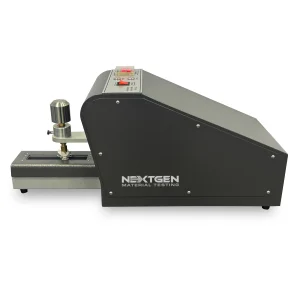
ISO 105-X12 / D02 is commonly used in textile and surface-finish QA to reference colour fastness evaluations based on rubbing (crocking). In practice, it points to ISO 105-X12 for dry and wet rubbing colour transfer and ISO 105-D02 when rubbing is combined with organic solvents used in localized hand spot-cleaning.
If you need help aligning your product requirement to the right part (X12 vs D02) and the correct edition year, talk with our team about your material, surface type, and pass/fail criteria.
ISO 105-X12 / D02 (ISO 105 colour fastness rubbing references)
Within the ISO 105 colour fastness series, Part X12 addresses colour fastness to rubbing using dry and/or wet rubbing cloths. Part D02 addresses colour fastness to rubbing in the presence of organic solvents used for hand spot-cleaning (localized “spotting”).
Buyers and laboratories often see “ISO 105-X12 / D02” on equipment lists for crocking/rubbing testers, because the same lab workflow family (controlled rubbing and staining evaluation) supports both requirements.
Quick Definition
What it is: A common shorthand used in textile testing and equipment documentation to indicate ISO 105 colour fastness rubbing methods covering (1) dry/wet rubbing transfer (X12) and (2) rubbing combined with organic solvent spotting (D02).
What it measures: Tendency of colour to rub off a textile surface and stain a standard rubbing material under defined rubbing conditions, with the D02 variant including a spot-cleaning solvent influence.
What This Standard Covers
ISO 105-X12 (Colour fastness to rubbing): A laboratory method for determining resistance of colour transfer by rubbing for textiles of all kinds (including yarns, fabrics, and pile/floor covering constructions), typically run as a dry rub and/or wet rub evaluation.
ISO 105-D02 (Colour fastness to rubbing: Organic solvents): A laboratory method for determining resistance of colour to the combined action of rubbing and organic solvents used in hand spot-cleaning (localized spotting). It is intended for textiles in various forms (except loose fibre).
Why This Standard Matters in Testing
Rubbing fastness is closely tied to customer-facing appearance, complaints, and rework risk. A material that sheds dye or pigment during handling, wear, or cleaning can stain adjacent materials, trims, linings, upholstery contact surfaces, or packaging.
From a lab management standpoint, ISO 105 rubbing methods are often used to support supplier qualification, lot release, process changes (dyeing/printing/finishing adjustments), and benchmarking between formulations or print systems.
Common Materials, Product Types, or Applications Covered
These ISO 105 rubbing references are most common for dyed or printed textiles where surface colour transfer is a risk during use or maintenance.
Typical products: Apparel fabrics, workwear, uniforms, upholstery textiles, automotive interior textiles, coated or finished textiles, and textile floor coverings/pile fabrics (where applicable to the cited part and specimen form).
Typical concerns: Colour transfer onto lighter fabrics, leather/vinyl contact materials, seating surfaces, cleaning cloths, or consumer items that come into contact with the textile.
Common Test or Verification Workflow
Most labs run these methods as comparative or compliance checks: a defined rubbing action is applied, and the staining/transfer is graded using an accepted colour-change/staining assessment approach specified by the test plan.
Common workflow steps (high level): Prepare and condition specimens as required by the cited part, perform a defined number of rubbing cycles using the specified dry or wet rubbing condition (X12) or the solvent-related spotting/rubbing approach (D02), then evaluate staining/transfer results against the acceptance requirement in the product specification.
Equipment Commonly Used for This Standard
Equipment selection typically centers on generating a controlled, repeatable rubbing action and using standardized consumables for the rubbing media.
Common equipment: Crockmeter / rubbing fastness tester (manual or motorized), specimen clamping platform, rubbing finger/fixture appropriate to the material construction, and cycle counting/control (for motorized systems).
Common consumables: Standard rubbing cloth/media, wetting/conditioning supplies for wet rubbing, and any solvent handling/spotting accessories required when a D02-type workflow is specified.
If you are comparing manual vs. motorized crocking systems, fixture options, or consumable packages, you can request a detailed quote matched to your throughput and reporting needs.
How to Read This Designation or Revision
“ISO 105-X12” and “ISO 105-D02” are separate parts within the ISO 105 series, and they can be cited independently in specifications. When a document or equipment list shows “ISO 105-X12 / D02,” it usually indicates that the lab or instrument is intended to support rubbing fastness testing aligned to both parts, depending on what the purchasing specification requires.
Revision sensitivity: ISO 105 parts are issued by edition/year (for example, ISO 105-X12:2016 and ISO 105-D02:2016). Your required setup, consumables, and reporting format can depend on the exact cited edition and whether the requirement is dry rubbing, wet rubbing, or solvent-related spotting/rubbing.
Related Standards, Methods, or Frameworks
Rubbing/crocking requirements are often specified alongside other colour fastness methods (such as laundering, perspiration, water, or dry cleaning) to build a complete durability profile for a textile or finished product.
In procurement documents, you may also see regional equivalents or brand protocols referenced alongside ISO 105 rubbing methods. When multiple methods are listed, make sure the acceptance criteria and rating approach are consistent across the full requirement set.
Get help selecting a rubbing fastness setup
If you share the exact citation from your customer spec (including whether it calls out ISO 105-X12, ISO 105-D02, or both), we can recommend a crockmeter configuration and consumables that fit your material type and lab throughput. For equipment sizing and options, request pricing for a configuration aligned to your workflow.