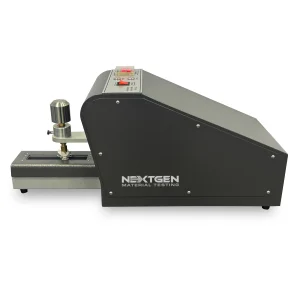
JIS L 0862 Type 1 is a Japanese test method used to evaluate how well a dyed textile resists color transfer and/or appearance change when rubbed in the presence of an organic solvent (such as those used for spot cleaning).
This designation is commonly referenced when a product, brand program, or supply-chain requirement needs solvent-rubbing colorfastness screening alongside more common rubbing tests. If you need help aligning your instrument setup to the exact cited edition and configuration, talk with our team.
JIS L 0862: Test method for colour fastness to rubbing with organic solvents
JIS L 0862 is a colorfastness test method focused on rubbing (crocking) performed using an organic solvent, intended to simulate staining risk from spot-cleaning solvents and similar exposures on dyed textiles.
Because organic solvents introduce different chemistry and safety considerations than water-based wet rubbing, labs typically treat this as a distinct method with dedicated consumables and handling controls.
Quick Definition
Standard type: Test method.
Primary purpose: Evaluate resistance of a dyed textile to color transfer and/or visible change when subjected to rubbing with an organic solvent present.
Typical outcome: A graded assessment of staining on a rubbing cloth and/or change in specimen appearance using standard colorfastness rating tools (e.g., grey scales).
What This Standard Covers
JIS L 0862 addresses rubbing fastness under organic-solvent conditions. In practice, it is applied when the end-use or care pathway includes solvent contact (spot cleaning and related processes) and there is a need to quantify staining/transfer risk under controlled rubbing action.
This method is narrower than general rubbing fastness methods because it centers on organic solvent exposure rather than dry rubbing or water-wet rubbing.
Why This Standard Matters in Testing
Solvent-assisted rubbing can reveal dye or finish behaviors that do not appear in dry or water-wet rubbing. For quality programs, JIS L 0862 is often used to screen for:
- Staining risk to adjacent materials during spot-cleaning-like contact
- Sensitivity of certain dye classes/finishes to organic solvents under friction
- Batch-to-batch variability tied to dyeing, washing-off, and finishing controls
For procurement and supplier approval, the cited JIS designation helps make solvent-rubbing expectations explicit and comparable across production lots.
Common Materials, Product Types, or Applications Covered
JIS L 0862 is associated with dyed textile materials where surface color transfer is a concern under solvent contact. It is most often encountered in:
- Apparel and uniform fabrics where spot cleaning is expected
- Fashion textiles with deeper shades and higher staining sensitivity
- Textile articles where solvent exposure may occur during service or maintenance
Whether the requirement applies to a specific fabric construction, fiber type, or dye class depends on the purchasing specification that cites the standard.
Common Test or Verification Workflow
Most labs use JIS L 0862 as part of a colorfastness verification sequence alongside other staining/transfer evaluations.
Common workflow: Condition and prepare the specimen and rubbing cloth, perform controlled rubbing with the specified organic solvent condition, then visually grade staining on the rubbing cloth and/or specimen change using standard colorfastness assessment tools and lighting practice defined in the broader colorfastness framework used by the lab.
Practical note: Because organic solvents are involved, many labs add handling controls (ventilation, compatible materials, solvent storage, and waste handling) as part of their routine operating procedure.
Equipment Commonly Used for This Standard
Equipment selection is driven by the requirement to apply a repeatable rubbing action while safely handling organic solvents and producing consistent, gradeable staining results.
Common equipment: Rubbing fastness tester (crockmeter-style) suitable for dry/wet operation, solvent-compatible rubbing finger and contact surfaces, approved rubbing cloth/adjacent fabric as required by the lab program, grey scales for staining and color change, and controlled viewing conditions for grading.
Lab infrastructure: Ventilation or fume extraction appropriate for solvent handling, compatible containers for wetting and storage, and PPE consistent with the solvent used.
If you are selecting a rubbing tester configuration for solvent work (including consumables and solvent-compatible contact parts), you can request a detailed quote matched to your throughput and reporting needs.
How to Read This Designation or Revision
Designation: “JIS L 0862” identifies a JIS textile (L-series) method for color fastness testing focused on organic-solvent rubbing.
Revision sensitivity: JIS documents are often cited with a year (for example, JIS L 0862:1996). When an edition is specified in a purchase order or product standard, the lab setup and reporting should follow that exact edition.
Status note: Some catalogs list JIS L 0862:1996 as withdrawn (withdrawal date shown as October 20, 2008). When a requirement still cites this method, it is important to confirm whether a replacement method, internal procedure, or legacy edition is intended.
“Type 1” note: “Type 1” can be used in industry to distinguish an apparatus configuration or variant within a family of rubbing-related methods. If your requirement includes “Type 1,” confirm the exact apparatus/type definition in the controlling document or customer specification before finalizing equipment and fixtures.
Related Standards, Methods, or Frameworks
Organic-solvent rubbing is typically managed as part of a broader colorfastness program. Depending on what your customer specification calls out, JIS L 0862 may be used alongside other rubbing and care-related colorfastness methods, with grading performed using standard colorfastness rating scales and adjacent fabrics where applicable.
When multiple methods are cited together, confirm that the same specimen orientation, assessment practice, and reporting format are applied consistently across the full test panel.
Talk with us about JIS L 0862 testing setups
If you need help interpreting a customer callout (including “Type 1”), aligning the cited edition, or configuring a solvent-compatible rubbing fastness setup with the right consumables and grading tools, contact our team with your product type and the exact requirement language.