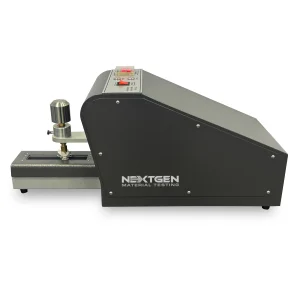
AATCC 8 and AATCC 165 are AATCC test methods used to evaluate color transfer (crocking) from a colored textile surface to a white crocking cloth under controlled rubbing conditions using a crockmeter.
AATCC 8 is commonly used for yarns and fabrics, while AATCC 165 is focused on textile floor coverings where construction and end-use conditions can differ from apparel textiles. If you are unsure which method is being called out in a customer spec, talk with our team about the product type and the exact edition cited.
AATCC 8 / 165 — Colorfastness to Crocking (Crockmeter)
AATCC TM8 (often referenced as “AATCC 8”) measures color transfer from dyed or printed textile materials by rubbing with a white test cloth (dry and wet). AATCC TM165 (“AATCC 165”) applies the same overall crocking concept to textile floor coverings, where the use surface may be affected by soiling, cleaning, and chemical treatments prior to testing.
These methods are widely used in textile QA/QC to screen dye/print performance and to document whether a material is likely to stain other materials through contact and abrasion during handling or end use.
Quick Definition
AATCC 8: Crockmeter-based test method for evaluating color transfer from colored yarns/fabrics during rubbing (dry and wet).
AATCC 165: Crockmeter-based test method for evaluating color transfer from textile floor coverings during rubbing (dry and wet), with flexibility to test before/after real-world exposure conditions (such as cleaning or applied treatments).
What This Standard Covers
Both methods use controlled mechanical rubbing to transfer any loose or poorly fixed colorant from a test specimen onto a white crocking cloth. The amount of transferred color is then graded using recognized staining/transfer rating tools (for example, a gray scale for staining or a chromatic transference scale).
AATCC 8 is broadly applicable to textiles made from common fiber types in yarn or fabric form. It is generally not intended for carpets or situations where printed areas are too small to evaluate reliably with the crocking setup. AATCC 165 is written specifically for textile floor coverings.
Why This Standard Matters in Testing
Crocking failures can show up as staining on adjacent materials (linings, trims, upholstery substrates, packaging, socks/shoes, light-colored garments, or interior surfaces) even when overall shade change on the original textile looks acceptable.
From a lab workflow perspective, AATCC 8 / 165 results are often used as a fast screening tool to compare dye lots, finishing changes, or print processes, and to support release decisions for materials that will experience repeated handling and abrasion.
Common Materials, Product Types, or Applications Covered
Commonly evaluated with AATCC 8: Dyed and printed woven fabrics, knits, denim, garment fabrics, coated/finished textiles where surface color transfer is a concern, and in some programs other dyed materials specified by the end user.
Commonly evaluated with AATCC 165: Textile floor coverings (including constructions where the exposed surface may be affected by use, maintenance, or applied chemical treatments).
Common Test or Verification Workflow
Typical programs run both dry and wet crocking to capture different transfer risks. Results are reported as a grade based on the amount of staining/transfer observed on the crocking cloth after rubbing.
For floor coverings, it is common for specs to define when crocking is evaluated (for example, as-received versus after a defined exposure such as cleaning or treatment). Make sure the purchase specification states the preconditioning or pre-exposure requirements so the results match the intended end-use scenario.
Equipment Commonly Used for This Standard
AATCC 8 / 165 testing is centered on a crockmeter system that applies a controlled rubbing motion and pressure between the test specimen and a white crocking cloth. The accessory and consumables package can matter as much as the instrument itself for repeatability.
Common equipment: Crockmeter (manual or motor-driven configurations), specimen mounting/holding accessories appropriate to the material form, cutting dies/templates as used by the lab, and wetting/conditioning tools for wet crocking.
Common evaluation tools: Standardized staining/transfer rating scales (gray scale for staining and/or chromatic transference scale) and consistent viewing conditions for grading.
If you are equipping a lab or aligning an existing crockmeter setup with a specific purchasing spec (AATCC 8 versus AATCC 165, manual versus motorized, and the right evaluation accessories), you can request a detailed quote for a configuration matched to your materials and throughput.
How to Read This Designation or Revision
“AATCC 8” commonly refers to AATCC Test Method TM8 (Colorfastness to Crocking: Crockmeter). “AATCC 165” refers to AATCC Test Method TM165 (Colorfastness to Crocking: Textile Floor Coverings—Crockmeter).
AATCC documents are often cited with an edition year and may also include editorial revision markers. For purchasing compliance, testing equivalency, and audit defensibility, always match the exact method and edition stated in the requirement (for example, whether the requirement calls out TM8 versus TM165, and the cited year/version).
Related Standards, Methods, or Frameworks when useful
Some quality systems reference ISO crocking methods in addition to, or instead of, AATCC methods. AATCC 165 is commonly referenced as partially equivalent to ISO 105-X12 in some procurement contexts; however, acceptance criteria and setup details should be confirmed against the exact customer specification and the specific method edition.
Get help selecting a crocking test setup
If you need to align equipment, consumables, and grading tools to the exact AATCC method your customer cites (TM8 vs TM165, and the required edition), contact our team to discuss your material type, throughput, and reporting requirements.