BS 1006-D02 is a colour fastness test method used to evaluate how readily dye or pigment transfers from a coloured textile surface during rubbing when an organic solvent is involved (as in localized spot-cleaning).
This is typically used in textile QA/QC to compare dyeing/printing performance, screen materials for spot-cleaning risk, and document colour transfer using standardized assessment scales. If you need help mapping a customer requirement to the right edition or to a current equivalent, talk with our team.
BS 1006-D02 — Colour fastness to rubbing (organic solvents)
BS 1006 is a legacy British Standard series for colour fastness testing. The “D02” part is used when the rubbing action is combined with an organic solvent exposure intended to simulate hand spot-cleaning conditions.
Because colour fastness methods are frequently cited in product specifications and retailer test manuals, edition alignment matters—especially where acceptance grades, reporting, or conditioning requirements are specified by the contract or brand.
Quick Definition
Evaluates resistance of textile colour to transfer and change when rubbed using a white rubbing cloth that has been exposed to (or impregnated with) an organic solvent used for spot cleaning.
Primary outputs: Visual ratings for (1) change in colour of the specimen and (2) staining on the rubbing cloth.
What This Standard Covers
This method focuses on a localized rubbing action that can drive colour transfer in the presence of organic solvents associated with spot-cleaning. It is generally intended for textile materials in forms other than loose fibre.
Results are assessed by comparing the specimen and the rubbing cloth against standardized grey scales under controlled viewing conditions.
Why This Standard Matters in Testing
Solvent-assisted rubbing can reveal colour transfer risks that may not appear in dry rubbing alone—particularly for surface dyes, prints, finishes, or materials prone to crocking.
This method is often used to support supplier qualification, lot release, and investigation of customer complaints related to staining during spot cleaning or contact with solvent-treated materials.
Common Materials, Product Types, or Applications Covered
Typical applications include dyed or printed woven and knitted fabrics, workwear and uniforms, upholstery and contract textiles, and other coloured textile products where rubbing contact and localized cleaning are realistic service conditions.
When a specification calls out “BS 1006-D02,” it is usually tied to a minimum grey-scale grade requirement for staining and/or colour change.
Common Test or Verification Workflow
Most labs run this method as a controlled crocking-style test using a defined rubbing head and stroke, with a white rubbing cloth exposed to the specified solvent condition.
Common workflow: Condition specimens as required by the calling document, mount the specimen, prepare the rubbing cloth and solvent exposure, perform the required number of rubs, then visually grade staining and colour change using grey scales.
Practical caution: Solvent identity, rubbing cloth specification, applied force, and stroke/count can materially change results—so it is important that the laboratory setup matches the exact cited procedure and any customer-specific deviations.
Equipment Commonly Used for This Standard
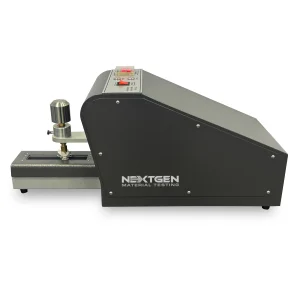
The equipment path for BS 1006-D02 is centered on a crockmeter (rubbing fastness tester) configured for controlled linear rubbing with repeatable load and stroke.
| Equipment / item | What it’s used for |
|---|---|
| Crockmeter (manual or motorized) | Applies a repeatable rubbing action with controlled stroke, load, and rub count. |
| Rubbing finger / rubbing head and weights | Maintains the required contact geometry and normal force. |
| White rubbing cloth | Captures transferred colour for staining assessment. |
| Specified organic solvent(s) and handling accessories | Introduces the solvent condition intended to simulate spot-cleaning exposure. |
| Grey scales and controlled viewing setup | Grades staining and change in colour consistently across operators/labs. |
If you are specifying a new crockmeter or need a motorized configuration to match throughput and repeatability targets, you can request pricing for a compliant crockmeter setup.
How to Read This Designation or Revision
“BS 1006-D02” refers to Part D02 within the BS 1006 colour fastness methods, focused on rubbing in the presence of organic solvents.
In many specifications, BS 1006 part designations have been replaced by later adoptions aligned to the ISO 105 series (for example, ISO/EN/BS EN ISO documents with the same “D02” part identifier). If a contract document cites BS 1006-D02 without an edition date, it is good practice to align on the exact referenced document before testing.
Related Standards, Methods, or Frameworks when useful
Depending on the product and end-use, BS 1006-D02 may be used alongside other colour fastness methods such as dry/wet rubbing methods without solvent exposure, wash fastness, water fastness, perspiration fastness, and light fastness requirements.
Because different rubbing methods can use different apparatus settings and assessment practices, avoid mixing results across methods unless the specification explicitly allows it.
Talk to a testing specialist
If you are updating a test plan from a legacy BS 1006 callout to a newer ISO/EN/BS EN ISO designation, or you need help selecting crockmeter options that match your lab’s workload and reporting needs, contact our team.