EN ISO 13937-1 specifies an Elmendorf (ballistic pendulum) method for determining the tear force of textile fabrics. It is widely used to compare tear performance between fabric constructions, finishes, and production lots when a tear is initiated and then propagated under controlled conditions.
This standard is typically referenced for woven fabrics and other sheet-like textile materials where an Elmendorf-style tear result is requested in product specifications, supplier qualification, or incoming inspection. If you need help aligning your requirement to the correct edition and lab setup, talk with our team.
EN ISO 13937-1: Textiles — Tear properties of fabrics — Part 1 (Elmendorf method)
EN ISO 13937-1 is a part-standard focused specifically on tear force determination using a ballistic pendulum (Elmendorf) tear tester. It is used when a fast, repeatable tear-force comparison is needed for fabric quality control and product performance documentation.
The standard defines the method framework and the type of apparatus used, but it should be used alongside the official document for exact specimen details, conditioning, and reporting requirements.
Quick Definition
Standard type: Test method (tear force by ballistic pendulum / Elmendorf).
What it measures: The force associated with propagating a tear that has been initiated in a fabric specimen under specified test conditions.
Typical output: Tear force results used for comparison, specifications, and batch release decisions.
What This Standard Covers
EN ISO 13937-1 covers determination of tear force using an Elmendorf-style pendulum instrument, where a clamped fabric specimen is torn as the pendulum swings through a defined arc. The method is commonly selected when purchasers or internal specifications call for “Elmendorf tear” or “pendulum tear” results.
This part is focused on the pendulum method (not a tensile-tester tear method), so equipment selection and lab workflow are centered on an Elmendorf tear tester and appropriate specimen preparation tools.
Why This Standard Matters in Testing
Tear performance is a practical durability indicator for many fabrics because small cuts, punctures, or seam-edge damage can turn into a running tear in service. EN ISO 13937-1 is often used to screen material options and to maintain consistency across production by monitoring tear-force trends over time.
Because tear results can be sensitive to fabric direction and construction, this standard is frequently used as a comparative tool for QA/QC and supplier agreements rather than as a single pass/fail number without context.
Common Materials, Product Types, or Applications Covered
EN ISO 13937-1 is commonly applied to textile fabrics used in:
-
Workwear and protective garments (base fabrics and reinforcements)
-
Outdoor and technical textiles (shell fabrics, tent and pack fabrics)
-
Upholstery and furnishing fabrics
-
Industrial fabrics where tear propagation is a concern during handling and use
When a purchaser specification explicitly calls out the Elmendorf method, EN ISO 13937-1 is often the referenced framework for test execution and reporting.
Common Test or Verification Workflow
A typical EN ISO 13937-1 workflow includes preparing specimens in the required orientation(s), introducing the specified tear initiation, and testing multiple specimens to obtain representative tear-force results for the material lot.
Common workflow use cases: Incoming inspection, supplier qualification, process change validation (fiber, weave, coating/finish), and comparison of candidate fabrics during R&D.
If you are unsure whether Elmendorf tear is the right choice versus a tensile-tester tear method from other parts of the ISO 13937 series, contact our team to talk through your material type and reporting requirement.
Equipment Commonly Used for This Standard
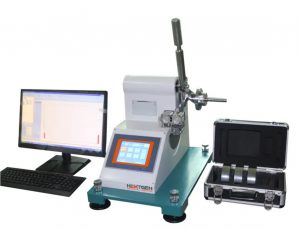
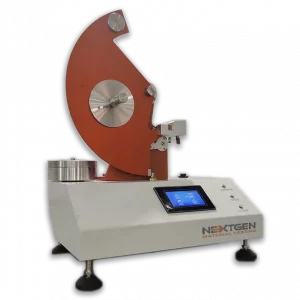
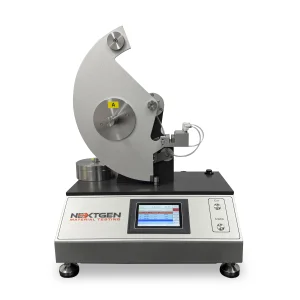
EN ISO 13937-1 is most directly associated with an Elmendorf (ballistic pendulum) tear testing instrument and supporting specimen preparation tools.
Common equipment: Elmendorf tear tester (ballistic pendulum), clamping jaws/fixtures supplied with the instrument, specimen cutting tools/dies, and verification accessories used for routine performance checks (as defined by your lab quality system and the instrument manufacturer’s instructions).
For labs setting up or upgrading an Elmendorf tear station, key practical choices often include capacity range, readability/data capture options, and how verification is handled in day-to-day QC. When you are ready to compare configurations, you can request a detailed quote for an Elmendorf tear setup matched to your materials and throughput.
How to Read This Designation or Revision
Designation: “EN ISO 13937-1” indicates the European adoption (EN) of the International Standard (ISO) for textiles tear properties, Part 1.
Edition and year: This standard is commonly cited with a year (for example, “EN ISO 13937-1:2000”). Test conditions and reporting expectations can depend on the exact edition and any published corrigenda, so the cited year should be matched to the requirement in contracts, technical files, or customer specifications.
Related Standards, Methods, or Frameworks
EN ISO 13937-1 is one part of a broader ISO 13937 tear-test series. Other parts address tear-force determination using different specimen shapes and, in some cases, different equipment platforms than a ballistic pendulum tester.
Where multiple tear methods are acceptable, selecting the correct part typically depends on the material type, the purchaser’s required method name, and what equipment the lab is expected to use.
Get help selecting an EN ISO 13937-1 test setup
If you need an Elmendorf tear tester for EN ISO 13937-1 work, we can help you size the instrument capacity and options for your fabric range and QC workflow. To move forward with pricing and configuration, request pricing.