ISO 4674-2 specifies a ballistic pendulum test method for measuring tear resistance in rubber- or plastics-coated fabrics using a notched test piece and a dynamic (impact) force.
This method is commonly used when you need a fast, repeatable tear-resistance result for coated textile materials, including tests on standard-conditioned specimens or specimens that have been pre-treated (for example, by water immersion). If you need help matching your product and reporting requirements to the right edition and setup, talk with our team.
ISO 4674-2:2021 Rubber- or plastics-coated fabrics — Determination of tear resistance — Part 2: Ballistic pendulum method
ISO 4674-2 is an International Standard focused on tear resistance testing for coated fabrics using a ballistic pendulum approach. It is one part of the ISO 4674 tear-resistance series and is intended for laboratory testing of coated textile constructions.
The ballistic pendulum method is typically selected when a dynamic tear event is relevant to performance requirements and when results from constant-rate tear methods are not interchangeable with the pendulum-based results.
Quick Definition
ISO 4674-2 defines a dynamic tear-resistance test where a pendulum applies an active force to a notched coated-fabric specimen, and the measured response is used to report tear resistance for that method.
What This Standard Covers
This standard covers a tear-resistance determination based on applying an active force to a notched test piece using a ballistic pendulum. The test may be performed on specimens conditioned in a standard atmosphere, or after pre-treatment such as water immersion.
Because this is a pendulum-based (dynamic) method, the results are method-specific and are not intended to be compared directly with constant-rate-of-tear methods.
Why This Standard Matters in Testing
Tear resistance is a common acceptance and design parameter for coated fabrics where edge damage, nicks, or cuts can propagate during handling or service. ISO 4674-2 provides a standardized way to generate comparable results between batches, suppliers, and production conditions when this specific pendulum method is cited.
For purchasing and quality teams, the key practical point is method alignment: when ISO 4674-2 is called out, using a different tear method can produce values that do not correlate, even if the units look similar.
Common Materials, Product Types, or Applications Covered
ISO 4674-2 applies to rubber- or plastics-coated fabrics, which are often textile substrates combined with polymer or rubber coatings. These materials are used in many industrial and commercial products where coating integrity and mechanical durability are important.
Common examples: PVC- or PU-coated textiles, rubber-coated fabrics, and other coated technical textiles used in items such as covers, curtains, flexible barriers, and other coated-fabric assemblies where tear performance is specified.
Common Test or Verification Workflow
Most ISO 4674-2 workflows are run as incoming inspection, supplier qualification, or product validation for coated-fabric constructions. The work typically includes specimen preparation with the required notch geometry, conditioning and/or pre-treatment (as specified by the requirement), and then pendulum testing with standardized reporting for that method.
Practical caution: The exact conditioning or pre-treatment condition (for example, standard atmosphere vs. water immersion) can materially change results. For comparable data, keep the cited condition consistent across lots and labs.
Equipment Commonly Used for This Standard
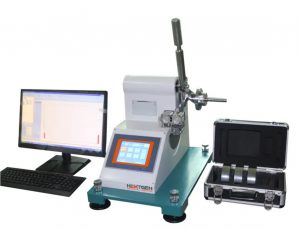
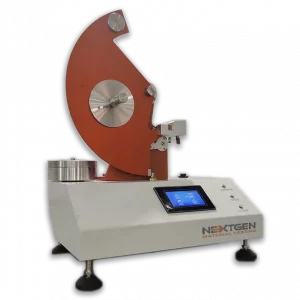
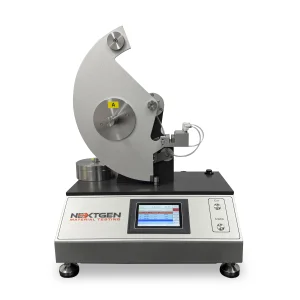
ISO 4674-2 is equipment-specific in the sense that it relies on a ballistic pendulum apparatus designed for tear-resistance testing of notched specimens.
Common equipment: Ballistic pendulum tear tester (with appropriate clamping and pendulum energy range), specimen cutting tools/templates for repeatable notches, and basic conditioning or pre-treatment capability (such as controlled atmosphere conditioning and immersion tanks) when required by the test plan.
When quoting or configuring equipment, the most important selection items are typically the pendulum capacity/energy range appropriate for your material strength, the clamping/specimen-holder design for coated textiles, and calibration/verification practices that support consistent readings over time.
How to Read This Designation or Revision
ISO 4674-2 identifies Part 2 of the ISO 4674 series for coated-fabric tear resistance, and the suffix :2021 indicates the 2021 published edition. This edition replaced the earlier ISO 4674-2:1998 publication.
Purchase specifications and customer drawings may cite ISO 4674-2 without a year, or may specify an edition year. For consistent results and defensible compliance, align your lab setup, conditioning/pre-treatment choice, and reporting to the exact edition referenced in the requirement.
Related Standards, Methods, or Frameworks
ISO 4674-2 is part of the ISO 4674 tear-resistance series for rubber- or plastics-coated fabrics. In many technical specifications, ISO 4674-2 may be used alongside other mechanical property tests for coated fabrics to build a broader performance profile.
Common related reference: ISO 4674-1 (constant rate of tear methods) is frequently used when a constant-rate tear method is specified instead of a pendulum method; results between these approaches are not interchangeable.
Get help selecting a tear tester configuration
If you are equipping a lab for ISO 4674-2 and need to match pendulum capacity, clamping, or verification needs to your coated-fabric tear range, you can request a detailed quote for an equipment package aligned to your workflow.