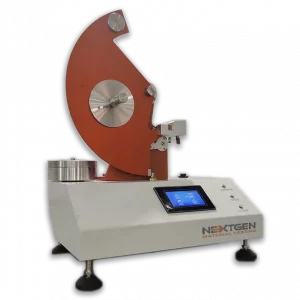
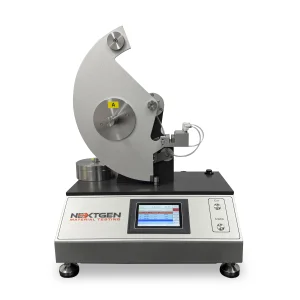
APPITA P 400 is an APPITA pulp-and-paper testing method associated with measuring the out-of-plane tearing resistance of paper using an Elmendorf-type pendulum tearing tester.
Labs typically use this method to compare paper grades, monitor converting performance, and support QA/QC decisions where tear performance matters (for example, bag and packaging papers). If you need help matching your product and tear range to the right test setup, you can talk with our team.
APPITA P 400 — Determination of tearing resistance (Elmendorf method)
APPITA P 400 is commonly referenced in pulp-and-paper laboratories as an Elmendorf tear method for paper. In practice, it is frequently cited alongside later Australian/New Zealand adoptions aligned to ISO 1974 (Elmendorf tear) for paper.
Quick Definition
Measures the resistance of paper to tear propagation using a pendulum (Elmendorf) tearing tester, producing a tearing resistance result used for product comparison and process control.
What This Standard Covers
This standard covers laboratory determination of out-of-plane tearing resistance of paper using an Elmendorf-type instrument. The method is primarily intended for sheet materials where tear propagation is a meaningful performance property.
Depending on the material and tear level, testing may involve single or multiple plies to keep results within the instrument’s usable range.
Why This Standard Matters in Testing
Elmendorf tear is widely used as a practical indicator of how paper behaves when a tear starts during handling, converting, or end use. It is often used for:
- Comparing tear performance between grades, furnishes, or process conditions
- Routine quality control trending
- Supplier/customer specifications where tear resistance is a required property
Common Materials, Product Types, or Applications Covered
APPITA P 400 is most commonly applied to paper, and may be used for low-grammage board when the tear level is suitable for the instrument range.
Common examples: Packaging and sack papers, bag papers, printing and publication papers, and other grades where tear propagation resistance is used as a strength-related quality metric.
Common Test or Verification Workflow
Elmendorf tear testing is typically run as a controlled lab workflow to keep specimen handling and conditioning consistent.
Common workflows: Condition specimens to the lab’s standard atmosphere, cut test pieces to the required geometry, introduce the starter cut (as applicable), clamp in the tearing tester, release the pendulum to propagate the tear, record the indicated tearing result, and report results in the units required by the customer or internal specification.
Equipment Commonly Used for This Standard
Equipment selection is mainly driven by tear-force range, repeatability requirements, and how your lab wants to manage data capture and audit trails.
Common equipment: Elmendorf pendulum tearing tester (manual or automatic), specimen cutter and/or notch cutter suited to the method, verification/calibration weights, and a conditioning space/chamber used for paper testing.
If you are standardizing across multiple tear ranges or want an automated model with digital reporting, you can request a detailed quote for a configuration matched to your sample types and throughput.
How to Read This Designation or Revision
Designation: “APPITA P 400” is commonly used as a method identifier for Elmendorf tear testing in the APPITA method series for pulp and paper.
Revision sensitivity: Method details and reporting expectations may depend on the exact edition being cited (including any “P400s” legacy citations). When purchasing equipment or writing a test plan, align the instrument capability and lab procedure to the specific edition named in your customer or internal requirement.
Related Standards, Methods, or Frameworks
APPITA P 400 is often referenced in the same context as other Elmendorf tear methods for paper, including ISO 1974 and regional equivalents used in paper testing laboratories.
Get help selecting an Elmendorf tear test setup
If you need to match a pendulum range, specimen preparation tools, or reporting workflow to an APPITA P 400 requirement, contact our team with your material type, basis weight range, and expected tear levels.