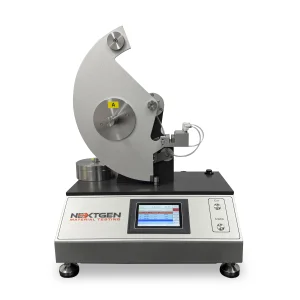
GB/T 455 is a Chinese national recommended standard for determining the tearing resistance of paper and paperboard.
It is commonly used for incoming material qualification, product release testing, and process control where tear strength is a functional requirement for printing, converting, packaging, and technical papers. If you need help aligning your product specification to the correct edition and setup, you can talk with our team.
GB/T 455 — Paper and board—Determination of tearing resistance
GB/T 455 specifies a standardized approach for measuring the resistance of paper and board to tear propagation. Results from this method are widely used as a comparative strength indicator across grades, directions, and manufacturing conditions.
In most laboratory workflows, this is treated as a physical performance test that supports material selection and quality control rather than a product specification by itself.
Quick Definition
GB/T 455 is a test method standard for measuring tearing resistance of paper and paperboard using an Elmendorf-type tearing apparatus (pendulum tear method).
What This Standard Covers
This standard focuses on tear propagation resistance of sheet materials in the paper and paperboard category.
- Determination of tearing resistance using an Elmendorf-type pendulum tester
- Typical lab reporting of tearing resistance values (and, where required by the product spec, tear index based on grammage)
- Use of conditioned test pieces and repeat testing to obtain representative values
Because product requirements differ by grade, the exact specimen layering/stacking approach, directionality (machine direction vs cross direction), and reporting conventions are often driven by the purchasing specification or the customer’s cited edition of GB/T 455.
Why This Standard Matters in Testing
Tear resistance is a practical durability metric for paper and board that are expected to withstand handling, converting, and end-use stresses. It is frequently used to:
- Compare pulp furnish changes, refining, and basis weight effects
- Screen supplier lots and manage variability over time
- Support corrective actions when tearing, edge damage, or runnability problems appear in production
For packaging and converting operations, tear results are often reviewed alongside tensile, burst, and compression-related metrics to build a fuller strength profile.
Common Materials, Product Types, or Applications Covered
GB/T 455 is commonly applied to a wide range of paper and board materials where tear performance is relevant, including:
- Printing and writing papers
- Wrapping and packaging papers
- Paperboard used in packaging structures (where sheet tear is a meaningful performance indicator)
- Technical papers where tear resistance is part of functional durability
In procurement and QA/QC, the most important practical step is matching the material category and the cited edition requirements to the test configuration used in your lab.
Common Test or Verification Workflow
Most labs run GB/T 455 as a controlled, repeatable bench test with standardized conditioning and specimen preparation.
Common workflow: Condition specimens; prepare and identify test direction; run multiple replicates on an Elmendorf tear tester using an appropriate capacity/range; calculate and report tearing resistance (and, when required, tear index using grammage from a companion method).
What usually drives variability: Moisture/conditioning control, sample directionality, instrument capacity selection, blade/sharpness and clamping condition, and whether the test uses single sheets or a defined number of plies to keep readings in a suitable measurement range.
Equipment Commonly Used for This Standard
GB/T 455 most directly points to an Elmendorf-type pendulum tearing tester configured for paper and paperboard.
- Elmendorf tearing tester (pendulum type): With proper clamping, slit/cutting capability, and calibrated pendulum capacity suitable for the expected tear strength
- Specimen preparation tools: Cutting dies/templates and tools to produce consistent specimen geometry required by the cited edition
- Conditioning capability: A controlled environment or conditioning chamber to bring specimens to the required pre-test moisture equilibrium
- Calibration/verification accessories: As needed to support periodic instrument checks and traceable calibration programs
If you are selecting a new tear tester or retrofitting an existing unit, the key quoting details are typically sample range (paper vs heavier board), target force range/capacity, how your lab handles multi-ply testing to stay in range, and how you plan to document calibration and verification.
How to Read This Designation or Revision
Designation: “GB/T” identifies a recommended national standard of China, and “455” is the standard number for the tearing resistance method for paper and board.
Edition sensitivity: Many contracts cite a year (for example, GB/T 455-2002). A newer edition, GB/T 455-2026, has been issued with an implementation date of 2026-11-01, so it is important to test and report to the exact edition referenced in your specification or customer requirement.
Related Standards, Methods, or Frameworks
GB/T 455 is closely aligned with international practice for Elmendorf tear testing and is commonly used alongside other paper physical-property methods in a materials qualification program.
- ISO 1974: International Elmendorf tearing resistance method (often referenced for cross-border equivalency discussions)
- Conditioning references (as cited within GB/T 455 editions): Commonly used to define pre-test atmosphere and conditioning requirements for paper testing
- Grammage methods: Often used when tear index (tear normalized by basis weight) is required by the product specification
When a purchase specification lists multiple paper strength metrics, align test directions, conditioning, and reporting units across methods to avoid mismatched acceptance decisions.
Request equipment support for GB/T 455 testing
If you are configuring an Elmendorf tear tester for paper or paperboard ranges, you can request a detailed quote for an instrument and accessories package that matches your sample types, capacity needs, and calibration expectations.