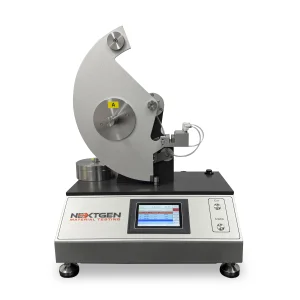
SCAN P 11 is a SCAN test method used to determine the tearing resistance (tear strength) of paper and board using an Elmendorf-type tearing tester.
This method is commonly used in paper and packaging quality control to compare furnish changes, refining, basis weight effects, and process adjustments that influence resistance to tear propagation. If you need help mapping SCAN P 11 results to your product requirements or selecting the right setup, talk with our team.
SCAN P 11 — paper and board tear resistance (Elmendorf method)
SCAN P 11 is used when you need a standardized, comparable tear measurement for paper or board. In practice, it supports routine QC, supplier qualification, and product development work where tear performance is a key durability metric.
Tear results are often expressed and tracked as tear force and/or tear index (tear strength normalized by grammage), depending on the reporting convention used by the lab and the referenced document edition.
Quick definition
What it is: A standardized tear test for paper and board using an Elmendorf pendulum instrument.
What it measures: Resistance to propagation of a pre-initiated tear (tear strength / tearing resistance).
Typical use: Paper and packaging materials QC and benchmarking.
What this standard covers
SCAN P 11 covers tear testing of sheet materials in the paper and board category using the Elmendorf principle. The method is built around initiating a tear and measuring the energy/force associated with continuing that tear over a defined distance with a pendulum-type device.
Because tear properties are direction-dependent for many grades, labs commonly test in both machine direction (MD) and cross direction (CD) when the purchase specification or product standard requires it.
Why this standard matters in testing
Tear strength is a practical durability indicator for many paper and board products, especially where handling, converting, and end-use involve snagging or tear initiation (packaging performance, converting runnability, and damage resistance in shipping).
In manufacturing and R&D, SCAN P 11 testing is often used to monitor how fiber selection, refining, filler level, and formation changes influence tear performance, alongside tensile and burst properties.
Common materials, product types, or applications covered
SCAN P 11 is most commonly applied to paper and board grades where tear performance is a purchase or performance requirement.
-
Packaging papers and boards: linerboard components, carton board, and other packaging sheet materials where tear propagation resistance is important.
-
Printing and writing papers: grades where tear index may be tracked as part of strength balance (tear vs. tensile) during process optimization.
-
Specialty papers: products where robustness during handling or downstream converting is sensitive to tear performance.
Common test or verification workflow
Most labs run SCAN P 11 as a controlled, repeatable QC method with consistent sampling, conditioning, and specimen preparation.
Common workflow: Condition samples as required by the lab’s paper testing practice, prepare specimens using a tear sample cutter/template, mount multiple plies as applicable to the instrument range, run Elmendorf tear measurements, then report tear values (and tear index when required) with clear identification of direction (MD/CD) and specimen details.
Practical caution: Tear results are highly sensitive to specimen prep (clean, consistent notches/cuts), ply count selection, instrument range selection, and whether the grade tends to exhibit “ragged” tearing behavior—so the exact setup and reporting expectations should match the cited SCAN P 11 edition and the customer specification.
Equipment commonly used for this standard
SCAN P 11 typically points to a pendulum-type Elmendorf tearing resistance tester and supporting accessories that control specimen geometry and measurement repeatability.
Common equipment: Elmendorf tear tester (pendulum instrument), suitable pendulum(s)/capacity range(s) for the grade being tested, specimen clamping components, and a certified calibration/verification mass set where required by lab quality procedures.
Common accessories: Tear specimen cutter (to produce consistent specimen size and tear initiation features), cutting dies/templates, and tools for routine checks and documentation.
If you are comparing capacity ranges, automation options, or specimen prep accessories for your grade and basis weight range, you can request a detailed quote for a configuration matched to your workflow.
How to read this designation or revision
SCAN methods are commonly cited with a series letter and number, and many are also cited with a year suffix indicating the edition.
Common citation format: SCAN-P 11 (often seen as SCAN-P 11:96 in technical documentation and specifications).
Revision sensitivity: Equipment setup choices (such as ply count guidance, reporting format, and any alignment with other frameworks) can depend on the exact cited edition, so procurement and QA documentation should reference the same edition used for acceptance testing.
Related standards, methods, or frameworks when useful
SCAN P 11 is frequently discussed alongside other Elmendorf tear frameworks used internationally for paper testing, especially where global supply chains require cross-referencing test methods.
Common related method: ISO 1974 is widely used for paper tear resistance by the Elmendorf method, and SCAN P 11 is often referenced in contexts that also reference ISO 1974.
Talk to a test equipment specialist
If you need to match an Elmendorf tear tester range, specimen cutter, or verification approach to the SCAN P 11 citation in your customer or internal specification, contact our team for practical guidance on configuration and documentation.