DIN 53862 is a legacy DIN test method for determining the tear resistance of woven textile fabrics using a falling-pendulum (Elmendorf) tearing tester. It is commonly referenced when a quick comparative tear-performance check is needed for woven goods used in apparel, industrial textiles, and related fabric-based products.
This document has been withdrawn and was replaced by DIN EN ISO 13937-1, so it is important to match the exact edition and acceptance criteria required by your customer, internal specification, or contract. If you need help mapping a cited requirement to the right current method and test setup, talk with our team.
DIN 53862: Testing of textiles — Elmendorf tear resistance of woven fabrics
DIN 53862 describes an Elmendorf (falling pendulum) approach for measuring tear resistance on woven fabrics. The method is widely recognized as an impact-type tear evaluation that supports material comparison, incoming inspection, and specification compliance checks when tear resistance is a defined performance attribute.
Because DIN 53862 is withdrawn and replaced, many labs use the successor standard for current testing while still needing to report results in the context of historical references or legacy specifications.
Quick definition
Document type: Test method.
Primary purpose: Determine tear resistance of woven fabrics using an Elmendorf falling-pendulum tearing tester.
Typical output: A reported tear resistance value used for comparison or compliance to a cited requirement (format depends on the governing document and any customer-specific reporting rules).
What This Standard Covers
DIN 53862 focuses on tear resistance determination for woven textile fabrics using a pendulum device that propagates a tear from a prepared cut/slit under a sudden applied force. The method is generally used when an Elmendorf-style tear result is specified for woven materials.
This standard is method-specific (falling pendulum / Elmendorf) rather than a general “tear strength” umbrella; if a contract calls for another tear method (for example, tongue, trouser, or trapezoid tear), the equipment and specimen preparation can be different.
Why This Standard Matters in Testing
Elmendorf tear testing is often selected to screen woven fabric constructions and finishing treatments for resistance to tear propagation. It can be used to compare production lots, evaluate supplier changes, qualify alternates, and support product-development decisions where tear performance is tied to durability or service life.
For buyers and lab managers, the key practical point is traceability: the cited standard edition (and any successor standard referenced by the customer) can drive differences in specimen handling, reporting conventions, and acceptance language.
Common Materials, Product Types, or Applications Covered
DIN 53862 is associated with woven textile fabrics. In practice, Elmendorf-style tear testing is frequently used for woven apparel fabrics, technical woven fabrics, and woven constructions used in industrial applications where tear propagation resistance is a specified attribute.
If your material is not a woven fabric (for example, nonwovens, films, coated composites, or multi-layer laminates), make sure the cited requirement is still appropriate—many specifications point to a different standard or a different tear method for those product types.
Common Test or Verification Workflow
Most labs use DIN 53862 in a straightforward verification workflow that links the test request to the exact cited document and reporting needs.
Common workflow: Confirm the cited edition and any customer deviations, condition specimens if required by the governing program, prepare specimens for an Elmendorf tear measurement, run replicate tests on a calibrated falling-pendulum tear tester, then report results in the format required by the purchaser/specification.
Equipment Commonly Used for This Standard
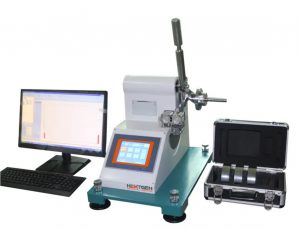
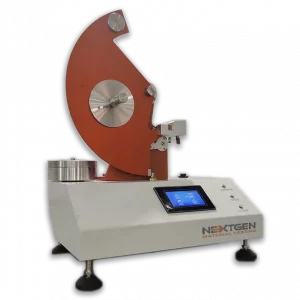
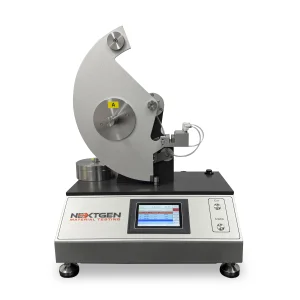
DIN 53862 points to an Elmendorf falling-pendulum tearing tester configured for woven-fabric testing. The most important selection factor is choosing a tester and pendulum range that can produce valid readings for the expected tear resistance range of your fabric set.
Common equipment: Elmendorf (falling pendulum) tearing tester; appropriate pendulum(s)/capacity range; specimen cutting tools/templates appropriate for Elmendorf-style tear specimens; basic specimen conditioning capability when required by the governing quality system.
If you are outfitting a lab for routine Elmendorf tear testing or adding capacity ranges for a wider product mix, you can request a detailed quote for an Elmendorf tearing tester configuration matched to your materials and throughput.
How to Read This Designation or Revision
DIN standards are often cited by designation and (when provided) a date-based edition. DIN 53862 is commonly encountered as DIN 53862 with an edition date tied to the legacy publication.
Revision sensitivity: DIN 53862 is withdrawn and was replaced by DIN EN ISO 13937-1. When a customer or internal spec cites “DIN 53862” without an edition date, align on whether they accept results generated to the replacement standard and how the report should be labeled.
Related Standards, Methods, or Frameworks
DIN 53862 is specifically tied to the Elmendorf (falling pendulum) tear approach. The most relevant related reference for many current programs is the replacement standard DIN EN ISO 13937-1, which is typically used when a current, maintained standard is required.
Other tear methods (such as tongue, trouser, or trapezoid tear) are not interchangeable with Elmendorf results; confirm the required method before selecting fixtures or quoting equipment.
Get help selecting an Elmendorf tear testing setup
If you need to match an Elmendorf tearing tester to a specific fabric range, reporting requirement, or legacy DIN citation, contact our team to review your application and recommend a practical configuration.