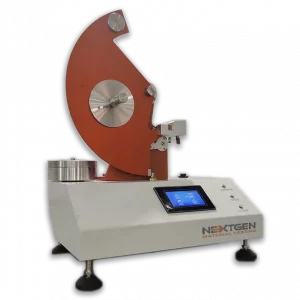
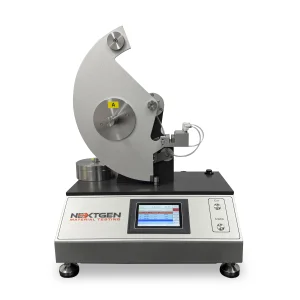
ASTM D689 is a standardized test method for measuring the internal tearing resistance of paper using an Elmendorf-type tearing tester. It is commonly used in paper manufacturing, converting, and packaging QA/QC to compare tear performance between lots, suppliers, or process changes.
If you need help mapping this method to your paper grade, ply count, or expected tear range, talk with our team about a practical setup for your lab workflow.
ASTM D689 — Standard Test Method for Internal Tearing Resistance of Paper
ASTM D689 is a paper strength-related test method focused on tear propagation once a tear has been initiated. The method uses an Elmendorf pendulum instrument to tear a specimen through a specified distance and reports the tearing force (and, where applicable, an estimated single-sheet tearing resistance when multiple sheets are tested together).
Quick definition
What it is: A test method for internal tearing resistance of paper using an Elmendorf-type tearing tester.
What it measures: The force required to propagate a tear through paper, perpendicular to the plane of the sheet, after the tear has been started.
Typical output: Tearing resistance/tear strength values used for comparison across materials, lots, or process conditions (as defined by the standard).
What This Standard Covers
ASTM D689 describes an Elmendorf-tear procedure where one or more sheets are clamped in the instrument, a tear is initiated, and the pendulum’s energy loss is used to determine the tearing force over a defined tearing distance. The method is commonly applied across a wide range of paper grades.
This method is not intended for every paper/board construction. For example, it is specifically noted as not suitable for determining cross-directional tearing resistance of highly directional boards and papers.
Why This Standard Matters in Testing
Internal tearing resistance is often used alongside other paper strength tests to help predict end-use performance, especially where tearing during handling, converting, or in-service use is a concern. Consistent use of a recognized method like ASTM D689 supports more defensible comparisons across suppliers, production lines, fiber blends, refining changes, and basis-weight shifts.
Common Materials, Product Types, or Applications Covered
ASTM D689 is commonly associated with paper materials where tear propagation behavior is important for product performance and manufacturability.
-
Paper and paper-based materials: Printing and writing papers, packaging papers, and other paper grades where tearing resistance is a meaningful quality attribute.
-
Operations where tear issues show up: Converting, cutting, folding, handling, and packaging operations where a small defect or nick can propagate into a tear.
Common Test or Verification Workflow
While the official document defines the required details, ASTM D689 is typically used in a straightforward QA/QC workflow: prepare specimens, run replicate tear measurements on an Elmendorf tear tester, and report results in the format and units required by the standard or by the purchasing specification.
Common workflow goal: Compare tearing resistance across lots, grades, suppliers, or machine-direction/cross-direction samples where applicable to the product and the standard’s suitability limits.
Equipment Commonly Used for This Standard
ASTM D689 is equipment-driven: instrument capability and the selected measurement range strongly influence day-to-day usability and data quality.
-
Elmendorf-type tearing tester: A pendulum tear instrument designed for paper tear measurements, with appropriate capacity/ranges for the paper grades being tested.
-
Specimen preparation tools: Cutting tools/dies and templates suitable for producing repeatable specimens that match the standard’s required geometry.
-
Calibration/verification accessories: Items used to support instrument verification and ongoing control of measurement performance (as required by your quality system and the standard).
Practical selection note: If your lab tests very light papers and heavier boards, confirm the instrument range strategy (or multiple pendulums/ranges) early so you are not forced into off-range testing or excessive sheet stacking.
How to Read This Designation or Revision
ASTM standards are typically cited by designation and edition year (for example, ASTM D689-17). Some citations also include a reapproval year in parentheses or as an “R” suffix, indicating the year the standard was last reapproved without a full technical revision (for example, D689-17(2024) or D689-17R24).
Revision sensitivity: For purchasing specs, audits, or inter-lab comparisons, match the exact cited edition/reapproval because procedural details, reporting, and suitability statements can change between editions.
Related Standards, Methods, or Frameworks
Elmendorf-type tear measurements for paper are also commonly referenced in other standards ecosystems. ASTM D689 itself notes similar procedures in ISO 1974 and TAPPI T414, which may appear in customer specifications depending on region and industry.
Get help selecting an ASTM D689 test setup
If you are equipping a lab or upgrading an Elmendorf tear tester for ASTM D689 work, you can request a detailed quote with the measurement range and accessories matched to your paper grades and throughput.