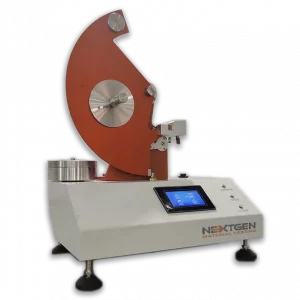
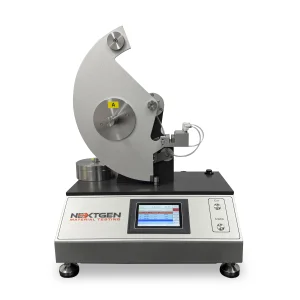
EN 21974 is a paper-testing standard for determining tearing resistance using the Elmendorf (pendulum) tear method. It is commonly used for quality control and product qualification of paper and some light boards where tear strength is a performance requirement.
Because many specifications and customer drawings cite this method by designation, labs and suppliers often need help matching the cited edition to the correct instrument range, calibration approach, and reporting format. If you are working from a purchaser or regulatory reference and want to confirm what applies to your product, talk with our team.
EN 21974: Paper – Determination of tearing resistance (Elmendorf method)
EN 21974 describes an Elmendorf-type tearing resistance test using a single-tear apparatus. In practice, the result is used to compare paper grades, monitor production consistency, and demonstrate conformance when a product standard or packaging requirement calls up tear performance.
| Item | What it means for buyers and labs |
|---|---|
| Document type | Test method (instrumented pendulum tear) |
| Primary property | Tearing resistance / tear strength (Elmendorf) |
| Materials | Paper; may also be applied to light boards within the instrument range |
| Status in many national catalogs | Withdrawn / superseded; commonly replaced by EN ISO 1974:2012 |
Quick Definition
EN 21974 is an Elmendorf pendulum tear test method used to measure the force/work associated with propagating a tear in paper test pieces prepared and conditioned in a controlled way.
What This Standard Covers
This standard focuses on determining tearing resistance using an Elmendorf-type “single tear” apparatus. It addresses the typical elements a lab needs to run consistent tear testing, including apparatus, sampling, conditioning, specimen preparation, test procedure, calculation/reporting, and calibration-related guidance.
What it does not do: It does not define broader paper performance requirements on its own; it is typically referenced by a product specification, internal QC plan, or customer requirement that sets acceptance criteria.
Why This Standard Matters in Testing
Tearing resistance is a practical durability indicator for paper products that must withstand handling, converting, or in-use forces (for example, tearing during opening, forming, or transport). When EN 21974 is called out, it usually means the buyer wants a comparable, repeatable tear result produced on a recognized Elmendorf setup rather than an informal “tear by hand” assessment.
Procurement impact: For suppliers, the cited designation often becomes part of a certificate of analysis (CoA) or quality dossier, and it can influence lot release testing and supplier qualification.
Common Materials, Product Types, or Applications Covered
EN 21974 is most commonly associated with paper and paper-like sheet materials where tear propagation is a meaningful property.
- Packaging papers and wrap materials
- Industrial papers used in converting (cutting, slitting, forming, printing, laminating)
- Medical or clean packaging materials where tear performance is one element of physical integrity testing (when specified by the packaging system requirements)
- Light boards, when the tearing resistance falls within the instrument’s usable range
Common Test or Verification Workflow
Most labs run EN 21974 as a controlled, repeatable bench test with standardized conditioning and specimen preparation to reduce variability.
Common workflow: Sample selection and identification, conditioning to a specified atmosphere, preparation of standardized test pieces, tearing on an Elmendorf tester, calculation/expression of results, and documentation in a test report.
Common reporting needs: Many purchasing documents require you to report the test direction (e.g., machine direction vs. cross direction when applicable), the instrument capacity/range used, and the specific edition cited in the contract.
Equipment Commonly Used for This Standard
EN 21974 points most directly to an Elmendorf pendulum tear tester and the supporting tools needed to prepare and condition test pieces consistently.
Common equipment: Elmendorf (pendulum) tear tester with appropriate capacity/range, calibration accessories or verification tools, specimen cutting tools/templates, and a conditioning environment suitable for paper testing.
Selection caution: Equipment configuration is strongly influenced by tear-strength range. Choosing the right pendulum capacity (and confirming the usable measurement range for your material) is often the difference between stable QC data and noisy, non-comparable results.
If you are equipping a lab or upgrading an older tear tester, you can request a detailed quote for a configuration matched to the materials and tear range you need to cover.
How to Read This Designation or Revision
EN 21974 is commonly cited as EN 21974:1994 in older drawings, customer specifications, and legacy QA documents. In many national standards catalogs, EN 21974 has been withdrawn/superseded and replaced by EN ISO 1974:2012 (the EN adoption of ISO 1974).
Revision sensitivity: If a purchase order or regulatory file cites “EN 21974” without a year, confirm whether the intent is the legacy EN designation or the newer EN ISO 1974 edition, since reporting language and referenced supporting documents can vary by edition.
Related Standards, Methods, or Frameworks
EN 21974 is closely associated with ISO 1974 (Elmendorf tearing resistance). In many cases, the currently used reference is EN ISO 1974 rather than the older EN 21974 designation.
Practical tip: When a customer references tear testing for paper packaging, the requirement may appear alongside other physical property tests (such as tensile or burst) in the same qualification plan—each with its own dedicated method and equipment.
Get help selecting an Elmendorf tear testing setup
If you need to match a cited EN 21974 (or EN ISO 1974) requirement to a specific pendulum capacity, calibration approach, and lab workflow, contact our team with your material type, basis weight range, and any acceptance criteria you have been given.