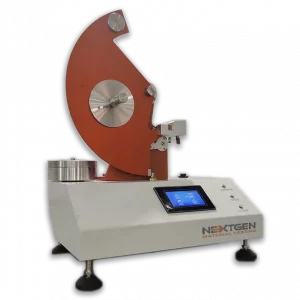
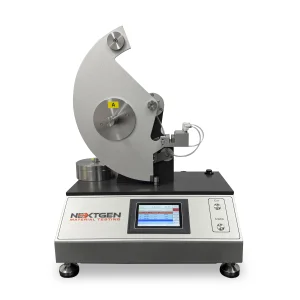
ISO 1974:2012 is an international test method for determining the out-of-plane tearing resistance of paper using the Elmendorf (pendulum) tear method.
It is commonly used in paper quality control and product development to compare tear performance between paper grades, fiber mixes, and converting conditions. If you need help confirming whether Elmendorf tear is the right approach for your material and tear direction, talk with our team.
ISO 1974:2012 — Paper — Determination of tearing resistance — Elmendorf method
ISO 1974:2012 defines a laboratory procedure for measuring paper tear resistance by propagating a tear with an Elmendorf-type pendulum instrument and reporting tearing resistance (and related calculated results, as applicable).
This standard is used when tear strength is a key functional property for handling, converting, packaging performance, and end-use durability of paper products.
Quick definition
What ISO 1974 is: A standardized Elmendorf pendulum tear test method for paper.
What it measures: Out-of-plane tearing resistance (tear propagation) under the defined instrument conditions.
Where it fits: Routine QC testing, supplier qualification, and R&D comparisons of paper structures and furnish changes.
What this standard covers
ISO 1974:2012 covers a method for determining the (out-of-plane) tearing resistance of paper. It can also be used for low-grammage board when the tearing resistance is within the working range of the instrument.
The standard excludes corrugated fibreboard as a complete product (though it may be used on component layers) and notes limitations for highly directional papers when determining cross-direction tearing resistance.
Why this standard matters in testing
Tear resistance is often a go/no-go property for paper that must survive converting steps (slitting, folding, printing, bag-making) and end-use handling without uncontrolled tearing.
Using a standardized Elmendorf method helps teams compare results across shifts, sites, and suppliers when instrument condition, calibration, and reporting are aligned to the cited edition.
Common materials, product types, or applications covered
ISO 1974 is commonly applied to paper grades where tear propagation performance is important, including:
- Printing and writing papers
- Packaging and sack papers (where tear can be a functional requirement)
- Tissue and lightweight papers (when suitable for the instrument range)
- Low-grammage boards (when within instrument range)
For corrugated products, this method is generally used on liner or medium components rather than the assembled board structure.
Common test or verification workflow
A typical ISO 1974 workflow includes selecting representative material, conditioning specimens as required by the lab’s paper-testing practice, preparing test pieces, and running tear tests on an Elmendorf-type instrument.
The standard also includes elements that support repeatable measurement programs, such as apparatus adjustment/calibration and test reporting expectations, which can be important for multi-site QC comparisons.
Equipment commonly used for this standard
ISO 1974 testing is typically performed with an Elmendorf (pendulum) tear tester and the supporting tools needed to produce consistent test pieces and maintain instrument performance.
Common equipment: Elmendorf-type tear tester (pendulum), specimen cutting tools/templates appropriate to the method, and basic lab controls for specimen conditioning and handling.
If you are specifying an Elmendorf tear tester for paper or lightweight board ranges, you can request a detailed quote for a configuration matched to your tear-strength range and throughput needs.
How to read this designation or revision
Designation: ISO 1974:2012 refers to the ISO standard number (1974) and the publication year (2012).
Revision sensitivity: Results and comparability can depend on the cited edition because apparatus requirements, calibration/maintenance expectations, and reporting details may differ between versions.
Current edition note: ISO 1974:2012 is the fourth edition and it replaced ISO 1974:1990.
Related standards, methods, or frameworks
ISO 1974 is frequently specified alongside other paper test methods within a material specification or product qualification plan (for example, combining tear resistance with tensile, burst, thickness, and grammage-related requirements).
When you are building a full paper test plan, the most relevant companion references depend on the product type (printing papers vs. packaging papers vs. component layers) and the properties being controlled.
Talk with us about ISO 1974 testing capability
If you need to match an Elmendorf tear setup to a specific paper grade, tear range, or internal reporting format tied to a cited ISO 1974 edition, contact our team to discuss the right configuration and documentation for your lab.