BS 4468 is a British Standard test method for measuring the internal tearing resistance of paper using an Elmendorf-type tearing tester. It is commonly referenced in paper, print, and packaging quality programs where tear performance is used as a durability and runnability indicator.
Because BS 4468 has been superseded (renumbered to a later BS EN document), buyers often need help aligning the cited edition in a specification with the correct modern equivalent and instrument configuration. If you need help mapping a customer or contract requirement to the right test setup, talk with our team.
BS 4468 (1990) — Method for determination of the internal tearing resistance of paper
BS 4468 describes an Elmendorf-type pendulum tearing test used to quantify the work required to propagate a tear in paper. The result is widely used for comparing paper grades, monitoring production consistency, and verifying tear performance against purchase specifications.
This is a laboratory test method document (not a material specification). It focuses on a defined instrument type, sample conditioning, test-piece preparation, procedure, calculation, and reporting.
Quick definition
BS 4468 is an Elmendorf tear test method for paper that measures internal tearing resistance using a calibrated pendulum tearing tester and standardized test pieces.
What This Standard Covers
BS 4468 is used to determine tearing resistance for paper, and it can be applied to light boards when the measured tearing resistance is within the instrument range.
Important scope limits: It is not intended for corrugated fibreboard as a complete product (though it may be applied to the paper components), and it is not suitable for determining cross-direction tearing resistance of highly directional papers.
Why This Standard Matters in Testing
Tearing resistance is a practical performance property tied to converting and end-use durability. In packaging and printing supply chains, it is often used as an acceptance or benchmarking metric alongside tensile strength, grammage, thickness, and moisture/conditioning controls.
For labs, the key value of BS 4468-style methods is repeatability with a standardized pendulum tester approach, which supports lot-to-lot comparisons and supplier qualification when test conditions are tightly controlled.
Common Materials, Product Types, or Applications Covered
Typical use includes paper used for packaging, printing, stationery, and converting applications where tear resistance helps indicate resistance to handling damage and tear propagation.
When a specification cites BS 4468, it is usually tied to incoming quality control, mill certification checks, or product-change validation (for example, comparing a new furnish or basis weight to an established tear benchmark).
Common Test or Verification Workflow
Most BS 4468 workflows follow a controlled lab routine that includes conditioning the samples, preparing standardized test pieces, running multiple tears per direction as required by the internal procedure, and reporting tearing resistance results with the relevant test conditions.
Common workflow outputs: Internal tearing resistance results for quality trending, comparison of paper grades, and pass/fail checks against purchasing or customer requirements.
Equipment Commonly Used for This Standard
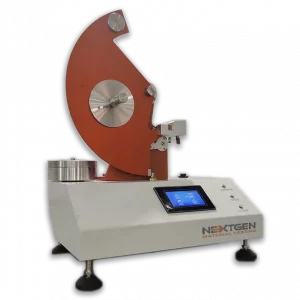
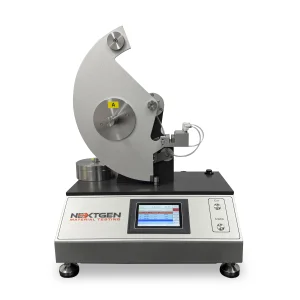
BS 4468 is closely associated with an Elmendorf-type pendulum tear tester and the accessories needed to prepare and run standardized tear specimens.
Common equipment: Elmendorf tear tester (pendulum type), appropriate pendulum capacity/weights for the expected tear range, specimen cutting die or cutter, clamping fixtures supplied with the instrument, and calibration/verification accessories appropriate to the instrument design.
Because the method’s applicability depends on keeping results within the usable measurement range of the instrument, capacity selection (and any available pendulum options) is typically a key purchasing decision. For a buyer comparing capacities or automation options, you can request a detailed quote for an Elmendorf tear tester package aligned to your material range and throughput.
How to Read This Designation or Revision
BS 4468 is commonly seen cited as BS 4468:1969 or BS 4468:1990 in legacy paper and packaging specifications. In later catalog records, it also appears with an amendment notation.
BS 4468 has been superseded and renumbered to BS EN 21974. If a contract, customer drawing, or internal SOP still cites “BS 4468,” it is good practice to clarify whether the requirement intends strict legacy compliance or acceptance of the superseding BS EN / ISO-aligned method.
Related Standards, Methods, or Frameworks when useful
In many test libraries, BS 4468 is aligned with later BS EN and ISO methods for Elmendorf-type tearing resistance of paper. It is also commonly grouped with related paper physical-property methods (such as conditioning and sampling standards) used to control variability and ensure comparable results.
Talk with us about BS 4468 testing setups
If you are updating an SOP, replacing an older tear tester, or translating a BS 4468 callout to a current equivalent for purchasing and QA documentation, contact our team and we will help you align the cited standard, instrument capacity, and lab workflow.