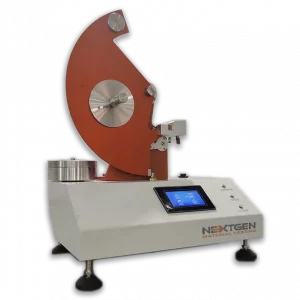
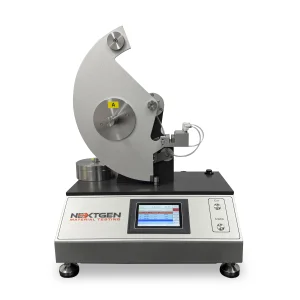
CSA D9 is a Canadian standards-based method designation that is commonly referenced for Elmendorf-style tear resistance testing, especially in paper and paperboard labs that need comparable tear-strength results across sites.
If you are matching an Elmendorf tearing tester configuration (pendulum capacity, clamping, and specimen cutting) to a CSA D9 callout, talk with our team about your material type and expected tear-force range.
CSA D9 — Tear resistance testing (Elmendorf method)
CSA D9 is typically cited where tear resistance is determined using an impact pendulum (Elmendorf principle). In practice, this type of method is used to compare material tear performance for quality control, supplier qualification, and product development.
CSA D9 is often listed alongside other widely used Elmendorf tear references for paper, films, textiles, and related sheet materials. For purchasing and setup, the most important factor is aligning the tester’s capacity and specimen handling with the specific material and the edition your customer or internal SOP calls out.
Quick Definition
What it is: A standards-based method designation commonly used for Elmendorf tear resistance testing.
What it measures: Resistance to propagation of a pre-initiated tear in a sheet specimen using an impact pendulum.
What it’s used for: Comparing tear performance between lots, grades, suppliers, or product designs using a consistent instrumented method.
What This Standard Covers
CSA D9 is used in workflows where tear resistance is determined by releasing a calibrated pendulum through a clamped specimen and calculating the tear resistance from the energy loss during tearing. This style of method relies on consistent specimen size, a controlled initial cut (or pre-cut), and repeatable clamping and release.
Because tear strength can vary widely by material type and basis weight/thickness, correct pendulum selection (capacity range) is central to meeting the intent of the referenced method.
Why This Standard Matters in Testing
Elmendorf tear results are frequently used as acceptance or comparative criteria where a material’s resistance to tearing during converting, handling, packaging, or end use is important. CSA D9 callouts often appear in paper and packaging specifications where continuity with existing Canadian test practices is required.
From a lab-management perspective, repeatability depends heavily on matching the instrument range to the material, maintaining cutting and clamping consistency, and keeping the pendulum and verification weights in calibration.
Common Materials, Product Types, or Applications Covered
CSA D9 is commonly associated with sheet-material tear resistance testing programs, including:
- Paper and paperboard grades (packaging, printing/writing, tissue-related sheet materials)
- Films and thin flexible sheets where an Elmendorf tear method is specified
- Textiles and nonwovens when an impact-pendulum tear method is part of the requirement set
Always match the material category and test direction requirements to the exact CSA D9 citation in the purchase specification or internal procedure.
Common Test or Verification Workflow
Most CSA D9 tear-testing workflows follow a consistent pattern:
- Condition and prepare specimens to the required size and orientation
- Set the correct pendulum capacity (and any added weights) for the expected tear-force level
- Clamp the specimen securely and apply the required initial cut/pre-cut
- Release the pendulum to propagate the tear and record the result
- Run replicate specimens and report the required average and variability measures per the cited procedure
If your program also references other tear standards, aligning specimen preparation and range selection across methods is often the biggest practical challenge.
Equipment Commonly Used for This Standard
CSA D9 tear testing is typically performed on an Elmendorf tearing tester configured for the expected tear-force range and specimen type.
Common equipment: Elmendorf pendulum tear tester, appropriate pendulum(s)/capacity range weights, specimen clamps (often pneumatic), specimen cutting/pre-cut device, verification/calibration weights, and a results display or software output.
Equipment selection cautions: The tester must be sized so typical results fall within the instrument’s intended measurement range. Labs also commonly standardize on clamping method (manual vs pneumatic) and whether an automatic pre-cut is used, because those choices can affect repeatability and throughput.
How to Read This Designation or Revision
Designation: “CSA D9” is typically cited as a method designation in tear resistance testing requirement sets.
Revision sensitivity: Setup and reporting details can depend on the exact cited edition and how the requirement is written in your specification or internal SOP. When quoting equipment or validating a method, use the exact CSA D9 citation provided by the customer or the governing document package.
Related Standards, Methods, or Frameworks when useful
CSA D9 is frequently referenced alongside other Elmendorf tear standards, depending on industry and geography. Commonly co-cited tear methods include ISO 1974, TAPPI T 414, ASTM D689, and regional paper-test standards such as BS 4468 and EN 21974.
When multiple methods are listed on the same product specification, confirm whether results are expected to be directly comparable across methods or simply reported per each referenced procedure.
Get help configuring an Elmendorf tear tester for a CSA D9 requirement
If you’re selecting an Elmendorf tearing tester for paper, film, textile, or nonwoven work under a CSA D9 callout, you can request a detailed quote with the pendulum capacity, clamping approach, and options matched to your target tear range and throughput.