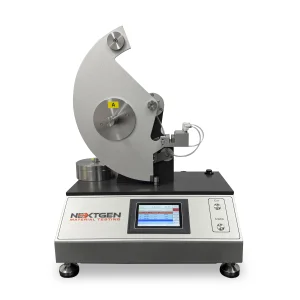
GB/T 11999-1989 is a Chinese national test method for determining tear resistance of plastics film and sheeting using the Elmendorf pendulum approach.
It is commonly referenced when comparing tear performance of flexible packaging films, barrier films, and other thin plastic sheets where tear propagation behavior matters for handling and end-use performance. If you need help aligning legacy citations with current methods, contact our team.
GB/T 11999-1989 — Plastics—Film and sheeting—Determination of tear resistance—Elmendorf method
GB/T 11999 is a recommended (GB/T) national standard categorized as a method document for tear resistance testing of plastic film and sheeting using an Elmendorf-type pendulum tearing technique.
This standard has been withdrawn in China and fully replaced by GB/T 16578.2-2009 (Elmendorf method) for plastics film and sheeting tear resistance determination.
Quick Definition
Document type: Test method (method standard).
What it measures: Resistance to tear propagation in plastic film/sheet specimens using a pendulum tearing instrument (Elmendorf principle).
Status note: GB/T 11999-1989 is withdrawn; many current purchase specifications cite the replacement GB/T 16578.2-2009 Part 2 instead.
What This Standard Covers
GB/T 11999 addresses tear resistance testing for plastics film and thin plastic sheets where a controlled tear is initiated and propagated under the action of a swinging pendulum. The result is typically used to compare tear performance between materials, lots, or constructions.
Because the Elmendorf approach is sensitive to specimen geometry, thickness range, and instrument capacity, matching the cited method edition and capacity range is important when you are comparing results across labs or supplier COAs.
Why This Standard Matters in Testing
Tear resistance is a practical performance indicator for many flexible products: it can influence how films open, how they resist damage during converting and shipping, and how they behave under snagging or edge damage in service.
In QA/QC environments, Elmendorf tear results are often used for incoming inspection, process change validation (resin, orientation, thickness, lamination), and supplier comparisons where a consistent, repeatable method is needed.
Common Materials, Product Types, or Applications Covered
GB/T 11999 is typically applied to plastic film and sheeting used in flexible products where tear propagation performance is relevant.
Common examples: Flexible packaging films, laminated structures (when tested as a finished film), protective films, and other thin plastic sheets used in converting operations.
Common Test or Verification Workflow
Elmendorf tear testing is usually run as a comparative method with controlled specimen preparation and repeated measurements.
Typical workflow (high level): Condition specimens as required by the cited method, prepare specimens to the required geometry, mount in the tear tester clamps, initiate the tear, release the pendulum, and record tear resistance results for the specified number of replicates and directions (as applicable).
Practical caution: Results can shift with film orientation, thickness, notch/tear initiation quality, and instrument capacity selection, so purchase specifications should be matched to the exact cited standard and edition being reported.
Equipment Commonly Used for This Standard
GB/T 11999 points most directly to an Elmendorf pendulum tear tester and the supporting tools needed to create consistent specimens.
Common equipment: Elmendorf tearing tester (pendulum type) with appropriate capacity ranges; specimen cutting tools/dies aligned to the method; fixtures/clamps supplied with the instrument; and basic supporting tools such as thickness measurement equipment when thickness is reported alongside tear performance.
If you are selecting capacity ranges, accessories, or specimen preparation options for film and sheeting programs, you can request a detailed quote for a configuration matched to your material type and throughput.
How to Read This Designation or Revision
GB/T 11999-1989: “GB” indicates a national standard of China, “/T” indicates a recommended standard, and “1989” is the publication year associated with this edition.
Status: This edition was withdrawn on 2010-02-01 and is fully replaced by GB/T 16578.2-2009 for the Elmendorf tear method for plastics film and sheeting.
Related Standards, Methods, or Frameworks
GB/T 11999 was developed as an equivalent adoption of ISO 6383-2:1983. For current GB/T practice in China, GB/T 16578.2-2009 is the direct replacement for the Elmendorf method, and GB/T 16578.1-2008 covers an alternative tear approach for plastics film and sheeting.
Talk with our team about Elmendorf tear testing setups
If you are updating a legacy GB/T 11999 requirement to the current replacement or need to align supplier reports across different test methods, talk with our team about your material, thickness range, and reporting needs before finalizing equipment or procedures.