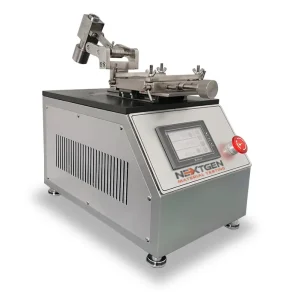
SATRA PM 173 is a commonly specified SATRA procedure designation used to evaluate how a coloured surface stands up to controlled rubbing—typically focusing on visible surface marring and/or colour transfer to the rubbing medium. It is most often referenced for leather, and is also used for coated materials and some textiles.
If you need help mapping a customer or brand requirement to the right method edition and compatible equipment configuration, talk with our team about your specific material and acceptance criteria.
SATRA PM 173 – Rubbing fastness (colour transfer / surface marring) test
This designation is widely used in footwear and leather supply chains to communicate a repeatable, instrumented rubbing action against a test surface, followed by visual rating of surface change and/or staining of the rubbing pad. In many purchasing specifications, it is used as a practical “fastness to rubbing” checkpoint for dyed, finished, or coated surfaces.
Because performance requirements (pass/fail limits) are typically defined by a brand, product specification, or procurement document—not by the test designation alone—results should be interpreted against the exact requirement you are working to.
Quick Definition
What it is: A rubbing fastness procedure used to assess surface marring and/or colour transfer under a controlled rubbing action.
What it produces: Visual ratings of colour change on the specimen and staining/transfer onto the rubbing medium (commonly using grey scales in practice).
Typical specimen types: Leather uppers/linings and other coloured or finished surfaces where rub-off is a concern.
What This Standard Covers
SATRA PM 173 is typically used where a buyer needs to control the risk of rub-off during wear, handling, packing, or assembly. The method concept is a controlled, repeatable rubbing motion using a specified rubbing pad/medium and a defined contact force, followed by visual assessment.
Common test variants: Dry rubbing and wet rubbing are commonly specified. The exact rubbing medium, number of rubs, and rating approach should follow the cited requirement and the specific edition referenced by your customer or internal test plan.
Why This Standard Matters in Testing
Rubbing fastness is a high-frequency quality risk for footwear and leather goods because even small levels of colour transfer can create visible staining on socks, linings, adjacent components, packaging materials, and consumer surfaces. It can also reveal weak finishes, poor dye fixation, or coating damage that may not be obvious in static colour checks.
For QA/QC teams, this designation is commonly used as a release test, a supplier qualification requirement, and a troubleshooting tool when staining or scuff complaints occur.
Common Materials, Product Types, or Applications Covered
SATRA PM 173 is most commonly applied to finished leather, including dyed and coated leathers used in footwear uppers and linings. It is also frequently referenced for other coloured or coated materials where surface rub-off is a concern.
Typical applications: Footwear upper leather, lining leather, coated/leather-like materials, coloured polymeric surfaces, and selected textiles used in footwear components.
Common Test or Verification Workflow
A typical workflow includes conditioning the specimen as required by the controlling specification, mounting it securely on the test platform, selecting the dry or wet rubbing condition, and running a defined number of rubbing cycles under controlled load.
After rubbing, results are commonly recorded as (1) change in appearance/colour of the rubbed area and (2) staining/transfer onto the rubbing pad. Many lab workflows also document photos of the rubbed area and the rubbing pad, especially for supplier disputes or customer investigations.
Equipment Commonly Used for This Standard
SATRA PM 173 is commonly associated with a Veslic / IULTCS-style rubbing fastness tester (sometimes described as a leather rubbing fastness tester) that applies a controlled back-and-forth rubbing motion under a defined force.
Common equipment: Veslic/IULTCS rubbing fastness tester, specimen clamping base, standardized rubbing pads (often wool felt), weights or force-control system, and visual rating tools such as grey scales used for colour change and staining assessments.
Equipment-selection caution: Different requirements can call out specific rubbing heads, stroke length, cycle rate, load/weighting, and wetting procedure. Confirm the exact cited edition and the buyer’s acceptance criteria before finalizing configuration.
If you are standardizing a lab setup or comparing single-station vs multi-station systems and accessory packages, you can request a detailed quote for a configuration matched to your throughput and reporting needs.
How to Read This Designation or Revision
“SATRA PM 173” is typically cited as a procedure designation within SATRA-related test requirements for rubbing fastness. In many specifications, it may be referenced with or without an issue date/year.
Revision sensitivity: Setup details (for example, rubbing medium, load, number of rubs, wetting practice, and rating/reporting rules) can vary by edition or by the controlling customer specification. When a purchase order, brand manual, or test plan cites SATRA PM 173, match your lab procedure and equipment setup to that exact citation.
Related Standards, Methods, or Frameworks when useful
SATRA PM 173 is frequently referenced alongside other rub fastness and leather surface abrasion/fastness methods used in footwear and leather supply chains. Depending on the customer requirement, you may also see equivalent or companion references from ISO, EN ISO, or industry/sector specifications.
Where multiple methods are listed in a requirement, confirm whether they are alternatives (choose one) or separate checks that must all be performed, since that impacts equipment needs and reporting.
Get help selecting the right rub fastness setup
For fastness-to-rubbing programs, the details matter—cycle count, wet/dry condition, rubbing pad specification, and rating approach all drive what your lab needs to run consistently. If you want help aligning your requirement to the right equipment and accessories, contact our team with the exact citation from your specification.