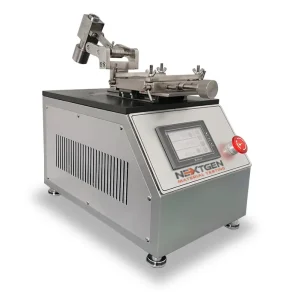
GB/T 40920 is a Chinese national recommended standard for evaluating how well color on leather surfaces withstands repeated to-and-fro (reciprocating) rubbing.
It is commonly used to compare dye/finish durability and to qualify leather for products where abrasion, handling, or repeated contact can cause discoloration or staining. If you need help aligning your sample type and rub conditions to the edition cited in your specification, talk with our team.
GB/T 40920: Leather—Tests for colour fastness—Colour fastness to cycles of to-and-fro rubbing
GB/T 40920 provides a standardized laboratory approach to assess rubbing-related color change on a leather specimen and staining on the rubbing material after a defined number of reciprocating rub cycles under controlled loading.
This type of test is often referenced by leather supply chains to support incoming inspection, process control of finishing operations, and customer acceptance requirements.
Quick Definition
Document type: Test method (colour fastness to reciprocating rubbing for leather surfaces).
What it measures: Visual assessment of discoloration on the leather surface and staining on the rubbing material after repeated to-and-fro rubbing.
Typical output: Grey scale ratings for color change and staining, plus notes on visible surface damage when applicable.
What This Standard Covers
GB/T 40920 describes a reciprocating rubbing procedure using a felt rubbing material on a leather surface to determine color fastness to rubbing.
It is written for leather surfaces and is typically applied across a wide range of leather types and finishes where rubbing contact during use is a realistic service condition.
Why This Standard Matters in Testing
Rubbing can transfer colorants or finishes onto other materials (staining) and can also alter the appearance of the leather itself (discoloration). A standardized rub test helps teams compare lots, validate finishing chemistry changes, and set pass/fail criteria that are repeatable across sites.
Because results are sensitive to rubbing pressure, rubbing material, number of cycles, conditioning, and visual grading practices, using a defined standard method is important for meaningful supplier-to-customer comparisons.
Common Materials, Product Types, or Applications Covered
GB/T 40920 is most often applied to finished leathers used in products where repeated rubbing contact is expected, such as:
- Footwear uppers, linings, and leather components
- Apparel leathers and fashion accessories
- Upholstery, seating, and interior trim (including vehicle interior leather)
- Leather goods that contact textiles or light-colored materials during use
Common Test or Verification Workflow
GB/T 40920 is typically used as part of a color-fastness qualification workflow rather than as a standalone mechanical-property test.
Common workflow: Sample selection and conditioning (per referenced leather sampling/conditioning guidance) → reciprocating rubbing for a specified number of cycles under a defined load → visual grading of (1) leather color change and (2) staining on the felt/rubbing material → documentation of any visible damage or abnormal appearance changes.
Practical caution: Even when two labs use the same tester, differences in rubbing media, specimen mounting flatness, conditioning, and grading environment can drive noticeable differences in ratings—so it is important to match the edition and any customer-specific deviations.
Equipment Commonly Used for This Standard
GB/T 40920 generally points to equipment that can apply controlled, repeatable to-and-fro rubbing motion with a specified load and cycle count.
Common equipment: Reciprocating rubbing (crocking) tester suitable for leather specimens; specimen clamps/holders; felt rubbing pads/media meeting the standard’s requirements; weights or loading system to apply the required pressure; conditioning environment where required by the cited procedure; standardized grey scales for assessing color change and staining.
What to confirm when specifying equipment: Stroke length and motion control, ability to apply the required load consistently, cycle counting and repeatability, specimen holder geometry for the product form, and a workflow for consistent visual grading.
How to Read This Designation or Revision
GB/T 40920-2021 refers to the GB/T standard number (40920) and the year of publication (2021). The implementation date for this edition is May 1, 2022.
GB/T standards are “recommended” national standards in China; purchase orders, customer specifications, or regulatory frameworks may still require compliance when the standard is cited contractually.
Revision sensitivity: Rubbing media requirements, cycle counts, conditioning, and reporting details can change between editions, so test setup should match the exact cited designation.
Related Standards, Methods, or Frameworks
GB/T 40920 is identified as an adoption of an international method for leather rubbing colour fastness (based on ISO 11640). It also commonly references supporting documents for grey scale assessments and leather sampling/conditioning.
If your customer specification also calls out additional colour fastness exposures (for example, perspiration or other contact conditions), confirm whether those are separate methods with different equipment and grading requirements.
Get help selecting a rubbing fastness setup for GB/T 40920
If you are equipping a lab for leather rubbing colour fastness testing and need a configuration that matches your sample sizes, throughput, and reporting needs, you can request a detailed quote for a reciprocating rubbing tester and accessories.