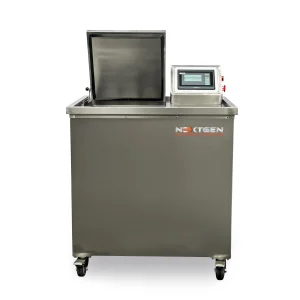
AATCC TM86 is a textile drycleaning durability test method used to gauge how repeated commercial-type drycleaning affects applied designs (such as prints) and finishes on fabrics and related materials.
If you need help matching the right drycleaning simulation setup to the exact TM86 edition cited in your spec, contact our team.
AATCC TM86 Drycleaning: Durability of Applied Designs and Finishes
AATCC TM86 is intended to indicate the effect of repeated drycleanings on the durability of an applied design or finish on textiles and other materials used for apparel and household products that are renovated by commercial drycleaning procedures.
This method is commonly used when the question is “Will the applied look or finish hold up?” rather than “Will the dye change shade?” (colorfastness to drycleaning is typically addressed separately).
Quick Definition
Document type: Test method (drycleaning simulation for durability of applied designs/finishes).
What it evaluates: Visual and/or functional durability changes caused by repeated drycleaning-like solvent exposure plus mechanical action.
What it does not claim to be: A complete colorfastness-to-drycleaning method.
What This Standard Covers
AATCC TM86 focuses on the durability of surface-applied designs and chemical/mechanical finishes after repeated drycleaning exposures. In practice, this means assessing whether the applied design or finish shows damage, loss of effect, or unacceptable change after a defined number of drycleaning simulations.
The method also notes that it can be used to evaluate the durability of applied-design materials and finishing agents intended for use on fabrics and other products renovated by commercial drycleaning procedures.
Why This Standard Matters in Testing
Drycleaning subjects textiles to solvent chemistry and mechanical action that can disturb prints, coatings, adhesives, surface effects, and finish performance. TM86 is often used in product development and supplier qualification to reduce the risk of field complaints such as finish loss, cracking, delamination, or visible deterioration after professional care.
For labs and QA teams, TM86 helps separate “care durability” issues from other appearance or shade-change concerns that may require different AATCC methods and rating procedures.
Common Materials, Product Types, or Applications Covered
TM86 is typically applicable when the textile includes an applied component that could be affected by drycleaning, such as:
- Printed designs and decorative applications
- Applied finishes on apparel and household textiles
- Coated, treated, or surface-modified textile materials where professional care durability is a concern
Because applied designs and finishes vary widely, acceptance criteria are usually set by the brand, spec, or care-performance requirement tied to the product category.
Common Test or Verification Workflow
TM86 is most often used as part of a professional-care performance program that includes pre-conditioning, a defined number of drycleaning simulation cycles, and post-exposure evaluation.
Common workflows: (1) Document the initial appearance/performance of the applied design or finish, (2) run repeated drycleaning simulations under the specified conditions, (3) evaluate changes such as durability loss, damage, or unacceptable appearance change, and (4) report results against product requirements.
If your requirement also includes color change and staining expectations after drycleaning, that is commonly handled as a separate method callout; align on the exact combination of methods and grading tools before test initiation.
Equipment Commonly Used for This Standard
TM86 is a solvent-based, mechanically agitated drycleaning simulation. Equipment selection is driven by the need to safely contain the solvent/detergent system while applying repeatable mechanical action for the required number of cycles.
Common equipment: Sealed test canisters and an agitation device used for accelerated care simulations; calibrated temperature control as required by the cited procedure; specimen holders and consumables appropriate to solvent exposure; and evaluation tools for post-test appearance checks.
When you are configuring equipment, confirm the solvent compatibility of canisters, seals, and rotating components, and make sure your lab’s safety controls (ventilation and solvent handling) match the chemicals required by the cited TM86 edition.
If you are comparing instrument sizes, canister sets, or solvent-compatible configurations, you can request a detailed quote for a setup matched to your throughput and specimen dimensions.
How to Read This Designation or Revision
AATCC methods are commonly cited as “AATCC TM” followed by the method number. When included, additional date and editorial/revision markers identify the specific edition used for setup and reporting.
Revision sensitivity: Setup details (cycle count, solvent/detergent conditions, specimen sizing, evaluation approach, and reporting expectations) can vary by edition. For procurement documents and supplier scorecards, always match the exact TM86 designation stated in your requirement.
Related Standards, Methods, or Frameworks
TM86 is focused on durability of applied designs and finishes rather than colorfastness outcomes. Many drycleaning-related performance programs pair TM86 with a separate colorfastness-to-drycleaning method when shade change and staining are part of acceptance criteria.
When multiple AATCC methods are cited together in a single specification, confirm which method governs (a) the drycleaning exposure, (b) the rating approach, and (c) the pass/fail limits for the applied design/finish versus color change.
Talk with a Lab & Equipment Specialist
If you need to align TM86 drycleaning simulation equipment with a particular solvent system, cycle requirement, or evaluation expectation, talk with our team about your specimen type, throughput, and the exact AATCC designation in your test plan.