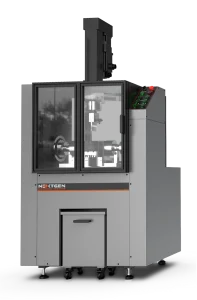
ASTM A370 covers mechanical test methods and definitions used for steel, stainless steel, and related alloy products. It is commonly referenced when tensile, bend, hardness, or impact properties need to be evaluated in a consistent ASTM framework.
Because ASTM A370 spans several test types and annexes for different product forms, the exact setup depends on the material specification, specimen location, units, and reporting requirements cited for the product. If you need help determining whether ASTM A370 applies to your material or test plan, Contact Us.
ASTM A370 Standard Test Methods and Definitions for Mechanical Testing of Steel Products
ASTM A370 is a methods-and-definitions standard used for mechanical testing of steel products. It is widely called up by steel material specifications when a purchaser, mill, lab, or QA team needs a recognized procedure for verifying mechanical properties.
It is not a steel grade specification by itself. The acceptance values, sampling frequency, specimen location, orientation, and other product-specific requirements are typically set by the governing material specification or purchase requirement that references ASTM A370.
Quick Definition
ASTM A370 provides the test procedures and definitions used to evaluate mechanical properties for steel, stainless steel, and related alloy products. It commonly supports conformance testing, incoming inspection, and other verification work where the controlling material specification points to this standard.
What This Standard Covers
ASTM A370 brings together several mechanical testing areas that are frequently used in steel-product qualification and acceptance. Instead of covering one single bench test, it groups multiple test methods and supporting annexes under one designation.
| Covered Area | How It Is Commonly Used |
|---|---|
| Tension | Mechanical property verification where tensile values are required by the material specification. |
| Bend | Evaluation of bend performance when bend requirements apply to the product. |
| Hardness | Brinell, Rockwell, and portable hardness checks when hardness reporting is specified. |
| Impact | Impact testing when toughness-related requirements are part of the specification. |
| Annexes for Product Forms | Additional guidance for bars, tubular products, fasteners, round wire products, multi-wire strand, reinforcing bars, and related reporting topics. |
Important: If the governing steel product specification sets different sampling, specimen, or reporting requirements, that product specification controls for the job at hand.
Why This Standard Matters in Testing
ASTM A370 matters because it creates a common mechanical testing framework across many steel-product specifications. That consistency helps labs and manufacturers produce results that are easier to compare across lots, suppliers, mills, and incoming inspections.
For buyers and QA teams, ASTM A370 often sits between the product specification and the test equipment. The product specification tells you what must be achieved, while ASTM A370 helps define how the mechanical test is carried out and how the result is determined.
Common workflows: Material qualification, purchase-order conformance, mill verification, incoming inspection, and follow-up testing when steel components or products need mechanical property confirmation.
Common Materials, Product Types, or Applications Covered
This standard applies broadly to steel, stainless steel, and related alloy products that are tested for mechanical properties under ASTM-based material requirements. It is especially relevant where the product specification directs the user to ASTM A370 for test procedure details.
- Bar products
- Tubular products
- Fasteners
- Round wire products
- Multi-wire strand
- Steel reinforcing bars
In practice, ASTM A370 is often encountered in production control, receiving inspection, certification review, and lab testing programs tied to steel manufacturing and fabricated steel supply chains.
Common Test or Verification Workflow
ASTM A370 is commonly used as part of a larger verification path rather than as a stand-alone acceptance document. The normal starting point is the material or product specification that cites ASTM A370 and states which properties must be checked.
- Review the governing material specification or purchase requirement.
- Identify which ASTM A370 section or annex applies to the product form and property being evaluated.
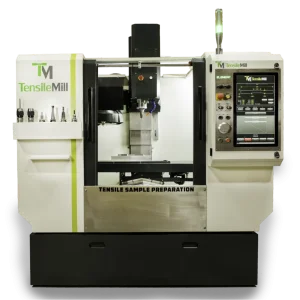
- Prepare and measure specimens as required by the controlling specification and the applicable ASTM A370 procedure.
- Run the required mechanical test, such as tension, bend, hardness, or impact.
- Report the result against the acceptance criteria in the governing specification.
Because the standard includes more than one test type, equipment selection usually starts with the exact section being called out, the product form being tested, and whether the lab needs one method or several.
Equipment Commonly Used for This Standard
ASTM A370 can point to several equipment families. The correct configuration depends on which portions of the standard are required for the steel product being tested.
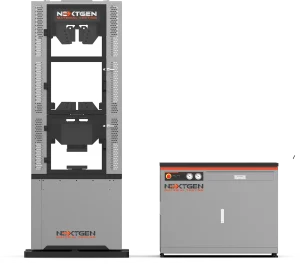
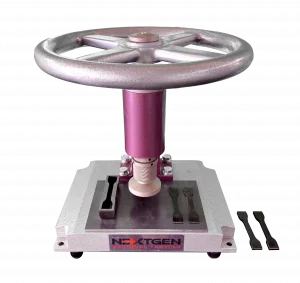
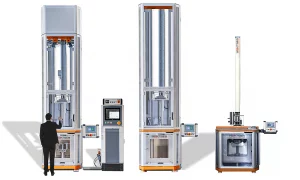
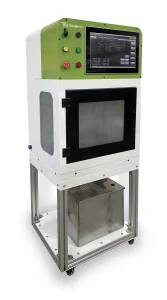
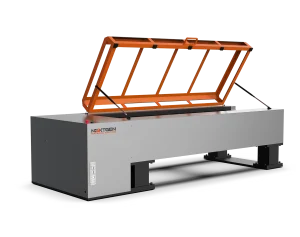
Common equipment: Universal testing machines for tension work and many bend applications, suitable grips and bend fixtures, extensometry where tensile strain measurement is needed, Brinell and Rockwell hardness testers, portable hardness instruments, and pendulum impact testers for impact testing.
Practical quoting caution: It is usually not enough to ask for a single generic ASTM A370 system. The quote should match the material specification, specimen geometry, product-form annex, force range, and reporting expectations tied to the application.
How to Read This Designation or Revision
The designation ASTM A370 identifies a ferrous-metals ASTM standard with the specific document number 370. It is normally cited with a year suffix that identifies the adopted or revised edition, such as ASTM A370-23.
ASTM designation practice also allows a same-year letter suffix when a document is revised more than once in the same year, and an epsilon mark may be used for editorial changes that do not change the year date.
Revision sensitivity: The exact cited edition can matter for test details, annex content, notes, and reporting language, so equipment selection and lab instructions should follow the edition named in the contract, specification, or customer requirement.
Related Standards, Methods, or Frameworks
ASTM A370 is often used together with ASTM steel material specifications that define the required property limits and product-specific sampling rules. In that relationship, ASTM A370 supplies the testing method while the product specification supplies the acceptance criteria.
When an SI-based ASTM route is needed instead of the inch-pound A370 format, ASTM A1058 is a commonly related reference. Laboratory qualification requirements may also call for ISO/IEC 17025 in addition to the test standard itself.
Need Help Matching ASTM A370 to the Right Equipment?
If you are selecting a universal testing machine, hardness tester, or impact system for an ASTM A370 workflow, we can help match the configuration to your materials, specimen forms, and required test sections. Request a Quote.