ASTM D2240 is a standard test method for measuring indentation hardness (commonly called durometer or Shore hardness) on rubber, elastomeric materials, cellular/foam-like materials, gel-like materials, and some plastics using specified durometer types.
It is widely used for incoming inspection, process control, product release, and material comparison when a fast, repeatable hardness check is needed on finished parts, plaques, or production samples. If you need help selecting the right durometer type or deciding whether D2240 applies to your material and geometry, talk with our team.
ASTM D2240 – Standard Test Method for Rubber Property—Durometer Hardness
ASTM D2240 defines how indentation hardness is determined using durometers under specified conditions. The standard covers multiple durometer “types” (scales) so the method can be matched to very soft materials, typical elastomers, and harder polymers where a different indenter geometry and spring force are needed.
Because durometer hardness is an empirical indentation measurement, results can be sensitive to sample thickness, viscoelastic behavior, surface condition, and how the instrument is applied. For quality programs, it is common to pair D2240 with clear internal instructions on specimen location, number of readings, and acceptance criteria.
Quick definition
ASTM D2240 in one line: A standardized method for measuring indentation (durometer/Shore) hardness using defined durometer types for elastomers, foams/cellular materials, gel-like materials, and some plastics.
What This Standard Covers
ASTM D2240 describes procedures for determining indentation hardness using twelve durometer device types: A, B, C, D, DO, E, M, O, OO, OOO, OOO-S, and R.
Scope highlights: The method addresses materials such as thermoplastic elastomers (TPEs), vulcanized rubber, elastomeric materials, cellular materials, gel-like materials, and some plastics. It also states that it is not applicable to coated fabrics.
Why This Standard Matters in Testing
Durometer hardness is one of the fastest ways to quantify “how hard” an elastomer or soft polymer feels in a way that is easy to specify, purchase against, and verify on the production floor. ASTM D2240 is frequently cited on drawings and purchase specifications as a numeric hardness requirement (for example, a Shore A or Shore D target with a tolerance).
ASTM D2240 also emphasizes that durometer readings from different durometer types are not directly interchangeable and do not have a simple relationship to fundamental mechanical properties. For that reason, controlling the cited durometer type, measurement conditions, and the exact edition of the standard matters for comparability across suppliers and sites.
Common Materials, Product Types, or Applications Covered
ASTM D2240 is commonly applied to products and materials where indentation hardness is used as a functional or quality attribute.
Common materials: Vulcanized rubber, thermoplastic elastomers, elastomeric compounds, cellular/foam materials, gel-like materials, and selected plastics where durometer indentation is appropriate.
Common product examples: Seals and gaskets, O-rings, molded rubber parts, rollers, pads and bumpers, footwear components, soft-touch overmolds, flexible polymer parts, and foam/cellular components where a durometer scale is specified.
Common Test or Verification Workflow
A typical ASTM D2240 workflow is set up to produce repeatable, production-friendly readings rather than a full mechanical characterization.
Common workflow steps: (1) confirm the specified durometer type/scale, (2) verify instrument condition using suitable reference blocks as required by the standard and internal quality procedures, (3) measure at defined locations on the sample/part while controlling variables that strongly affect indentation readings (such as thickness and support), and (4) report the durometer type and hardness value(s) using the required format in the governing specification or quality plan.
If you are building a work instruction for a multi-site QC program and need help aligning instrument type, stand usage, and verification practices, contact our team to discuss your application.
Equipment Commonly Used for This Standard
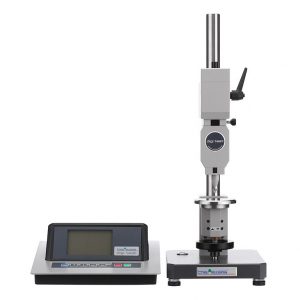
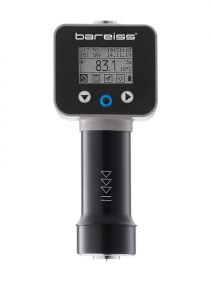
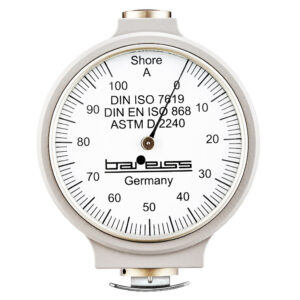
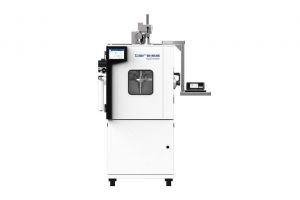
ASTM D2240 is primarily an instrument-based test. Equipment selection depends on the required durometer type and how much repeatability you need (bench-style fixturing versus handheld checks).
Common equipment: Durometer hardness testers matching the specified type (for example, Type A or Type D are common in many elastomer/plastics programs), calibrated reference blocks for ongoing verification, and optional stands/fixtures to improve application consistency when required by internal procedures or customer requirements.
Practical selection cautions: The durometer type (A, D, etc.) is part of the requirement—not just the numeric value. Also, part geometry, thickness, and surface condition can drive whether a handheld approach is acceptable or whether a stand and controlled setup are needed for reliable acceptance decisions.
How to Read This Designation or Revision
ASTM standards are commonly cited by designation and revision year. For ASTM D2240, the ASTM product listing shows the active designation in the form “ASTM D2240-15(2021)”.
What the numbers generally indicate: “D2240” is the standard number, “-15” indicates a 2015 edition, and “(2021)” indicates it was reapproved in 2021. ASTM may also publish editorial-change versions (often shown with an “E” suffix on the ASTM store listing).
Revision sensitivity: When a purchase specification or drawing calls out ASTM D2240, matching the cited edition matters because requirements around apparatus, verification, procedure details, and reporting can change over time.
Related Standards, Methods, or Frameworks when useful
ASTM D2240 itself notes related hardness standards and important boundaries.
Commonly encountered related references: ASTM D785 is often used for hardness testing of plastics outside the materials described in D2240’s scope, and ASTM D1415 is specifically called out as a different indentation hardness method that is not equivalent to D2240 results.
Get help selecting a D2240-ready setup
If you are standardizing Shore/durometer hardness checks across incoming inspection and production, we can help you choose a durometer type, verification approach, and bench configuration that fits your material range and repeatability needs. You can request a detailed quote for a D2240-oriented setup.