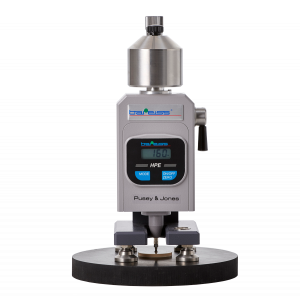
ASTM D531 is a standard test method for measuring indentation resistance of rubber and rubber-like materials using a Pusey and Jones type plastometer. It reports an indentation value based on how far an indenter penetrates the specimen surface under a fixed force.
This method is commonly used when you need a fast, comparative indentation measurement for elastomer compounds, finished rubber parts, and rubber-like sheets. If you need help determining whether this method fits your material type or how it compares to other rubber hardness/indentation methods, talk with our team.
ASTM D531: Standard Test Method for Rubber Property—Pusey and Jones Indentation
ASTM D531 defines a specific indentation test using a Pusey and Jones plastometer to measure penetration depth under a fixed applied force. The output is an indentation value that supports material comparison and process control for rubber and rubber-like materials.
This is a focused indentation method and should not be treated as a general “rubber hardness” catch-all. Many labs use it alongside other physical property tests as part of a broader rubber qualification or production verification program.
Quick Definition
ASTM D531 measures the depth of indentation made by a specified indenter, under a specified force, using a Pusey and Jones type plastometer, to compare indentation resistance of rubber and rubber-like materials.
What This Standard Covers
ASTM D531 covers determination of indentation depth into the surface of a rubber specimen using a Pusey and Jones type plastometer. The method is built around a fixed-force indentation measurement and reports indentation depth in a defined way for consistent comparison.
The method also clarifies that this indentation value is not the same as rubber hardness results produced by certain other hardness methods (for example, International Hardness), because the local deformation conditions at the indenter can differ.
Why This Standard Matters in Testing
Indentation resistance is often used as a practical indicator for how a rubber compound will respond to localized contact pressure in service (for example, seating, sealing contact, or compression against a mating surface). ASTM D531 provides a repeatable way to generate an indentation value that can be trended for batch-to-batch consistency.
Because the method uses a dedicated plastometer and a defined indentation condition, it is particularly useful where historical specifications, legacy drawings, or internal quality programs reference “Pusey & Jones” indentation values.
Common Materials, Product Types, or Applications Covered
ASTM D531 applies to rubber and rubber-like materials where indentation resistance is being compared, monitored, or specified. Typical use includes:
- Elastomer compounds and vulcanized rubber materials
- Rubber-like polymer materials that can be evaluated with an indentation plastometer
- Finished rubber parts or sheets where a surface indentation check is appropriate
Material formulation, thickness, and surface condition can affect indentation results, so test planning commonly includes agreement on specimen geometry and conditioning consistent with the cited edition of the standard.
Common Test or Verification Workflow
ASTM D531 is typically used as a comparative bench test to produce an indentation value under a defined indenter and force. A common workflow includes:
- Prepare or select a suitable rubber specimen and identify the test surface
- Verify the plastometer setup (indenter and applied force) and instrument condition
- Apply the indentation per the method and record indentation depth as specified
- Compare results to internal limits, material approvals, or customer requirements
Practical note: This method is often used for comparison and control, so matching the cited edition (and any customer-specific instructions) is important when comparing results across labs or across long time periods.
Equipment Commonly Used for This Standard
ASTM D531 points to a dedicated indentation plastometer approach rather than a universal testing machine configuration.
Common equipment: Pusey and Jones type plastometer (indentation instrument), appropriate indenters, and a stable test stand/anvil suitable for repeatable specimen placement.
What buyers usually specify: instrument type/compatibility with Pusey and Jones indentation testing, force application consistency, measurement resolution for indentation depth reporting, and fixtures/supports appropriate for the specimen form (sheet vs. part).
If you are outfitting a lab or replacing an older plastometer and want a configuration aligned to your specimen geometry and throughput targets, you can request a detailed quote for an equipment package.
How to Read This Designation or Revision
Designation: “ASTM D531” identifies the standard number within ASTM Committee D11 (Rubber).
Year and reapproval: A suffix such as “-15” indicates the year of the referenced version (for example, D531-15). When shown with parentheses such as “(2026),” that commonly indicates a reapproval year tied to the referenced edition.
Catalog formatting: ASTM’s online store may display the document with a leading-zero format (for example, “D0531”) while the standard is commonly cited as “D531.” Use the customer’s exact designation and edition when matching requirements.
Related Standards, Methods, or Frameworks when useful
ASTM D531 is an indentation resistance method and is sometimes used alongside other rubber hardness/indentation approaches. ASTM D531 also notes that its indentation value should not be confused with hardness results from ASTM D1415 (International Hardness) because the deformation conditions differ.
When a specification calls out multiple rubber property tests, it is common to confirm whether results must be reported as Pusey and Jones indentation, an International Hardness value, or another hardness scale to avoid mismatched acceptance criteria.
Get help selecting an ASTM D531 indentation test setup
If you need help matching a plastometer, indenter configuration, or measurement resolution to the exact ASTM D531 edition cited in your customer requirement, contact our team with your material type, specimen form, and any acceptance limits you are working to.