ASTM D1148-95 is a standard test method used to evaluate surface discoloration on white or light-colored vulcanized rubber after controlled exposure to heat and ultraviolet (UV) radiation.
This method is commonly used when appearance stability matters—helping teams compare materials, finishes, and formulations and document color-change performance for acceptance, quality control, or R&D. If you need help matching an older cited edition to your current test setup, talk with our team.
ASTM D1148-95 — Standard Test Method for Rubber Deterioration—Heat and Ultraviolet Light Discoloration of Light-Colored Surfaces
ASTM D1148-95 focuses on visible surface color change (discoloration) that can occur on light-colored vulcanized rubber when exposed to heat and UV radiation under controlled laboratory conditions.
The standard is written to support qualitative evaluation of the degree of discoloration produced by the exposure.
Quick Definition
Document type: Standard test method.
What it measures: Qualitative surface discoloration of white or light-colored vulcanized rubber after exposure to heat and UV radiation.
What it is not: A staining test; staining is addressed separately in ASTM D925 (as referenced in the D1148-95 scope note).
What This Standard Covers
ASTM D1148-95 describes a laboratory technique to expose light-colored vulcanized rubber specimens to heat and ultraviolet radiation and then rate the resulting surface discoloration.
In practice, the method is used to compare how different rubber compounds or surface conditions respond to a defined exposure, using the rating approach required by the standard.
Why This Standard Matters in Testing
For light-colored rubber, surface appearance can be a functional requirement (consumer perception, branding, product differentiation) and a quality requirement (lot-to-lot consistency). A controlled heat/UV discoloration test helps teams screen materials and document performance in a repeatable way.
This method is often used for supplier qualification, incoming material checks, formulation changes, and comparative benchmarking when natural outdoor exposure is too slow or too variable for decision-making.
Common Materials, Product Types, or Applications Covered
ASTM D1148-95 is most commonly applied to white or light-colored vulcanized rubber articles where discoloration is objectionable or needs to be controlled.
Common examples: Light-colored rubber covers, sleeves, seals, gaskets, trims, and other molded or fabricated rubber components where visual change after heat/UV exposure is a concern.
Common Test or Verification Workflow
The workflow is generally exposure-based followed by visual evaluation.
Typical workflow: Prepare representative rubber specimens → expose specimens to heat and UV radiation for the specified duration(s) → evaluate and record the degree of surface discoloration using the qualitative approach required by the standard.
Practical note: Because D1148-95 is a qualitative evaluation method, consistency in specimen presentation, exposure uniformity, and evaluation conditions (for example, viewing setup) is critical for repeatable internal decisions.
Equipment Commonly Used for This Standard
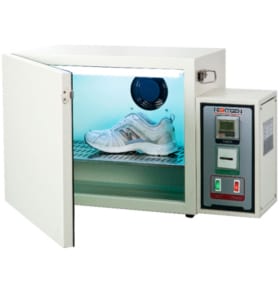
ASTM D1148-95 is typically supported by a controlled exposure setup that can apply UV radiation and heat in a repeatable manner.
Common equipment: UV exposure chamber/cabinet with temperature control, specimen mounting racks/holders, exposure timing controls, and a standardized viewing area for visual discoloration rating.
If you are comparing chamber sizes, lamp/UV source options, or temperature-control ranges for a D1148-style workflow, you can request a detailed quote for a configuration aligned to your lab throughput and specimen geometry.
How to Read This Designation or Revision
D1148: ASTM standard number for this rubber discoloration test method.
-95: Indicates the 1995 edition of the standard.
Related citations you may see: ASTM D1148-95(2001) or D1148-95R01 refers to the 1995 edition that was reapproved in 2001. When procedures, exposure conditions, or reporting need to align with a customer or drawing requirement, always match the exact cited edition.
Related Standards, Methods, or Frameworks
ASTM D1148-95 distinguishes discoloration (color change of the rubber) from staining, which involves color change of a metal finish in contact with or adjacent to the rubber. For staining evaluations, the scope note in D1148-95 points to ASTM D925.
Get Help Selecting an Exposure Setup for ASTM D1148-95
If you need to align equipment capability to a customer-cited D1148-95 exposure and evaluation workflow (including specimen capacity and control features), contact our team to discuss your application and the exact edition you need to run.