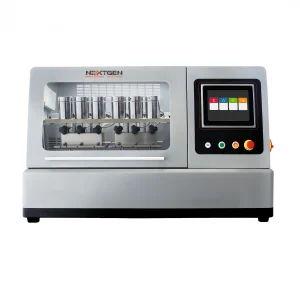
ASTM D1525 is a plastics thermal test method used to determine a Vicat softening temperature: the temperature at which a specified needle penetration occurs while a specimen is heated under controlled conditions.
It is commonly used to compare heat-softening behavior across thermoplastic materials for material selection, incoming inspection, and product development. If you need help matching the right edition or test conditions to your material or customer requirement, talk with our team.
ASTM D1525-25 — Standard Test Method for Vicat Softening Temperature of Plastics
ASTM D1525 defines a standardized approach for determining the temperature at which a defined penetration of a needle occurs when a plastic specimen is heated under specified conditions. The result is typically reported as a Vicat softening temperature and used as a comparative thermal-performance indicator.
This method is widely referenced for thermoplastics quality control and material characterization where a simple, repeatable heat-softening point is needed for specifications, datasheets, or internal benchmarks.
Quick Definition
ASTM D1525: A Vicat softening temperature test method for plastics that reports the temperature corresponding to a specified needle penetration under controlled loading and heating conditions.
What This Standard Covers
ASTM D1525 covers determining the temperature at which a specified needle penetration occurs while the specimen is heated under controlled conditions. It is intended for comparing heat-softening qualities of thermoplastic materials.
The standard notes limitations for certain materials with a wide Vicat softening range and provides guidance for SI-unit reporting and temperature measurement considerations.
Why This Standard Matters in Testing
Vicat softening temperature is frequently used as a quick comparative metric for how a plastic surface responds as temperature rises under a defined contact stress. In procurement and QA/QC, it is commonly used to confirm lot-to-lot consistency and to compare candidate materials when heat exposure is part of the service environment.
In R&D, it is often run alongside other thermal/mechanical indicators (for example, deflection temperature under load) to build a practical picture of elevated-temperature performance.
Common Materials, Product Types, or Applications Covered
ASTM D1525 is most often applied to thermoplastic materials and rigid plastic products where a comparative softening temperature is useful for design, product qualification, or supplier approval.
Common examples: Molded or extruded thermoplastics, compounded plastics, and plastic parts where elevated-temperature surface softening is a concern.
Common Test or Verification Workflow
Most labs use ASTM D1525 as a controlled heating-and-penetration test: a prepared specimen is loaded against a standardized indenter/needle, heated at a specified rate, and the temperature is recorded when the defined penetration criterion is reached.
Common workflow use: Material comparison, supplier/lot verification, and recording a thermal softening indicator for internal or customer documentation.
Equipment Commonly Used for This Standard
ASTM D1525 typically points to a Vicat/DTUL-style thermal tester configured for Vicat penetration measurement. Equipment selection is driven by temperature range, heating control, penetration measurement resolution, and how the lab runs multiple specimens.
Common equipment: Vicat softening temperature apparatus (often combined Vicat/HDT system), controlled-temperature heating bath or chamber, calibrated temperature sensing, penetration/deflection measurement, and the appropriate loading system specified by the method.
If you are configuring a Vicat setup for throughput, reporting needs, and temperature control requirements, you can request pricing for a Vicat/DTUL system matched to your lab workflow.
How to Read This Designation or Revision
Designation format: ASTM D1525-25 identifies ASTM standard D1525 with a 2025 revision year suffix.
Suffixes you may see: Some ASTM releases include an “e” suffix (for example, “e1”) to indicate an editorial correction applied to a given year’s issue. When a customer specification cites an exact designation, test setup and reporting should follow that cited edition.
Related Standards, Methods, or Frameworks
ASTM D1525 is noted as technically similar to ISO 306 for Vicat softening temperature determination. Many organizations also pair Vicat testing with deflection temperature under load testing when building a broader elevated-temperature performance profile.
Commonly referenced alongside: ISO 306; ASTM D648 (deflection temperature under load/HDT), when HDT is part of the qualification plan.
Get help selecting a D1525-ready Vicat configuration
When ASTM D1525 is used for compliance or customer qualification, details like the cited edition, temperature control approach, and data capture expectations can drive the right instrument configuration. To compare system options for your materials and throughput, request a detailed quote.