ASTM D3039/D3039M is a test method for measuring in-plane tensile properties of polymer matrix composite materials reinforced with high-modulus fibers. It is widely used to generate tensile strength and stiffness data for composite laminate allowables, material qualification, and production quality control.
This method is sensitive to gripping, alignment, specimen preparation, and strain measurement choices—so equipment configuration matters as much as machine capacity. If you need help matching grips and extensometry to your laminate and thickness, talk with our team.
ASTM D3039/D3039M – Standard Test Method for Tensile Properties of Polymer Matrix Composite Materials
ASTM D3039/D3039M is a standardized tensile test method focused on polymer matrix composites (PMCs). It targets in-plane tensile behavior and reporting of key tensile properties under controlled specimen, conditioning, and test setup requirements.
Because composites can fail prematurely from grip damage or misalignment, the method places practical emphasis on specimen gripping and strain measurement so the failure occurs in the intended gage section and the measured strain reflects the material response.
Quick Definition
Document type: Standard test method.
What it does: Determines in-plane tensile properties of certain polymer matrix composite laminates.
Typical outputs: Ultimate tensile strength, ultimate tensile strain, tensile modulus (chord modulus), Poisson’s ratio (when measured), and related stress-strain response values as applicable to the test setup.
What This Standard Covers
This test method covers determination of in-plane tensile properties for polymer matrix composite materials reinforced by high-modulus fibers. The material forms are limited to continuous fiber or discontinuous fiber-reinforced composites in which the laminate is balanced and symmetric with respect to the test direction.
D3039/D3039M is published with SI and inch-pound units. The units are presented as alternatives that are used independently rather than converted and mixed within a single report.
Why This Standard Matters in Testing
D3039/D3039M is commonly used to produce tensile property data that supports material specifications, research and development programs, quality assurance, and structural design and analysis work involving composite laminates.
In practice, the method is often used to compare batches, assess process changes, support qualification/verification programs, and build baseline tensile allowables—provided the lab controls the setup variables that strongly influence composite tensile results (for example, gripping approach, specimen alignment, conditioning, and test environment).
Common Materials, Product Types, or Applications Covered
This method is commonly applied to polymer matrix composite laminates such as carbon/epoxy, glass/epoxy, and aramid/epoxy systems where tensile properties in a defined laminate direction are required.
Common use cases: Aerospace and defense composite allowables work, wind and marine composites programs, sporting goods composites, and industrial composite structures where tensile strength and modulus data are used for design or verification.
Common Test or Verification Workflow
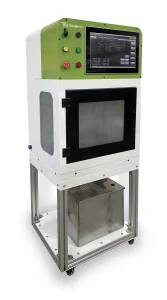
A typical D3039/D3039M workflow starts with defining the laminate construction and test direction, preparing flat strip coupons (often with bonded tabs when needed for gripping), conditioning specimens as required by the program, and then running a monotonic tensile test while recording load and strain.
Common workflow elements: Coupon identification and thickness/width measurement, optional tabbing, conditioning and environmental control (when required), tensile loading to failure, and reporting of strength and modulus values with the setup and specimen details needed for traceability.
Equipment Commonly Used for This Standard
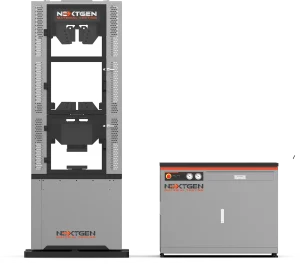
D3039/D3039M is typically performed on a universal testing machine (electromechanical or servo-hydraulic) configured for controlled crosshead displacement and appropriate data acquisition for load and strain.
Common equipment: Universal testing machine with appropriate load capacity, wedge or hydraulic grips suitable for composites, specimen alignment aids, calibrated load cell, and an extensometer or non-contact strain measurement system for modulus/strain-based results.
Gripping and strain measurement selection are usually the main technical drivers for a successful D3039/D3039M setup. If you are comparing grip styles, alignment fixtures, or extensometry options for your laminate thickness and tabbing approach, you can request a detailed quote for a configuration matched to your workflow.
How to Read This Designation or Revision
D3039/D3039M: “D” indicates an ASTM standard in the general area of materials (commonly including plastics and composites), and the “/D3039M” suffix indicates the standard is published in both inch-pound and SI units.
Revision format: Versions may be cited with a year-based suffix and may also show a reapproval year. For example, ASTM D3039/D3039M-17(2025) indicates a 2017 edition that was reapproved in 2025. When you are buying equipment or comparing historical results, match the exact edition cited by your customer specification or test plan.
Related Standards, Methods, or Frameworks
Programs that use D3039/D3039M may also include additional composite test methods to build a fuller mechanical property set or to address specific design details (for example, environmental conditioning or notched coupon behavior). The exact mix is usually defined by the material qualification plan, customer specification, or drawing notes.
Examples you may see referenced in composite test plans: ASTM D5229/D5229M for moisture absorption/conditioning of polymer matrix composites, and ASTM D5766/D5766M for open-hole tensile strength of polymer matrix composite laminates.
Talk with us about an ASTM D3039/D3039M test setup
If you are outfitting a lab for composite tensile testing, we can help you select a practical D3039/D3039M configuration—machine type, grips, alignment, and extensometry—based on your coupon geometry, thickness range, and reporting requirements. To compare options and pricing, request a quote.