ASTM D3080/D3080M is a standard test method for measuring the consolidated drained (CD) shear strength of soils using a direct shear apparatus. It is commonly used to support geotechnical design decisions where long-term, drained performance is expected.
The method is especially useful when you need effective-stress strength parameters (such as a drained friction angle) and when controlling the shear plane location is important (for example, along a recognizable weak plane or at a defined interface). If you need help determining whether direct shear is the best fit versus triaxial or other shear testing for your project, you can talk with our team.
ASTM D3080/D3080M (Standard Test Method for Direct Shear Test of Soils Under Consolidated Drained Conditions)
ASTM D3080/D3080M defines a laboratory direct shear procedure in which a soil specimen is first consolidated under a selected normal stress and then sheared slowly enough to maintain drained conditions. The test is typically run on intact (undisturbed) or reconstituted specimens, depending on the project objective.
This standard is widely referenced in geotechnical investigation programs to characterize drained shear strength for stability and bearing evaluations, and for situations where the direct shear geometry is preferred for practical or historical reasons.
Quick definition
Standard type: Test method.
Primary output: Consolidated drained shear strength behavior from a single direct shear test (often combined with additional tests at other normal stresses to develop a drained strength envelope).
Common reporting focus: Shear resistance under specified normal stress levels under drained (slow-sheared) conditions.
What This Standard Covers
ASTM D3080/D3080M covers determination of the consolidated drained shear strength of one soil specimen under direct shear boundary conditions. The apparatus configuration forces shearing on or near a single plane through the specimen while normal stress is maintained.
Because stress and displacement distributions are not uniform within the specimen, this method is not intended to produce a full stress–strain curve suitable for deriving shear modulus or similar parameters. The standard also recognizes practical limitations related to coarse particle size relative to the shear box size.
Why This Standard Matters in Testing
Direct shear under consolidated drained conditions is often chosen when you need drained strength parameters on a practical schedule and when the short drainage path in the shear box helps excess pore pressure dissipate more readily than in some other drained-strength tests.
The method also has a practical advantage when a defined shear plane is desired (for example, evaluating shear resistance along a recognizable plane of weakness or for certain interface-type evaluations). At the same time, it has known limitations (including nonuniform stress on the shear plane and area reduction during shearing), so results should be used with appropriate engineering judgment and with test conditions selected to reflect field conditions.
Common Materials, Product Types, or Applications Covered
ASTM D3080/D3080M is used for soils where drained behavior is relevant and where specimen preparation and particle size are compatible with a direct shear box setup.
Common applications include: Long-term slope stability evaluations, foundation and retaining structure design inputs, and project-specific drained strength characterization where direct shear is an accepted or preferred method.
Common Test or Verification Workflow
A typical ASTM D3080/D3080M program is built around running multiple specimens (or multiple tests from the same soil source) at different normal stress levels so the results can be interpreted together.
Common workflow: Select test conditions to represent field conditions (including normal stress level and access to water during consolidation and shearing) → consolidate the specimen under the selected normal stress → shear at a controlled rate slow enough to maintain drained conditions → record shear force and displacements → repeat at additional normal stresses when a drained strength envelope is required.
Equipment Commonly Used for This Standard
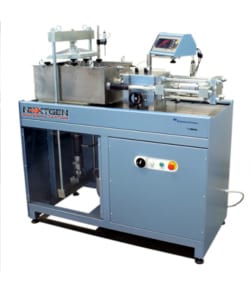
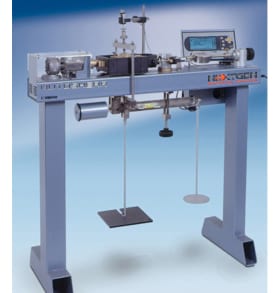
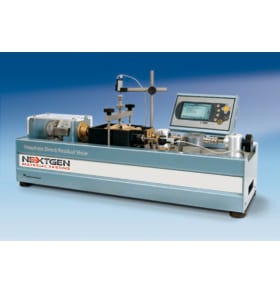
ASTM D3080/D3080M points to a direct shear apparatus capable of applying a controlled normal load while driving shear displacement at a controlled (typically slow) rate appropriate for drained conditions.
Common equipment elements: Direct shear box assembly sized appropriately for the specimen and particle size limitations → normal loading system (dead weights, lever arm, pneumatic/hydraulic, or electromechanical) → horizontal drive/actuator with controlled displacement rate → shear load measurement (proving ring or load cell) → displacement measurement for horizontal (and commonly vertical) movement → provisions for water access during consolidation/shearing when submerged or wetted conditions are required.
If you are selecting a shear box size, loading capacity, or control/data acquisition package for ASTM D3080/D3080M work, you can request a detailed quote for an equipment configuration matched to your specimen sizes and target normal stress range.
How to Read This Designation or Revision
D3080/D3080M: The “D” designation indicates an ASTM standard in the ASTM “D” series, and the “/D3080M” format indicates a combined standard that presents requirements in both inch-pound and SI units.
“-23” (example): The suffix year indicates the edition year associated with that version of the standard. Because setup details and reporting expectations can change between editions, purchase specifications and test requests should cite the exact designation (including the year suffix) being required.
Units note: ASTM D3080/D3080M presents inch-pound and SI units as separate systems; test requests and reporting should be consistent with the unit system specified for the work.
Related Standards, Methods, or Frameworks
ASTM D3080/D3080M is commonly used alongside other soil characterization and laboratory quality framework documents referenced within geotechnical testing programs.
- ASTM D3740 (practice addressing minimum requirements for agencies engaged in testing and/or inspection of soil and rock)
- ASTM D6026 (practice addressing guidelines for significant digits and rounding)
- Other shear strength methods may also be specified depending on drainage condition, soil type, and project intent (for example, triaxial test methods for cohesive soils), but they are not interchangeable without engineering review.
Get help selecting a D3080 direct shear setup
When you share your target specimen size, normal stress range, drainage approach (dry vs submerged), and data/reporting requirements, we can help narrow down a direct shear configuration that aligns with ASTM D3080/D3080M and your lab workflow. For equipment selection help, contact our team.