ASTM D4546 describes laboratory test methods used to measure one-dimensional wetting-induced swell or collapse of unsaturated soils, plus a method for load-induced compression after wetting-induced deformation. It is commonly applied in geotechnical investigations where moisture changes can drive heave or settlement in earthworks and foundation subgrades.
Because results are highly sensitive to the chosen loading and wetting (inundation) sequence, equipment setup and the cited edition matter when you are matching a lab procedure to a project specification. If you need help aligning your workflow to the correct method and configuration, talk with our team.
ASTM D4546 Standard Test Methods for One-Dimensional Swell or Collapse of Soils
ASTM D4546 is a set of geotechnical laboratory test methods used to quantify vertical (one-dimensional) deformation when laterally confined soil is wetted under controlled vertical stress. The standard includes procedures for reconstituted specimens (to simulate compacted fill conditions), intact specimens (to represent in-situ soils or existing compacted fills), and a method that evaluates load-induced compression after wetting-related deformation.
Quick Definition
ASTM D4546 is used to measure one-dimensional wetting-induced swell or collapse strain of unsaturated soils under selected vertical pressures, and to support interpretation of swell pressure and free swell strain where applicable to the chosen method.
What This Standard Covers
This standard covers multiple laboratory methods performed on laterally constrained soil specimens that are subjected to vertical stress and then wetted (inundated) to drive swelling or collapse. The methods are commonly selected to represent either (1) compacted fill behavior using reconstituted specimens, (2) natural deposit or existing fill behavior using intact samples, or (3) compression behavior after wetting-induced deformation.
What it measures: One-dimensional swell/collapse strain under defined stress and wetting conditions, and (where supported by the selected method and interpretation approach) parameters such as swell pressure and free swell strain.
What it does not replace: Project-specific heave/settlement analysis, field moisture path characterization, and the full set of soil index and strength tests typically required for design.
Why This Standard Matters in Testing
Expansive or collapsible soils can drive costly performance issues: slab/foundation distortion, pavement roughness, embankment movement, and utility distress. ASTM D4546 supports quantifying deformation potential under controlled laboratory conditions so teams can compare soil zones, evaluate mitigation needs, and develop inputs for heave/settlement estimates for confined profiles.
For lab managers and QA/QC teams, the standard also drives repeatability requirements around specimen condition, vertical stress selection, inundation timing, and deformation measurement resolution.
Common Materials, Product Types, or Applications Covered
ASTM D4546 is most commonly used for unsaturated fine-grained soils and other soil types that can exhibit wetting-induced volume change under confinement.
Typical applications: Expansive subgrades and backfill, compacted engineered fill, natural clayey deposits, collapsible soils, building pads, roadway subgrades, embankments, and sites where wetting from drainage changes, irrigation, or seasonal moisture variation is a design concern.
Common Test or Verification Workflow
Workflows vary by project objective and which method is specified, but most ASTM D4546 programs follow a consistent pattern: prepare (or obtain) a laterally constrained specimen, apply a selected vertical stress, wet (inundate) the specimen according to the method sequence, and track vertical deformation versus time and/or loading.
Common workflow elements: Specimen trimming or reconstitution, seating and target stress application, controlled inundation, time-based deformation monitoring, and reporting of swell/collapse strain under the specified stress condition(s).
Practical caution: Equipment capability should match the intended vertical stress range and deformation resolution, and the selected method sequence should reflect the field loading and wetting path being evaluated.
Equipment Commonly Used for This Standard
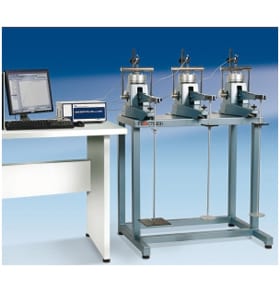
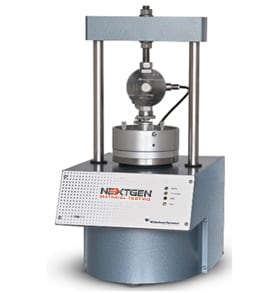
ASTM D4546 is commonly run using an oedometer-style (consolidation) test setup configured for wetting/inundation and accurate vertical deformation measurement under controlled vertical load.
Common equipment families: Oedometer/consolidation frames or load systems, laterally confining rings/cells, porous stones and drainage components, water reservoir or inundation system, and displacement measurement hardware.
Typical instrumentation and accessories: Dial gauges or LVDTs for deformation, load measurement/control hardware (depending on frame type), specimen trimming tools, balance, and drying/conditioning tools commonly used in geotechnical laboratories.
If you are selecting a frame capacity, cell/ring size, or displacement sensing package for your intended stress levels and specimen types, you can request a detailed quote for an ASTM D4546-oriented configuration.
How to Read This Designation or Revision
Designation format: ASTM D4546 is the base standard number.
Revision year suffix: A citation such as ASTM D4546-25 indicates the edition (year) associated with that version of the document. Project specifications may require a particular year, and method details, notes, or referenced practices can change across revisions.
Best practice for purchasing/quoting equipment: Match the equipment and reporting expectations to the exact edition and method letter referenced in the project documents.
Related Standards, Methods, or Frameworks when useful
ASTM D4546 testing is commonly specified alongside other geotechnical characterization and quality framework documents. Related standards often include soil classification and index testing standards, moisture content determination, and laboratory practices used to evaluate lab competence for geotechnical testing programs.
Related practice mentioned with this standard: ASTM D3740 (commonly referenced as a practice used to evaluate competency of agencies performing testing/sampling/inspection for soil and rock).
Talk with us about ASTM D4546 setups
If you are planning a swell/collapse program and need to match an oedometer-style system, sensors, and accessories to the method and stress range cited in your specification, contact our team with your target specimen type (intact vs. reconstituted), expected stress levels, and reporting needs.