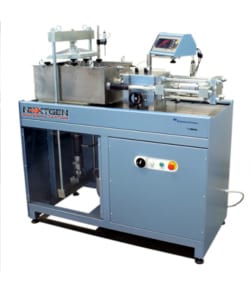
ASTM D5321 is a direct shear test method used to measure the shear strength at interfaces between soil and geosynthetics, or between two geosynthetics. It is widely used to support stability and design decisions where sliding can occur along an interface.
If you need help matching the standard’s interface, soil condition, and stress range to a realistic lab setup, talk with our team about your application.
ASTM D5321 — Standard Test Method for Determining the Shear Strength of Soil-Geosynthetic and Geosynthetic-Geosynthetic Interfaces by Direct Shear
ASTM D5321 (commonly cited as ASTM D5321/D5321M in more recent editions) describes a laboratory direct shear approach for measuring interface shear resistance under a constant rate of deformation. The results are typically used as performance-based design values for the specific materials and test conditions selected.
This standard is commonly used in geotechnical and geoenvironmental projects where interface shear behavior influences slope stability, anchorage, overlap detailing, and overall system safety factors.
Quick Definition
Standard type: Test method (laboratory direct shear of interfaces).
Measures: Total shear resistance at a soil–geosynthetic interface or geosynthetic–geosynthetic interface under defined normal stress and displacement conditions.
Common output use: Interface shear strength parameters or design values tied to the tested materials and setup (not a universal material property).
What This Standard Covers
ASTM D5321 covers a procedure for determining shear resistance for:
- Soil against a geosynthetic (for example, soil against a geomembrane or geotextile surface)
- Geosynthetic against geosynthetic (for example, layered geosynthetic systems where internal sliding is possible)
The method is intended to model selected field conditions. Results are generally limited to the specific materials, normal stresses, drainage/conditioning approach, and displacement conditions used during the test program.
Important limitation: Geosynthetic clay liners (GCLs) are addressed by a different ASTM method (ASTM D6243), rather than ASTM D5321.
Why This Standard Matters in Testing
Interface shear strength is often a controlling design input for lined slopes, cover systems, and reinforced soil structures. ASTM D5321 is used to quantify how a specific interface behaves under a defined normal stress range and displacement path, helping teams avoid over-reliance on assumed friction values.
Because interface results can be sensitive to how the specimen is prepared, mounted, and sheared (and to the soil condition and loading details), many projects treat ASTM D5321 as a project-specific performance test rather than a simple pass/fail check.
Common Materials, Product Types, or Applications Covered
ASTM D5321 is commonly applied to geosynthetic interfaces used in civil, environmental, and mining applications, including:
- Landfill liner and cap systems
- Mining facilities such as heap leach pads and tailings impoundments
- Hydraulic barriers and cutoffs (for example, dams and containment structures)
- Geosynthetic-reinforced retaining walls and embankments
- Base and separation systems where interface sliding may influence stability
Typical interfaces include soil against geomembranes (smooth or textured), geotextiles, and composite interfaces, as well as geosynthetic-to-geosynthetic contacts within layered systems.
Common Test or Verification Workflow
ASTM D5321 testing is usually planned around the project’s anticipated interface and loading environment.
Common workflow:
- Select the specific interface pair (soil–geosynthetic or geosynthetic–geosynthetic) and specimen orientation representative of field installation.
- Define the normal stress levels to bracket expected field stresses (often multiple points for design envelopes).
- Prepare and condition the soil (for example, gradation, moisture condition, and placement method) and mount the geosynthetic(s) in the shear box per the project’s needs.
- Apply normal load and shear at the defined displacement rate while recording shear load and displacement.
- Interpret peak and/or post-peak behavior based on the project’s stability model and the displacement level of interest.
Good practice: Many specifications also reference laboratory competence expectations (often via ASTM D3740) because interface results can be strongly influenced by test technique and setup details.
Equipment Commonly Used for This Standard
ASTM D5321 typically points to a direct shear test system configured for geosynthetic interfaces rather than small-soil-only shear boxes.
Common equipment families:
- Direct shear apparatus: A shear box assembly sized and configured to accept geosynthetics and interface specimens, with provisions for secure mounting and controlled shearing.
- Normal load system: Dead weights, pneumatic, hydraulic, or electromechanical loading capable of maintaining target normal stress during the shear phase.
- Shear drive and controls: A displacement-controlled actuator capable of a constant rate of deformation and the travel needed to capture peak and post-peak behavior when required.
- Instrumentation: Load measurement for shear (and normal, when applicable), plus displacement measurement and data acquisition for force–displacement curves.
- Specimen prep tools: Soil preparation/placement tools and cutting/handling tools to minimize disturbance and preserve representative surface conditions.
If you are selecting a direct shear system for geosynthetic interface testing (capacity, travel, box size, control mode, and data capture), you can request a detailed quote for a configuration matched to your interface and stress range.
How to Read This Designation or Revision
ASTM citations for this method may appear as:
- ASTM D5321 (base designation), or
- ASTM D5321/D5321M-YY where the “-YY” suffix indicates the edition year of the specific revision being cited.
Because apparatus details, reporting expectations, and interpretation cautions can change by revision, make sure the purchase specification and the lab report reference the same cited edition.
Related Standards, Methods, or Frameworks
ASTM D5321 is often referenced alongside other geosynthetics and geotechnical testing standards depending on the interface being evaluated and the project acceptance requirements.
Common related references include: ASTM D6243 (for GCL-related interface/shear evaluation where applicable) and ASTM D3740 (laboratory practice expectations commonly used to support geotechnical test quality).
Get help selecting a D5321 direct shear setup
For geosynthetic interface projects, the right configuration depends on your interface type, stress range, displacement targets, and whether you need peak, post-peak, or specified-displacement values. If you want to align equipment and reporting to the edition cited in your specification, contact our team to discuss your test plan and system requirements.