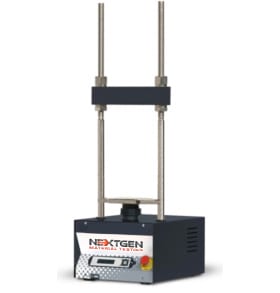
ASTM D5581 is a standard test method used to evaluate the resistance to plastic flow of asphalt paving mixtures using the Marshall apparatus with a 6 in. (152.4 mm) diameter cylindrical specimen.
It is commonly applied in asphalt mix design and in performance checks where Marshall stability (maximum load) and flow are needed for decision-making on mix proportions, materials, and process control. If you need help matching this method to your specimen size, compaction approach, or reporting requirements, you can talk with our team.
ASTM D5581 Standard Test Method for Resistance to Plastic Flow of Asphalt Mixtures Using Marshall Apparatus (6 in. Diameter Specimen)
ASTM D5581 describes a Marshall-method workflow for 6 in. diameter asphalt mixture specimens, focusing on measuring maximum load (often called stability) and flow under the Marshall loading configuration.
This is a laboratory test method that supports mixture design activities, comparative evaluation of mixes, and certain evaluation uses for specimens prepared or obtained from paving work (for example, cores), where appropriate.
Quick Definition
Document type: Test method.
In one line: Measures maximum load and flow of a 6 in. diameter asphalt mixture specimen loaded on its side using the Marshall apparatus to indicate resistance to plastic flow.
Typical outputs: Maximum load (stability) and flow; the method is also commonly paired with density and air-void-related calculations when specimens are prepared in a controlled way.
What This Standard Covers
ASTM D5581 covers the measurement of resistance to plastic flow for cylindrical asphalt paving mixture specimens using the Marshall apparatus and a 6 in. diameter specimen format.
It is intended for asphalt mixtures made with asphalt binder and aggregate, including mixes with aggregate up to 1.5 in. (37.5 mm) nominal maximum size.
Why This Standard Matters in Testing
Marshall stability and flow remain widely used as practical indicators for mix design checks and mix comparison. For labs and producers, D5581 provides a standardized way to generate comparable results when the 6 in. diameter specimen format is specified.
From an equipment standpoint, the method drives decisions on load-frame capability, Marshall breaking head hardware, flow measurement setup, and temperature conditioning—details that directly affect repeatability and throughput.
Common Materials, Product Types, or Applications Covered
ASTM D5581 is typically used for asphalt paving mixtures (asphalt binder plus aggregate) where a Marshall-method stability/flow result is required using a 6 in. diameter specimen.
Common use cases: Laboratory mix design work, comparison of candidate mix designs, and certain evaluation checks using specimens prepared in the lab or obtained from paving (for example, cored specimens), when a Marshall-style maximum load and flow measurement is desired.
Common Test or Verification Workflow
Most Marshall-method programs follow a repeatable sequence: prepare cylindrical specimens to the required geometry, condition them to the specified test temperature, then load the specimen in the Marshall apparatus while capturing maximum load and flow.
Common workflow elements: Specimen preparation/compaction, dimensional checks, temperature conditioning (often via a controlled water bath or chamber), Marshall loading with continuous load measurement, and flow measurement at/near maximum load.
Practical caution: Results are sensitive to specimen dimensions, temperature conditioning control, and the specific loading/measurement configuration called out by the cited edition—so equipment setup and procedure control should be aligned to the exact version referenced in the project documents.
Equipment Commonly Used for This Standard
ASTM D5581 points to the Marshall apparatus configuration sized for 6 in. diameter specimens and the supporting temperature-conditioning and measurement tools used to generate stability and flow.
| Equipment / system | Why it matters for D5581 |
|---|---|
| Marshall loading frame or suitable compression load frame | Applies the controlled load to the specimen through the Marshall breaking head and captures maximum load (stability). |
| 6 in. Marshall breaking head / loading fixture set | Provides the correct loading geometry for the 6 in. diameter specimen format. |
| Load measurement (load cell or proving-ring system) with readout / data acquisition | Needed to determine maximum load accurately and consistently. |
| Flow measurement device (dial indicator or displacement transducer, as applicable) | Measures deformation/flow at the required point in the test, typically referenced at/near maximum load. |
| Temperature conditioning (water bath or controlled chamber) and thermometry | Marshall results are temperature-sensitive; conditioning control is a key driver of repeatability. |
If you are selecting a Marshall frame, fixture set, or upgrading load/flow measurement and data capture, you can request a detailed quote based on your specimen format, throughput needs, and reporting workflow.
How to Read This Designation or Revision
Designation basics: “D5581” identifies the ASTM method number within Committee D04 (Road and Paving Materials) jurisdiction for mechanical testing of asphalt mixtures.
Year suffix: When cited as “D5581-25” (for example), the “-25” indicates the year of issue for that edition (original adoption year or, if revised, the year of last revision).
Reapproval and editorial marks: Some citations include a reapproval year in parentheses, and a superscript epsilon (often shown as “e1”) to indicate an editorial change since the last revision or reapproval. For purchasing, compliance, or dispute avoidance, match the exact designation shown in the project specification.
Related Standards, Methods, or Frameworks when useful
Marshall-method testing is also commonly specified using other ASTM documents depending on specimen size and preparation practices.
-
ASTM D6927: Marshall stability and flow test method commonly used for 4 in. (102 mm) diameter specimens, often paired with a separate practice for specimen preparation.
Talk with us about a D5581-ready Marshall setup
If your lab runs multiple Marshall specimen formats (or you need to align fixtures, conditioning, and measurement to a specific D5581 edition), we can help you define a practical configuration and documentation package. To get pricing and configuration options, ask for a quote.