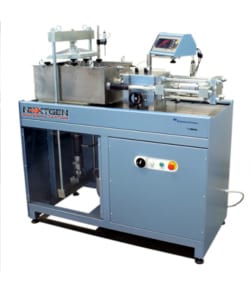
ASTM D6243/D6243M is a standard test method for measuring the internal shear resistance of a geosynthetic clay liner (GCL) and the interface shear resistance between a GCL and an adjacent material using a direct shear approach under a constant rate of deformation.
Because GCL shear behavior depends heavily on the chosen normal stress, hydration/moisture condition, and the specific interface materials involved, many projects treat this as a design-support and acceptance test. If you need help aligning your test plan and setup with the exact interface condition being specified, talk with our team.
ASTM D6243/D6243M-26 — Standard Test Method for Determining the Internal and Interface Shear Strength of Geosynthetic Clay Liner by the Direct Shear Method
This standard is used when the controlling question is whether sliding (or shear separation) could occur within a GCL itself, or along the interface between the GCL and neighboring materials such as soils or other geosynthetics.
The method is commonly used to develop shear strength values for specific test conditions selected by the user (for example, a target range of normal stresses and a defined interface pairing), rather than to establish a universal material property.
Quick Definition
Document type: Standard test method (direct shear).
Primary purpose: Determine internal shear resistance of a GCL, or interface shear resistance between a GCL and an adjacent material, under a constant rate of deformation.
Typical outcome: A shear resistance/strength value (and often a shear stress vs. displacement response) tied to the specific normal stress level(s) and specimen/interface condition tested.
What This Standard Covers
ASTM D6243/D6243M provides procedures for running direct shear tests on GCLs to evaluate:
- Internal shear resistance within the GCL structure (for example, along internal planes where sliding could occur).
- Interface shear resistance between a GCL and an adjacent material (for example, soil/GCL or GCL/geosynthetic interfaces).
The scope highlights that the standard includes multiple test procedures intended to address setup and shearing considerations that can vary with the materials being tested.
Why This Standard Matters in Testing
In containment and barrier systems, shear resistance can be a controlling stability parameter—especially on slopes or where layered systems rely on frictional and/or interlocking mechanisms between components.
This standard is often used to generate design-relevant values for the specific combinations of normal stress, hydration/drainage condition, and interface pairing used in a project. The standard also cautions that results can vary with specimen preparation, gripping/mounting approach, and device-specific details, so matching the intended condition is critical when comparing data.
Common Materials, Product Types, or Applications Covered
Common materials: Geosynthetic clay liners (GCLs), plus adjacent materials used as interfaces (for example, soils and geosynthetics).
Common applications: Design and evaluation of liner and cap systems for landfills, hydraulic barrier and cutoff applications (including dams), and other installations where a GCL may be placed on a slope or where sliding between layers is a concern.
Common Test or Verification Workflow
Projects typically apply ASTM D6243/D6243M in a workflow where the interface condition is defined first, then the direct shear setup is configured to represent that condition as closely as practical.
Common workflow decisions: Selection of internal vs. interface testing, definition of adjacent materials, target normal stress levels, conditioning/hydration approach appropriate to the application, and a displacement-controlled shearing plan that supports the required design or acceptance criteria.
When the test is used for acceptance of commercial shipments, the standard notes that interpretation should be tied to the actual test conditions and that acceptance criteria and data interpretation may require agreement between parties.
Equipment Commonly Used for This Standard
ASTM D6243/D6243M is a direct shear method, so equipment selection is driven by the need to apply controlled normal load and controlled horizontal displacement while measuring shear force and displacement accurately for GCL-sized specimens and interfaces.
Common equipment: Direct shear apparatus suitable for GCL/internal or GCL-interface testing, normal load application system, displacement drive/control system (constant rate of deformation), shear/load measurement (load cells), displacement measurement (LVDTs or comparable sensors), and a data acquisition/control package.
Common accessories: Specimen mounting/gripping surfaces appropriate to the interface being tested, preparation tools for trimming/cutting specimens, and (when soils are part of the interface) equipment to prepare and place soil consistently in the shear box.
If you are selecting a shear device size, load capacity, or control package for GCL interface work, you can request a detailed quote with the key ranges (normal stress, specimen size, and displacement control) matched to your test plan.
How to Read This Designation or Revision
D6243/D6243M: ASTM “D” standards are commonly associated with materials such as soils, geosynthetics, and related construction materials. The combined “D6243/D6243M” format indicates the standard is published with both SI and inch-pound units, presented as separate unit systems.
-26 suffix: The numeric suffix indicates the year of the referenced revision/edition (for example, “-26” for a 2026 edition). Because requirements and notes can change between editions, test setup details and reporting expectations should follow the exact version cited in your contract documents.
Related Standards, Methods, or Frameworks
ASTM D6243/D6243M references other ASTM documents that are often used alongside GCL direct shear testing, depending on the materials being evaluated and the project context.
Commonly paired references: ASTM D5321/D5321M (direct shear for soil-geosynthetic and geosynthetic-geosynthetic interfaces beyond GCL-specific configurations), ASTM D7702/D7702M (guidance related to interpreting direct shear results obtained using this test method), and ASTM D3740 (practice related to minimum requirements for laboratories engaged in soil and rock testing).
Talk with Us About ASTM D6243/D6243M Test Setup
If you need to align a direct shear system, fixtures, and instrumentation to a specific GCL interface condition (including normal stress range and specimen size), contact our team to review your application and recommended configuration.