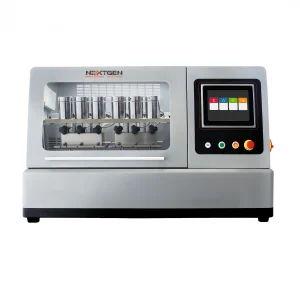
ASTM D648 is a standard test method used to determine the temperature at which a rigid or semi-rigid plastic specimen reaches a defined deflection while loaded in edgewise three-point bending during controlled heating (often reported as heat deflection temperature, HDT, or deflection temperature under load, DTUL). For many plastic product lines, it is a common requirement for material characterization, incoming QA/QC, and supplier data comparisons.
If you are unsure whether ASTM D648 is the right heat-resistance metric for your material (or whether ISO 75 is being cited instead), talk with our team about the application and the specific edition being referenced.
ASTM D648 — Standard Test Method for Deflection Temperature of Plastics Under Flexural Load in the Edgewise Position
ASTM D648 defines a lab procedure for measuring the temperature at which an arbitrary deformation occurs under a defined set of loading and heating conditions. It is widely used for comparing materials and for control/development work where a repeatable, standardized thermal-mechanical indicator is needed.
Because this is a short-duration, controlled loading/heating test, the reported temperature is best used as a comparative property under similar conditions—not as a direct predictor of long-term elevated-temperature performance in service.
Quick Definition
ASTM D648 (HDT/DTUL): The temperature at which a plastic test bar, loaded in edgewise bending, reaches a specified deflection as the surrounding medium is heated at a controlled rate.
What This Standard Covers
ASTM D648 applies to molded and sheet plastic materials that are rigid or semi-rigid at normal temperature and are typically tested at thicknesses of 3 mm (0.125 in.) or greater. When thinner sheet is involved, the method describes the use of a composite specimen approach to reach the minimum thickness requirement.
The method is designed around a defined specimen support/loading configuration and a controlled heating environment, producing a single reported temperature tied to the selected conditions and deflection criterion.
Why This Standard Matters in Testing
ASTM D648 is frequently used to compare the relative heat resistance of plastics under a standardized bending load. It is particularly common in material development, lot-to-lot monitoring, and supplier qualification workflows where a consistent test setup is more important than simulating a specific end-use geometry.
Practical caution: ASTM D648 results are sensitive to the chosen loading condition, heating profile, specimen preparation/orientation, and the exact edition cited. For design or endurance decisions at elevated temperature, teams typically pair HDT/DTUL with additional thermal and mechanical data that better reflect the intended service conditions.
Common Materials, Product Types, or Applications Covered
ASTM D648 is most commonly applied to rigid and semi-rigid plastics, including:
- Injection molded thermoplastics used for housings, structural components, and under-hood-type parts
- Thermoset molded materials where comparative heat resistance is specified
- Extruded or calendered sheet where a minimum thickness (or composite build-up) can be met
In procurement and datasheet contexts, the reported HDT/DTUL value is often used as a quick screen when comparing candidate resins or verifying that a supplied lot aligns with a published grade.
Common Test or Verification Workflow
Most ASTM D648 workflows follow a repeatable sequence:
- Prepare specimens to the required dimensions and thickness requirements (including any composite build-up when used).
- Condition specimens as required by the controlling material or product specification (when applicable).
- Mount the specimen edgewise on supports in a deflection-temperature apparatus and apply the specified loading condition.
- Heat the immersion medium in a controlled manner while monitoring deflection.
- Record the temperature when the specified deflection criterion is reached, and report the result with the full set of test conditions (load/stress condition, heating rate, specimen details, and any specification-required modifications).
Specification overrides: Many material specifications reference ASTM D648 but add procedural or reporting requirements. When a purchase specification calls out ASTM D648, those additional requirements typically control what must be run and how it must be reported.
Equipment Commonly Used for This Standard
ASTM D648 is typically run on a dedicated HDT/DTUL test system designed to apply a constant bending load while the specimen is heated in a controlled bath. Configuration details depend on throughput needs, specimen sizes, and how tightly the lab must control temperature uniformity and deflection measurement.
Common equipment elements: HDT/DTUL apparatus with edgewise loading fixtures, calibrated weights or loading system, temperature-controlled heating bath (often oil) with controlled ramping, specimen supports, and a deflection measurement system.
Safety and lab operations: Many labs use modern temperature sensing and controls; older approaches may involve legacy thermometry and require additional safety controls depending on the setup and local regulations.
If you are selecting a new HDT/DTUL system or expanding channel count for higher throughput, you can request pricing for an ASTM D648-ready configuration matched to your specimen size and reporting needs.
How to Read This Designation or Revision
“ASTM D648” identifies the test method. When a suffix year is included (for example, a format such as D648-18), it indicates the edition year of the referenced version. Always match the test setup, conditioning, and reporting to the exact edition (and to any product or material specification that cites ASTM D648 with modifications).
Related Standards, Methods, or Frameworks
ASTM D648 is often discussed alongside other plastics heat-resistance indicators. A common example is ASTM D1525 (Vicat softening temperature), which measures a temperature associated with specified penetration under load rather than bending deflection under flexural load.
ASTM D648 also overlaps in topic with ISO 75-1 and ISO 75-2; however, ISO and ASTM procedures differ in technical content and results are not intended to be directly compared unless a program explicitly addresses that difference.
Get help aligning ASTM D648 requirements to your lab setup
When ASTM D648 is called out in a datasheet, purchase spec, or customer drawing, the details (edition, load/stress condition, heating profile, and reporting format) drive the equipment configuration. If you want to confirm what your program requires before committing to equipment or capacity, contact our team with the cited requirement and material type.