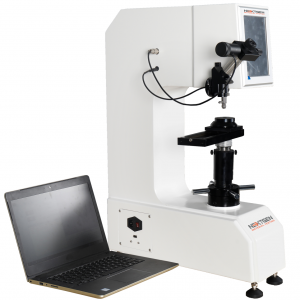
ASTM E10-12 is an ASTM test method for measuring Brinell hardness of metallic materials using the Brinell indentation principle. It is widely used for shop-floor and laboratory hardness checks on metals where a larger indentation is appropriate for the material and surface condition.
If you need help determining whether Brinell hardness is the right approach for your part geometry, surface condition, and acceptance requirements, talk with our team about your application.
ASTM E10-12 — Standard Test Method for Brinell Hardness of Metallic Materials
ASTM E10-12 describes requirements for Brinell hardness testing machines and procedures for performing Brinell hardness tests on metallic materials. The standard also includes annexes covering verification and standardization activities that support confidence in reported hardness values.
Quick Definition
What it is: A standardized Brinell indentation hardness test method for metallic materials.
What you get: A Brinell hardness value derived from an indentation made under a specified test force using a spherical indenter.
What else it addresses: Requirements and annex guidance for verifying Brinell hardness machines and standardizing indenters and hardness test blocks.
What This Standard Covers
ASTM E10-12 covers determination of Brinell hardness of metallic materials by making an indentation and evaluating it per the Brinell method. It provides requirements for the testing machine and procedural requirements for performing the test.
In addition to the core test procedure, the standard includes annexes addressing verification of Brinell hardness testing machines, Brinell hardness standardizing machines, and the standardization of indenters and hardness test blocks.
Why This Standard Matters in Testing
Brinell hardness testing is commonly used to support incoming inspection, process monitoring, and material selection decisions for metallic products. Brinell hardness values are often used as practical indicators that may correlate with properties such as tensile strength, wear resistance, or ductility for many metallic materials.
This method is also widely used for acceptance testing of commercial shipments; however, localized hardness on a part may not represent the properties of the entire part or product.
Common Materials, Product Types, or Applications Covered
ASTM E10-12 is used for metallic materials across a range of forms where Brinell indentation hardness is appropriate.
Common examples: Castings, forgings, plate and bar stock, heat-treated components, and larger metal parts where a larger indentation can help average microstructural variability.
Common Test or Verification Workflow
A typical ASTM E10-12 workflow centers on selecting an appropriate Brinell test force and indenter for the material, producing an indentation, and determining the Brinell hardness result per the method.
Common workflow elements: Selecting the Brinell test parameters; preparing a suitable test surface; performing the indentation on a Brinell hardness machine; measuring the indentation using an optical system or automated reading (as equipped); and documenting the hardness result along with the applicable test conditions as required by the standard and the purchaser/specification.
Where traceability and confidence are required, ASTM E10-12 also points to verification and standardization practices for the machine, indenter, and test blocks.
Equipment Commonly Used for This Standard
ASTM E10-12 primarily drives selection and configuration of Brinell hardness testing equipment and the supporting verification accessories used to maintain the test system.
Common equipment: Brinell hardness testing machine; Brinell indenters (spherical); part support/anvils appropriate to the test piece geometry; indentation measurement capability (optical or automated, depending on system); and certified/standardized hardness test blocks used for verification and ongoing checks.
If you are selecting a Brinell system for a specific force range, part size, or throughput requirement, you can request a detailed quote for a configuration matched to your workflow.
How to Read This Designation or Revision
ASTM E10: The core ASTM designation for the Brinell hardness test method for metallic materials.
“-12” suffix: Indicates the 2012 edition of ASTM E10. Many procurement documents and quality plans require testing to a specific year/edition, so the cited revision should be matched to your customer or regulatory requirement.
Note on currency: ASTM publishes newer revisions of E10; if a contract calls out ASTM E10 without a year, clarify whether the latest active edition is required or whether a specific historical edition (such as E10-12) is mandated.
Related Standards, Methods, or Frameworks
Brinell hardness is one of several common hardness methods used for metals. In many organizations, Brinell testing is used alongside other indentation hardness methods depending on material, thickness, and surface condition.
Practical note: If your job travelers, drawings, or purchase orders mix hardness methods (for example, Brinell vs. Rockwell vs. Vickers), ensure the acceptance criteria and reporting units are aligned with the specified method rather than relying on informal conversions.
Get help selecting Brinell hardness testing equipment for ASTM E10-12
If you want help matching ASTM E10-12 to a specific tester type, verification approach, and reporting needs for your materials and part geometry, contact our team to discuss your requirements.