ASTM E21 describes test methods used to run tensile tests on metallic materials at elevated temperature. It is commonly referenced when teams need tensile strength, yield strength, elongation, and reduction of area measured at temperature for design allowables, material qualification, or process verification.
If you are unsure whether ASTM E21 is the right fit for your temperature range, specimen form, or reporting needs, talk with our team about your application before you lock in a test plan.
ASTM E21 – Standard Test Methods for Elevated Temperature Tension Tests of Metallic Materials
ASTM E21 is a test-methods document focused on uniaxial tensile testing performed while the specimen is held at an elevated temperature. It defines procedures and equipment considerations aimed at producing comparable tensile property data under controlled thermal conditions.
This standard is typically used for metals and alloys intended for service where temperature meaningfully affects strength and ductility, such as high-temperature industrial processing, power generation, and other hot-service environments.
Quick Definition
Standard type: Test methods.
What it measures at elevated temperature: Tensile strength, yield strength, elongation, and reduction of area.
What it does not cover: Modulus of elasticity and proportional limit, and testing under rapid heating or rapid strain-rate conditions.
What This Standard Covers
ASTM E21 covers procedures and equipment used to determine key tensile properties for metallic materials at elevated temperature. In practice, it connects the tensile test to a controlled thermal environment so that the force–extension (and often stress–strain) response can be measured while the material is hot.
Because heating and temperature measurement can influence results, the standard places emphasis on temperature control practices and on running the tensile test in a way that supports consistent, repeatable data.
Why This Standard Matters in Testing
Room-temperature tensile results can be a poor predictor of performance at temperature. ASTM E21 supports decisions where strength and ductility must be understood under hot-service conditions, including comparing lots, comparing heat treatments, screening alternate suppliers, or validating that a material behaves similarly to a baseline.
For QA/QC and procurement, an E21-based requirement can also serve as a standardized way to align expectations on test temperature control, strain measurement approach, and reporting of elevated-temperature tensile properties.
Common Materials, Product Types, or Applications Covered
ASTM E21 is used broadly across metallic materials where tensile properties at temperature are needed. Typical examples include:
- Structural and pressure-retaining alloys intended for hot-service operation
- Metals used in elevated-temperature processing environments
- Materials where yield strength and ductility are evaluated at temperature for comparison, qualification, or acceptance
Specific specimen geometries, acceptance criteria, and required test temperatures are usually driven by the calling specification, purchase order, or engineering standard rather than by ASTM E21 alone.
Common Test or Verification Workflow
A typical ASTM E21 workflow aligns around controlling temperature, then running a uniaxial tensile test and reporting elevated-temperature properties.
Common workflow steps: define the target temperature(s) and soak approach, prepare and grip the specimen, heat and stabilize at temperature, apply tensile loading while tracking force and extension/strain, then calculate and report tensile strength, yield strength, elongation, and reduction of area.
Practical note: The calling document often determines whether the test is for engineering characterization (R&D) or acceptance/verification (QA/QC), which can influence the required reporting detail and how strictly the setup must match the cited edition.
Equipment Commonly Used for This Standard
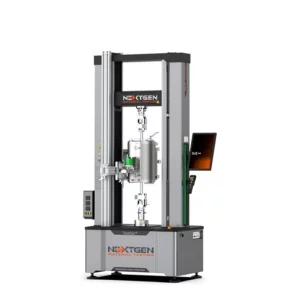
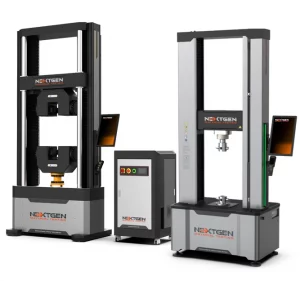
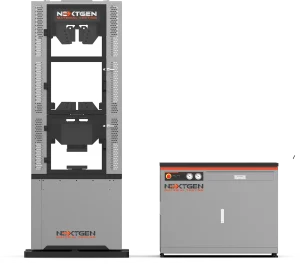
ASTM E21 testing is typically performed on a universal testing system configured for elevated-temperature operation. The core requirement is to apply uniaxial tensile force while maintaining controlled specimen temperature and capturing the measurement channels needed to calculate the required properties.
Common equipment elements: a universal testing machine (electromechanical or servo-hydraulic), high-temperature grips and pull rods suited to the specimen and temperature, a furnace or heating system integrated with the test frame, temperature measurement and control (commonly thermocouples and a controller), and (when required) an extensometer or strain measurement approach suitable for elevated-temperature use.
Quoting caution: Temperature range, specimen size, grip style, and whether strain must be measured on-gage at temperature are usually the largest drivers of system configuration and cost.
How to Read This Designation or Revision
ASTM standards are commonly cited as the standard designation followed by a hyphen and a year.
Example: ASTM E21-20 refers to ASTM standard E21 with a 2020 revision year in the designation. Contract documents may require a specific cited year (edition), so the exact suffix matters when aligning procedures and reporting.
Related Standards, Methods, or Frameworks when useful
ASTM E21 is frequently used alongside other tensile-testing and measurement standards, depending on what a program requires.
Common related references: ASTM E8/E8M (tension testing of metallic materials at room temperature) and extensometer/strain measurement standards used to define accuracy and classification requirements.
When a purchase specification references multiple standards, the controlling document should clarify which requirements govern specimen geometry, strain measurement, and acceptance criteria.
Get help selecting an ASTM E21 test setup
If you are configuring elevated-temperature tensile testing (furnace range, grips, extensometry, and controls), you can request a detailed quote for an equipment package matched to your specimen geometry, temperature targets, and throughput.