BS 1006 NEXT 2, 3, 5 is a buyer/specification-style reference used in textile quality programs to indicate colour fastness verification using NEXT retailer test methods (TM 2, TM 3, and TM 5) aligned with the BS 1006 colour fastness method family.
Because these designations can be cited differently by brand, supplier, and lab, it is important to match the exact TM number and the required wash or dry-cleaning program before selecting settings, vessels, and consumables. If you need help mapping your requirement to a practical lab setup, talk with our team.
BS 1006 NEXT 2, 3, 5 (retailer TM programs for colour fastness)
This designation is typically used when a purchase order, brand manual, or test request calls for NEXT TM 2, TM 3, and TM 5 colour fastness testing using equipment commonly associated with BS 1006-style laundering and dry-cleaning fastness evaluations.
In practice, these references are most often seen in apparel and textile supply chains where repeatable wash/dry-clean simulation and consistent grading of colour change and staining are required.
Quick Definition
What it is: A set of retailer test-method references (NEXT TM 2, TM 3, TM 5) used for assessing colour fastness performance, commonly implemented on a laboratory wash/dry-clean fastness tester (GyroWash/Launder-Ometer style).
Document type: Buyer / retailer test-method requirement (cited alongside BS 1006 colour fastness method conventions rather than as a single standalone BS test method page).
Typical outcome: Controlled laundering or solvent cleaning exposure followed by visual grading of colour change and/or staining (based on the grading system required by the cited program).
What This Standard Covers
BS 1006 NEXT 2, 3, 5 is used to communicate that colour fastness is to be checked using NEXT-defined wash/dry-clean programs. These programs are commonly run to evaluate:
- Resistance to colour change of the specimen after exposure
- Tendency for colour to transfer (stain) onto adjacent materials during the exposure
- Pass/fail or rating requirements tied to a brand’s performance expectation for a specific product type
Specific temperatures, detergents/solvents, cycle durations, ballast/steel ball requirements, adjacent fabric sets, and rating criteria depend on the exact TM program and the edition/issue referenced in the customer requirement.
Why This Standard Matters in Testing
Colour fastness is a high-visibility quality characteristic for consumer textile products. A clear, repeatable method reference helps reduce disputes between brand, mill, dyehouse, and garment factory by defining how the exposure is created and how results are graded.
From an equipment perspective, the cited TM program often drives practical choices such as vessel count, vessel volume, heating capacity, agitation/rotation control, and the consumables that must be standardized (adjacent fabrics, detergents, and assessment tools).
Common Materials, Product Types, or Applications Covered
These references are most commonly applied to dyed or printed textile products and soft goods where laundering or dry-cleaning can cause shade change or staining.
Common examples: Apparel fabrics, garment panels, trims and pocketing fabrics, linings, knitwear, woven fabrics, and certain textile components used in finished consumer products.
Common Test or Verification Workflow
While the exact program depends on the TM number, the workflow typically follows a controlled exposure plus a standardized rating step.
Common workflow steps: Condition and prepare specimens and adjacent materials; run a defined wash or dry-clean simulation in sealed vessels at controlled temperature and agitation; rinse/dry as required by the program; grade colour change and staining using the required visual assessment method and lighting conditions; report ratings and any required observations.
Practical caution: Small differences in vessel loading, liquor ratio, adjacent fabric selection, and detergent/solvent choice can materially change results, so the purchase requirement should be matched to the lab’s programmed method setup.
Equipment Commonly Used for This Standard
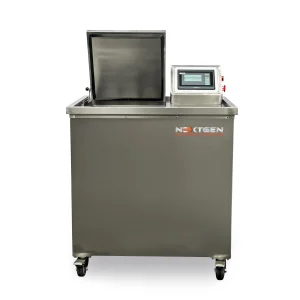
NEXT TM 2/3/5 programs are commonly implemented using laboratory washing and dry-cleaning colour fastness systems designed for repeatable temperature control and agitation with sealed test vessels.
Common equipment: GyroWash / Launder-Ometer style colour fastness tester (multi-vessel); compatible stainless-steel vessels and lids; heating/circulation system; timer and speed control; drainage/fill accessories where applicable.
Common accessories and consumables: Adjacent multifibre fabrics or specified adjacent materials; specified detergents and/or dry-cleaning solvent systems (as required by the cited TM); specimen holders/bags where applicable; steel balls/ballast (only when required by the program); calibrated thermometers/temperature probes.
Evaluation tools: Standardized grey scales or other required rating references, controlled lighting for visual assessment, and documentation templates consistent with the buyer’s acceptance criteria.
How to Read This Designation or Revision
“BS 1006” refers to the British Standards colour fastness method family historically used for textiles and leather, while “NEXT 2, 3, 5” refers to specific NEXT retailer TM programs.
What to capture from a test request: The exact TM number (2 vs 3 vs 5), any lettered variant (if specified), the referenced issue/edition date (if provided), and any brand-specific pass/fail limits or reporting format. If the request only states “BS 1006 NEXT 2, 3, 5” without further detail, the lab typically needs clarification before running the work.
Related Standards, Methods, or Frameworks
These NEXT TM laundering and dry-clean references are commonly seen alongside international colour fastness methods used on similar equipment families.
Often-associated method families: ISO 105 (washing and dry cleaning parts), AATCC laundering and dry-cleaning fastness methods, and other retailer programs (for example, M&S test methods) depending on the supply chain requirements.
Get a GyroWash-style setup for NEXT TM programmes
If you are equipping a lab to run NEXT TM 2, TM 3, and TM 5 programmes, you can request a detailed quote for a vessel configuration, controls, and accessories matched to your sample volume and the specific programmes you need to support.