BS 1377-7:1990 is a British Standard test-method document for determining soil shear strength parameters using approaches based primarily on total stress (commonly used for undrained strength in cohesive soils) and includes a set of laboratory procedures used in geotechnical investigation and design support.
This standard is often referenced when selecting or configuring direct shear, vane shear, unconfined compression, or triaxial compression testing capability for soils. If you need help matching the cited edition in a project specification to a practical lab setup, talk with our team.
BS 1377-7:1990 — Methods of test for soils for civil engineering purposes: Shear strength tests (total stress)
BS 1377-7 is part of the BS 1377 methods-of-test series for soils used in civil engineering. It focuses on shear strength determination where results are expressed in terms of total stresses, and it also includes drained direct shear approaches where effective stresses are taken as equal to total stresses.
This document is commonly used as a laboratory testing reference during ground investigation and when compiling design parameters for earthworks, foundations, retaining structures, slopes, and temporary works where shear strength inputs are required.
Quick Definition
BS 1377-7:1990 is a soil shear-strength testing standard describing laboratory procedures (including direct shear and compression-based approaches) used to derive shear strength parameters expressed primarily in total stress terms.
What This Standard Covers
This standard describes a set of test procedures used to determine shear strength parameters for soils without requiring pore water pressure measurement.
Included test families (examples): Direct shear-type procedures (including lab vane, shear box, and ring shear approaches) and compression-type procedures (including unconfined compression and triaxial compression approaches where undrained shear strength is derived from compressive strength measurements).
Important boundary: Where pore pressure measurement and effective-stress triaxial interpretations are required by a project specification, a different reference is typically needed than this “total stress” part.
Why This Standard Matters in Testing
Shear strength is a core parameter in geotechnical engineering because it underpins stability and bearing calculations. BS 1377-7 is frequently used to support decision-making for short-term/undrained conditions in cohesive soils and to provide a consistent lab workflow for generating strength parameters that are comparable across projects and laboratories.
From an equipment and QA/QC standpoint, the standard matters because it drives specimen size capability, loading and displacement control needs, measurement resolution, and the reporting outputs that must be captured from the test frame and instrumentation.
Common Materials, Product Types, or Applications Covered
BS 1377-7 applies to natural soils and remoulded specimens used in civil engineering works, including cohesive soils (e.g., clays) and granular soils where direct shear methods are used to evaluate shear resistance behavior under defined conditions.
Common applications: Ground investigation reporting, parameter selection for stability/bearing assessments, comparison of alternative earthwork materials, and verification of strength changes due to disturbance or remoulding (where the chosen procedure is appropriate to the soil type and project intent).
Common Test or Verification Workflow
Workflows vary by soil type and the selected procedure, but a typical BS 1377-7 lab sequence includes specimen preparation, apparatus setup and checks, controlled loading/shearing or compression to failure (or defined end condition), calculation of strength parameters, and plotting/reporting of results.
Common workflow elements: Selecting the appropriate method for soil type and drainage intent; preparing specimens to the required dimensions/condition; applying normal stress (for shear box/ring shear) or axial loading (for compression-based methods); recording load and deformation continuously; and deriving/reporting the required strength parameters from the recorded data.
Equipment Commonly Used for This Standard
Equipment selection depends on which BS 1377-7 procedure(s) your lab must run and the soil types and specimen sizes you handle.
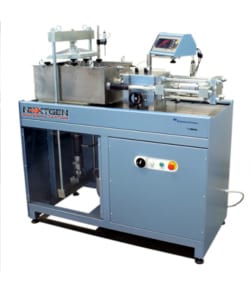
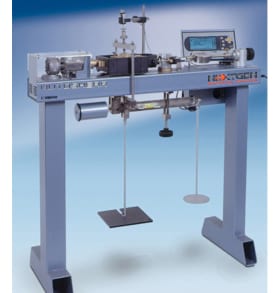
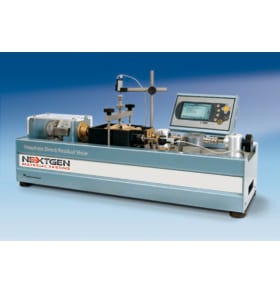
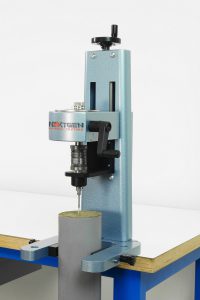
Common equipment families: Direct shear apparatus (shear box and/or ring shear configurations), laboratory vane shear apparatus, unconfined compression test apparatus (load frame with suitable platens), and triaxial compression equipment configured for undrained strength derivation (triaxial cell with pressure systems as required by the chosen procedure).
Typical measurement and control components: Load measurement (load cell/proving system), displacement measurement (dial gauge/LVDT), rate/control hardware (as applicable), and data acquisition/software for generating the required curves and calculated values.
Quoting caution: Practical capability often hinges on specimen size range, force capacity, displacement stroke/resolution, and whether you need manual vs. automated control and recording. If you are comparing configurations for a new setup or upgrade, you can request a detailed quote for equipment matched to the methods you need to run.
How to Read This Designation or Revision
Designation format: “BS 1377-7:1990” refers to the BS 1377 methods-of-test series, Part 7, published in 1990.
Status note: BS 1377-7:1990 has been withdrawn, but it may still appear in legacy specifications, contracts, and historical reports. When a requirement cites “BS 1377-7” without a year, edition-sensitive details (apparatus options, procedure steps, and reporting expectations) can become ambiguous—so it is best practice to confirm the exact cited edition in the project documentation.
Related Standards, Methods, or Frameworks
BS 1377-7 is part of the broader BS 1377 soil testing series and is commonly paired with general requirements and specimen preparation references from other parts of the series. In many specifications, newer EN ISO geotechnical laboratory testing documents may also be referenced for direct shear and compression-based strength testing, especially where effective-stress methods or Eurocode-aligned workflows are required.
Talk to Us About a BS 1377-7 Test Setup
If you need to run shear strength testing cited to BS 1377-7, we can help you map your required procedures to the right apparatus type (direct shear, ring shear, vane shear, unconfined compression, and/or triaxial compression) and the measurement/control package that fits your throughput and reporting needs. Contact our team to discuss your application.