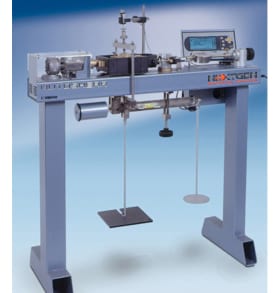
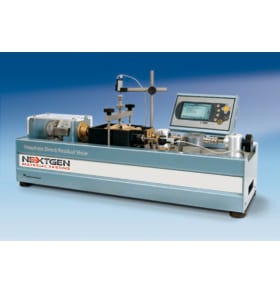
CEN ISO/TS 17892-10 is a geotechnical laboratory testing document for determining soil shear strength using direct shear-type equipment. It is used in ground investigation programs to support design decisions for earthworks, foundations, retaining structures, and slope stability where drained (effective stress) strength is required.
This standard is equipment-oriented: it points labs to a direct shear device (shearbox) and also recognizes ring shear testing concepts for soils. If you need help aligning your project specification to the right edition or selecting an appropriate setup, talk with our team.
CEN ISO/TS 17892-10:2004 — Geotechnical investigation and testing — Laboratory testing of soil — Part 10: Direct shear tests
CEN ISO/TS 17892-10 is a Technical Specification for laboratory direct shear testing of soils. It is intended for geotechnical investigation and testing workflows where a lab result is needed to characterize effective shear strength behavior under controlled normal stress.
Because direct shear testing can be cited for design and verification, equipment configuration and data outputs should match the exact edition referenced in a contract, geotechnical report, or project specification.
Quick Definition
CEN ISO/TS 17892-10 describes laboratory procedures for direct shear testing of soil to derive effective shear strength parameters from drained shearing conditions.
What This Standard Covers
This standard covers direct shear testing where a soil specimen is subjected to a defined normal stress and then sheared while monitoring shear force and displacement. The procedure includes provisions for drainage (and wetting when required), consolidation under the applied normal stress, and controlled horizontal shearing.
Primary output: Effective shear strength parameters derived from test results (commonly expressed in terms of effective stress strength components such as friction angle and cohesion intercept, when that interpretation is required by the project).
Why This Standard Matters in Testing
Direct shear testing is often selected when a straightforward, repeatable method is needed to compare soil behavior under multiple normal stresses, or when a direct shear plane is an acceptable representation for the design question. Results are commonly used to support geotechnical design inputs for stability and bearing-related calculations that rely on drained (effective stress) strength.
From a lab standpoint, this standard helps define what needs to be controlled and measured so that shear strength values are defensible and comparable across tests and projects.
Common Materials, Product Types, or Applications Covered
CEN ISO/TS 17892-10 is used for soils evaluated in geotechnical investigations. Typical use cases include earthworks and excavation support, foundation design, retaining wall design, and slope/embankment stability assessments where effective shear strength is required.
Common sample types: Prepared or trimmed soil specimens tested in a shearbox-type device under controlled normal loading.
Common Test or Verification Workflow
Most labs run this type of work as a controlled sequence that focuses on drainage, consolidation, and stable shearing under normal stress.
Common workflow steps: Place the specimen in the direct shear device → apply a pre-selected normal stress → allow drainage and, when required, wetting → consolidate the specimen under normal stress → release the shear mechanism → shear one half of the device relative to the other at a controlled rate while measuring shear force and displacements → repeat at additional normal stresses when strength parameters are needed.
Equipment Commonly Used for This Standard
This standard typically points to direct shear systems capable of applying normal load, controlling shear displacement rate, and recording force/displacement channels with appropriate resolution.
Common equipment: Direct shear apparatus (shearbox) with a normal loading system, horizontal drive for shearing, load measurement, displacement measurement, and a data acquisition/controller package.
Common accessories: Specimen trimming/preparation tools, porous stones or drainage interfaces (when applicable to the setup), alignment/guidance components to keep shear movement parallel, and fixtures appropriate to the selected specimen size.
If you are configuring a new direct shear station or upgrading controls and sensors, you can request a detailed quote for a setup matched to your specimen sizes, load ranges, and reporting needs.
How to Read This Designation or Revision
CEN ISO/TS 17892-10 indicates a CEN adoption of an ISO Technical Specification in the ISO 17892 laboratory soil testing series, Part 10.
Revision sensitivity: Test conditions, definitions, and reporting expectations can vary by edition. Always match your lab procedure and equipment configuration to the exact year/date cited in the project documents (for example, “:2004”).
Related Standards, Methods, or Frameworks when useful
This document sits within the broader ISO 17892 laboratory soil testing series and is commonly used alongside other index and strength tests selected for a geotechnical investigation program.
Common related framework references: Eurocode 7 geotechnical design and ground investigation/testing references may be cited in project specifications that also call up ISO 17892 methods.
Talk to an applications specialist
If you need to match a direct shear setup to a specific cited edition, specimen size, or load/displacement measurement requirement, contact our team for practical guidance on system configuration and documentation support.