DIN 50125 defines standardized tensile test pieces (specimens) for testing metallic materials. It focuses on test piece geometry, dimensions, and related dimensional rules used to prepare repeatable tensile specimens for lab and production testing.
If you need help matching specimen form (round, flat, threaded-end, etc.) to your grips, extensometer, and available stock dimensions, talk with our team about your application before you commit to fixtures or machining.
DIN 50125:2022-08 — Testing of metallic materials – Tensile test pieces
DIN 50125 is used when the tensile test itself is being performed to a metallic-materials tensile test method, but the lab or workshop needs clear, standardized guidance for how the tensile specimen should be shaped and sized.
Because specimen geometry directly affects alignment, gripping, extensometer placement, and measured elongation, DIN 50125 is often referenced alongside tensile test execution standards to ensure specimens are prepared consistently.
Quick definition
What it is: A DIN standard for tensile test piece (specimen) geometry and dimensions for metallic materials.
What it is not: A complete tensile test method by itself; it primarily supports specimen design and preparation for tensile testing.
Typical outcome: A clearly defined specimen type and size that can be machined, identified/marked, gripped, and measured consistently during tensile testing.
What this standard covers
DIN 50125 covers requirements and example dimensions for metallic tensile test pieces, including common specimen families such as round and flat specimens and variants designed for different gripping approaches (for example, cylindrical ends, threaded ends, or shoulder-ended designs).
It is typically applied at the specimen-preparation stage: selecting a specimen form appropriate to the product geometry (plate, bar, section, etc.) and then machining and verifying the specimen dimensions prior to running the tensile test.
Why this standard matters in testing
Even when two labs run the same tensile test method, inconsistent specimen geometry can drive differences in alignment, grip performance (slip or jaw marks), extensometer fit, and elongation results. DIN 50125 helps reduce those variables by standardizing specimen preparation and dimensional conventions.
For procurement and QA/QC teams, citing DIN 50125 helps ensure that test reports are based on comparable specimen types, especially when parts are tested across multiple suppliers, plants, or external laboratories.
Common materials, product types, or applications covered
DIN 50125 is used for metallic materials tensile testing where standardized test pieces are required, including specimens taken from:
- Plate and sheet products (flat specimens)
- Round bar and rod stock (round specimens)
- Sections or components where specimen extraction and machining must preserve meaningful orientation
- Higher-strength metals where threaded-end or specialized gripping geometries may be preferred for secure load introduction
Common test or verification workflow
DIN 50125 commonly supports the front end of a tensile testing workflow, where the key decisions are specimen selection, preparation, and dimensional verification before the test is executed.
Common workflow: Select specimen type and target dimensions → extract coupon from product/component → machine to final geometry (including radii/shoulders/threads as applicable) → verify critical dimensions (width/diameter, thickness, gauge length features) → apply identification/marking that will not interfere with results → run tensile test using the applicable tensile method and reporting requirements.
Equipment commonly used for this standard
DIN 50125 does not usually dictate one specific testing machine model, but it strongly influences the specimen-handling setup and measurement package needed to run reliable tensile tests on metallic specimens prepared to the standard.
Common equipment: Universal testing machine (UTM) sized for the expected force range; appropriate grips (wedge grips for flat/round, collet grips, threaded-end grips, or hydraulic grips depending on specimen ends); extensometer (clip-on or non-contact) matched to gauge length/strain range; alignment aids (as needed for higher-strength materials or challenging geometries).
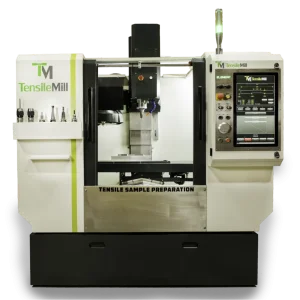
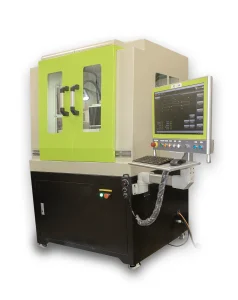
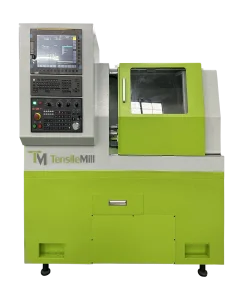
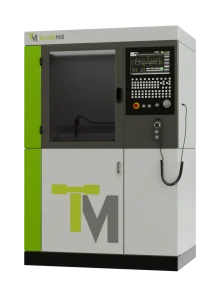
Specimen preparation and checks: Machining capability for tensile coupons (turning/milling and, where needed, threading); dimensional inspection tools (calipers/micrometers and gauges) for verifying specimen dimensions and consistency before test.
If you are selecting grips and an extensometer for a particular specimen style and force range, you can request a detailed quote for a system configured around your specimen geometry and throughput needs.
How to read this designation or revision
Typical designation format: DIN 50125:YYYY-MM (for example, DIN 50125:2022-08).
Why the edition matters: Specimen type options, dimensional examples, and preparation rules can change by revision. When comparing historical test data or qualifying to a customer requirement, align the cited DIN 50125 edition with the edition stated in the contract, drawing note, or quality plan.
Related standards, methods, or frameworks
DIN 50125 is commonly used alongside metallic tensile testing standards that define how to run the tensile test and calculate/report results. In many lab workflows, DIN 50125 covers the specimen definition while a separate tensile test standard covers test execution, strain measurement, and reporting requirements.
Common pairing: DIN EN ISO 6892-1 (tensile testing of metallic materials at room temperature) is frequently referenced in the same workflow when specimen preparation must be compatible with the tensile test method’s requirements.
Get help configuring a DIN 50125 tensile testing setup
For help matching specimen type (flat, round, threaded-end, shoulder-ended) to the right grips, extensometer, and machine capacity, contact our team with your material, expected strength range, and specimen drawing or target dimensions.