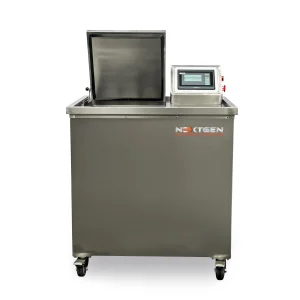
FTMS 191 Method 5610 / 5622 is used in textile qualification work where a buyer needs colorfastness evidence under laundering and petroleum-solvent wet dry-cleaning exposure conditions. It is most often referenced when verifying dyed or printed materials against procurement requirements for uniforms, apparel, and other textile products.
If you need help aligning the right exposure test (laundering vs. wet dry cleaning) to your requirement callout and material type, contact our team to talk through the workflow and typical lab setup.
FTMS 191 Method 5610 / 5622
These are individual test methods within the Federal Test Method Standard (FTMS) 191 textile-method series. They are commonly cited when a specification requires demonstrating resistance to color change and/or staining after a controlled laundering exposure (Method 5610) and a controlled petroleum-solvent wet dry-cleaning exposure (Method 5622).
Because equipment configuration and reporting expectations can vary with the exact contract callout (and the specific edition referenced), it is good practice to match your chamber type, container set, and evaluation approach to the cited method reference in the purchasing document.
Quick Definition
Method 5610: A laundering colorfastness method for cotton and linen textile materials that uses a laboratory laundering device (commonly referred to as a Launder-Ometer style system) to simulate wash exposure under defined conditions.
Method 5622: A petroleum-solvent wet dry-cleaning colorfastness method for textile materials that evaluates appearance change and potential staining after solvent-based exposure conditions used to represent wet dry-cleaning practice.
What This Standard Covers
Method 5610 / 5622 focuses on colorfastness performance after two different care exposures:
- Laundering exposure (Method 5610), typically used to support “wash fastness” requirements for textile materials expected to be laundered in service.
- Petroleum-solvent wet dry-cleaning exposure (Method 5622), typically used where solvent cleaning is part of the expected care/maintenance route or where a procurement document calls out petroleum-solvent performance.
These methods are about evaluating color change and/or color transfer risk after the specified exposure, not about tensile strength, seam strength, or fabric durability testing.
Why This Standard Matters in Testing
Colorfastness issues often show up as unacceptable shade change, visible staining on adjacent materials, or inconsistent appearance after care. When FTMS 191 Method 5610 or 5622 is cited in a contract, test reports tied to these methods are commonly used to support:
- Incoming inspection and lot acceptance decisions for dyed/printed textiles.
- Supplier comparisons when multiple dyehouses or finishing routes are being evaluated.
- Corrective-action investigations tied to complaints about bleeding, staining, or shade shift after care.
Common Materials, Product Types, or Applications Covered
These methods are commonly encountered with:
- Dyed or printed fabrics used for apparel and uniform programs.
- Textile components and linings where solvent cleaning or laundering is specified by the end use.
- Cotton and linen materials specifically when a procurement document references Method 5610 for laundering colorfastness.
In many programs, the method callout is driven more by the procurement document and required care route than by the fiber type alone.
Common Test or Verification Workflow
A typical workflow includes preparing representative specimens, running the required exposure cycle(s) in the appropriate laboratory apparatus, then evaluating color change and/or staining using the evaluation approach required by the purchase specification.
Common workflows: Lot qualification testing, incoming material verification, supplier approval testing, and troubleshooting for color transfer or shade shift after care.
Equipment Commonly Used for This Standard
Equipment selection is primarily driven by the exposure route (laundering vs. petroleum-solvent wet dry cleaning) and the throughput your lab needs.
Common equipment for Method 5610 (laundering exposure): Laboratory laundering systems in the Launder-Ometer family (sealed containers/canisters with controlled agitation and temperature), compatible specimen holders, and controlled heating/temperature monitoring.
Common equipment for Method 5622 (petroleum-solvent wet dry cleaning exposure): Laboratory solvent-cleaning or wet dry-cleaning testers designed for petroleum-solvent operation (sealed containers, controlled rotation/agitation) and solvent-handling accessories appropriate for safe lab operation.
Common evaluation equipment (both methods): Standardized lighting/viewing conditions (light booth), rating aids used by textile labs, and (when instrument-based evaluation is required) a spectrophotometer suitable for textiles.
If you are comparing chamber sizes, container counts, or solvent-compatible configurations for your lab, you can request a detailed quote for an equipment package matched to the standard callout and your expected sample volume.
How to Read This Designation or Revision
Designation format: “FTMS 191 Method 5610” and “FTMS 191 Method 5622” identify specific method numbers within the FTMS 191 textile test method series.
Revision sensitivity: Test setup, exposure conditions, and rating/reporting details may depend on the exact edition referenced in the procurement document (for example, older “191A” references). When quoting equipment or setting up a procedure, match the method callout exactly as it appears in the governing specification.
Related Standards, Methods, or Frameworks
Specifications sometimes pair FTMS 191 laundering and solvent-cleaning colorfastness callouts with other colorfastness requirements (such as crocking, perspiration, weathering, or light exposure). When multiple fastness tests are required, labs typically align equipment and evaluation tools so results are consistent across the full test plan.
Talk with a testing equipment specialist
If you are outfitting a lab for FTMS 191 Method 5610 / 5622 and need to confirm which laundering tester or petroleum-solvent wet dry-cleaning setup best matches your cited requirement, talk with our team about your material type, throughput needs, and documentation requirements.