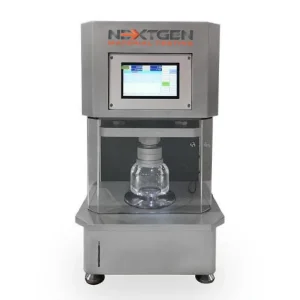
FZ/T 01030-2016 is a Chinese textile-industry test method for evaluating seam performance in knitted fabrics and elastic woven fabrics using a bursting-style loading approach. It is commonly used when you need a practical seam-strength check under multi-directional stress rather than a simple straight tensile pull.
This standard is limited to straight seams and is not intended for seams with large curvature. If you need help matching seam type, fabric stretch behavior, and the right test approach for your product, talk with our team before locking in the setup.
FZ/T 01030-2016 (textile industry standard)
FZ/T 01030-2016 covers determination of seam strength and seam expansibility for knitted fabrics and elastic woven fabrics using bursting-based methods. In practice, labs use it to compare seam constructions, sewing parameters, thread choices, and fabric/seam combinations under a dome-like deformation that can better represent real garment stress in certain areas.
Because seam behavior depends heavily on fabric stretch, seam geometry, and stitch construction, results and test suitability can be sensitive to how specimens are prepared and how the seam is positioned in the clamp.
Quick definition
FZ/T 01030-2016 is a seam-performance bursting test method for knitted fabrics and elastic woven fabrics, intended for straight seams.
What This Standard Covers
This standard describes bursting-style procedures used to load a seamed specimen until failure (or to a defined endpoint, depending on the procedure), and to record seam strength and seam expansibility (the extent of deformation/expansion at the seam during bursting).
Method families: The standard is commonly cited with a ball-burst style method and a diaphragm (membrane) bursting approach as alternative options, depending on the instrument available and the lab’s reporting needs.
Stated applicability: Knitted fabrics and elastic woven fabrics; straight seams only; not intended for seams with large curvature.
Why This Standard Matters in Testing
Seams are often the first failure point in stretch fabrics, and a bursting-type seam test can expose weaknesses that are not obvious in a simple uniaxial seam tensile test. This can be valuable for:
- Comparing seam constructions (stitch type, seam allowance, reinforcement).
- Checking sewing quality consistency across production lots.
- Screening fabric and thread combinations for end-use performance.
For equipment selection, the most important practical issue is matching the standard’s method option to the correct bursting instrument configuration and clamp/fixture geometry.
Common Materials, Product Types, or Applications Covered
This standard is most commonly applied to seamed assemblies made from knitted fabrics and elastic woven fabrics where seam integrity under multi-directional deformation is a concern.
Typical product contexts: Stretch apparel panels, sportswear, base layers, underwear, compression or close-fitting garments, and other textile products where fabrics have notable extensibility and seam failure can occur under localized dome-like strain.
Common Test or Verification Workflow
Many labs use FZ/T 01030 within a broader seam-performance program that includes specimen preparation controls, conditioning (where required by the lab’s quality system or contract), testing to the chosen method option, and reporting with clear identification of the method and instrument configuration.
Common workflow: Sew or obtain a straight-seam specimen → prepare specimens to the required dimensions and seam placement → clamp in the specified bursting fixture → load to rupture while tracking force/pressure and expansion/displacement → record seam strength and seam expansibility and document failure mode.
Equipment Commonly Used for This Standard
FZ/T 01030 typically points to a bursting testing setup rather than a standard tensile “strip” seam test. The exact fixture and measurement outputs depend on which method option is specified in the purchase specification or test plan.
Common equipment families: Bursting strength testers configured for ball-burst testing, and bursting strength testers using a diaphragm/membrane system with appropriate clamps.
Common accessories and capabilities: Correct clamping ring(s), appropriate plunger/ball or diaphragm components, displacement/expansion measurement as required by the chosen method, and specimen preparation tools (cutting and sewing equipment) to control seam construction and repeatability.
Quoting caution: For comparable results, fixture geometry, clamp diameter, and how expansion is captured can matter as much as the load-range capability. If you are selecting a tester or fixture package for this method, you can request a detailed quote with the method option and reporting needs included.
How to Read This Designation or Revision
FZ/T: China textile industry recommended standard designation.
01030: The specific standard number within the FZ/T system.
-2016: The edition year shown in the standard record for this document.
When ordering testing or specifying equipment, cite the full designation (including year) to avoid method, fixture, or reporting mismatches between editions.
Related Standards, Methods, or Frameworks
Seam performance in textiles is often assessed using more than one loading style. Depending on the end-use risk, some labs pair bursting-based seam evaluation with a grab/tensile-based seam method for comparison.
Commonly paired reference: FZ/T 01031 (grab method for seam strength and elongation of knitted fabrics and elastic woven fabrics) is often referenced alongside FZ/T 01030 when a uniaxial seam assessment is also needed.
Get help selecting a setup for FZ/T 01030
If you need to align a bursting tester configuration (ball-burst vs diaphragm), clamp geometry, and data output to the exact FZ/T 01030 edition cited in your spec, contact our team and share the product type and the edition year you are working to.