FZ/T 60019-1994 is a Chinese textile-industry test method for measuring the bursting strength of nonwoven fabrics using a diaphragm-type bursting test approach.
Labs and manufacturers use this method for incoming inspection, process control, and product qualification where a pressure-to-burst result is needed for nonwovens. If you need help aligning your material type and test setup to the correct edition and reporting expectations, talk with our team.
FZ/T 60019-1994 — Test method for bursting strength of nonwoven fabrics
This standard describes a controlled way to apply pressure through a rubber diaphragm to a clamped specimen until rupture, then report bursting strength for nonwoven materials.
Because it is a method standard (not a product specification), it is most often used to generate comparable QC data across lots, suppliers, or production lines.
Quick Definition
What it is: A bursting strength test method for nonwoven fabrics.
What it measures: Pressure (or equivalent force/pressure output) at the moment the specimen bursts under diaphragm pressure.
Typical output: Bursting strength result used for acceptance criteria, comparative benchmarking, or trend monitoring.
What This Standard Covers
FZ/T 60019-1994 applies to nonwoven fabrics and focuses on determining bursting strength by loading a defined test area with pressure normal to the specimen surface until rupture.
The method is intended for materials where multi-directional stress behavior is relevant (common in many nonwoven structures), making a bursting approach practical compared with a single-direction strip tensile test.
Why This Standard Matters in Testing
Bursts can occur in nonwovens under localized, multi-axial stress during converting and end use. A diaphragm bursting method provides a repeatable lab indicator that can be used to compare constructions, binder levels, basis weights, and process changes.
In procurement and QA/QC, bursting strength results are often used to screen suppliers, set internal control limits, and verify consistency when nonwovens are used as functional layers (for example, hygiene, medical, filtration, wipes, or protective applications).
Common Materials, Product Types, or Applications Covered
This method is used for a wide range of nonwoven fabric types, including both lighter-weight webs and more robust industrial nonwovens, where a burst-style strength value is specified or useful.
Common use cases: Supplier qualification, lot release testing, process change validation, and comparative product development screening for nonwoven structures.
Common Test or Verification Workflow
A typical workflow includes specimen conditioning (where required), cutting specimens suitable for the clamp area, clamping to prevent slippage, and applying controlled diaphragm pressure until rupture.
Common workflow elements: Conditioning to a specified textile testing atmosphere, verification of clamp integrity and diaphragm condition, replicate testing across a sample set, and recording the burst value at failure.
Equipment Commonly Used for This Standard
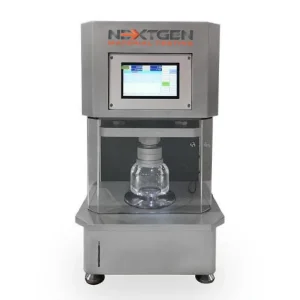
FZ/T 60019-1994 is typically performed on a diaphragm bursting strength tester configured for repeatable pressure application and secure specimen clamping.
Common equipment: Diaphragm (hydraulic) bursting strength tester, ring clamp assembly sized for the method’s test area, pressure measurement and control system, suitable test fluid (where applicable to the instrument design), and basic specimen cutting tools.
Practical selection note: When specifying a tester, key purchase drivers are the pressure range and resolution, clamp quality (to reduce slippage and edge leaks), diaphragm durability, and calibration support matched to your lab’s compliance requirements. If you are comparing instrument ranges, clamp options, or automation features, you can request a detailed quote for a configuration aligned to your throughput and reporting needs.
How to Read This Designation or Revision
FZ/T: Chinese textile industry recommended standard prefix.
60019: The standard’s identifying number within the FZ/T series.
-1994: The publication year shown for this edition.
Revision sensitivity: Test setup details (such as the specified clamp geometry and reporting expectations) depend on the exact cited edition, so purchase specs and lab work instructions should reference the same year/version used in your customer or regulatory requirement.
Related Standards, Methods, or Frameworks
Depending on customer and market requirements, bursting strength for textiles may also be referenced using other textile bursting standards that use similar diaphragm-based concepts. These may be used in parallel programs when results must be reported to different frameworks.
Commonly encountered references: ISO textile bursting strength methods and GB/T textile bursting strength methods for fabrics (often cited for woven/knit textiles), plus ASTM textile fabric bursting methods used in global supply chains.
Get help selecting a bursting test setup for FZ/T 60019-1994
If you need a bursting strength tester configured for nonwovens (range, clamp set, calibration package, and reporting workflow), ask for a quote and share your material type, basis weight range, and expected burst levels.