GB/T 12490 is a Chinese national recommended standard for evaluating textile color fastness to domestic and commercial laundering. It is commonly used to assess both shade change of the specimen and staining of adjacent fabric(s) after a controlled wash exposure.
If you are unsure which wash method, temperature, detergent/bleach system, or evaluation approach your customer specification calls out, talk with our team about aligning the test setup to the exact cited edition and end-use requirement.
GB/T 12490-2014 — Textiles—Tests for colour fastness—Colour fastness to domestic and commercial laundering
GB/T 12490-2014 is the current listed edition on China’s national standards public information platform. It describes a controlled laundering exposure for textiles using defined mechanical action and chemistry, followed by rating of color change and staining.
| Field | Value |
|---|---|
| Standard number | GB/T 12490-2014 |
| English title | Textiles—Tests for colour fastness—Colour fastness to domestic and commercial laundering |
| Chinese title | 纺织品 色牢度试验 耐家庭和商业洗涤色牢度 |
| Status | Current (现行) |
| Publish date | 2014-09-03 |
| Implementation date | 2015-03-01 |
| ICS | 59.080.01 |
Quick definition
What it is: A textile color fastness laundering method that simulates domestic or commercial wash exposure under standardized mechanical action and chemistry.
What it produces: Ratings for specimen color change and staining of adjacent fabric(s), typically using grey scales and/or instrumental assessment (depending on the edition and method option).
What it influences: Selection of laundering test equipment (launderometer/wash-wheel system), containers, mechanical action media, temperature control, and evaluation tools for color change/staining.
What this standard covers
GB/T 12490 covers procedures for determining color fastness to domestic and commercial laundering for a wide range of textile materials and typical household textile articles. The method launders a specimen in contact with specified adjacent fabric(s), then evaluates both discoloration of the specimen and staining on the adjacent material.
The laundering exposure is designed to generate results in a practical timeframe by controlling temperature, alkalinity, optional bleaching system, and mechanical/abrasive action.
Why this standard matters in testing
Wash fastness is a common acceptance requirement for dyed and printed textiles because laundering can drive dye transfer, shade change, and customer complaints. GB/T 12490 provides a repeatable lab approach to compare materials, verify production lots, and qualify colorfastness performance against brand requirements.
For labs and QA/QC teams, the most common risk is mismatching the required method option (single vs. multiple wash exposure, temperature level, detergent/bleach system, and evaluation approach). That mismatch can change severity and can alter pass/fail outcomes.
Common materials, product types, or applications covered
GB/T 12490 is widely applied to colored textile substrates and finished textile products where laundering durability and dye transfer are critical.
- Apparel fabrics and garment components (woven, knit, and blends)
- Home textiles such as bedding and similar household articles
- Dyed or printed textiles where staining of adjacent materials is a concern
Common test or verification workflow
A typical GB/T 12490 workflow includes specimen preparation with adjacent fabric(s), a controlled laundering run using a mechanical device with defined container geometry and mechanical action media, rinsing, drying, and evaluation of color change and staining.
Common workflow steps: Prepare composite specimen with adjacent fabric(s) → launder under the specified method conditions → rinse (and optional souring step when required) → dry under controlled conditions → grade discoloration and staining using grey scales and/or instrumental methods → report method conditions and ratings.
Equipment commonly used for this standard
GB/T 12490 is equipment-oriented: consistent results depend on repeatable temperature control, mechanical action, container set-up, and evaluation tools.
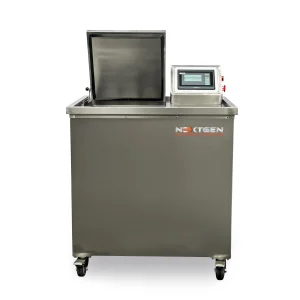
Laundering device (launderometer / wash-wheel system): A temperature-controlled water bath with rotating shaft supporting stainless steel containers is commonly used; the method uses low liquor ratio conditions and mechanical action media (such as steel balls) to generate controlled abrasive action.
Typical supporting items: Stainless steel test containers and sealing rings, calibrated temperature control, timer/speed control, dosing tools for detergents/bleach systems specified by the method, and appropriate adjacent fabric sets.
Evaluation tools: Grey scales for assessing change in color and staining are commonly used, with optional instrumental evaluation depending on the required approach. A controlled viewing light source or color evaluation workstation is often used to improve grading consistency.
If you are comparing container counts, bath capacity, temperature uniformity, or accessory sets for a laundering system, you can request pricing for an equipment package matched to your throughput and reporting needs.
How to read this designation or revision
GB/T indicates a recommended (non-mandatory) national standard of the People’s Republic of China.
12490 is the standard number within the GB/T system.
Year suffix (for example, GB/T 12490-2014): identifies the edition tied to specific method options, referenced materials, and reporting requirements. For purchasing or setting up equipment, match the exact edition and method option cited in the customer specification.
Related standards, methods, or frameworks
GB/T 12490-2014 is structured as a laundering color fastness method and is aligned to the ISO 105 color fastness framework (it modifies and adopts ISO 105-C06:2010). It also commonly pairs with grey scale assessment standards used to grade color change and staining.
Get help selecting a GB/T 12490 test setup
If you need a laundering system configured for GB/T 12490 method options (temperature range, container sets, mechanical action media, and evaluation approach), we can scope the right configuration for your lab and throughput—request a detailed quote.