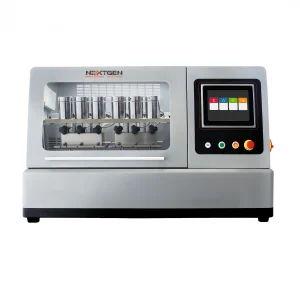
GB/T 1633 is a Chinese national standard test method for determining the Vicat softening temperature (VST) of thermoplastic materials. VST is commonly used to compare heat-softening behavior and support material selection, incoming inspection, and product qualification.
This standard is often specified for molded parts, extruded profiles, and plastic compounds where a defined softening point under load is needed for QA/QC documentation. If you need help matching the cited edition to your lab setup or customer requirement, talk with our team.
GB/T 1633-2025 — Plastics — Determination of Vicat Softening Temperature (VST) of Thermoplastics
GB/T 1633-2025 is the current edition listed for this designation, issued on December 2, 2025 and scheduled to be implemented on July 1, 2026. It fully replaces GB/T 1633-2000.
GB/T 1633 is a method-type standard focused on the VST measurement itself. Product standards may reference it to define which VST condition is required for acceptance, comparison, or batch release.
Quick Definition
Vicat softening temperature (VST) is a temperature value determined by heating a thermoplastic specimen at a defined rate while applying a specified force through an indenter, then recording the temperature at a defined penetration criterion.
Best use: Comparing thermoplastics’ resistance to softening under a localized load and documenting a consistent heat-performance checkpoint for QA/QC.
What This Standard Covers
GB/T 1633 covers the determination of Vicat softening temperature for thermoplastic materials. The method is commonly applied when a purchaser, internal specification, or product standard requires a VST value measured under defined test conditions.
Because VST depends on the specific condition (load, heating rate, specimen configuration, and reporting format), purchase documents and customer drawings typically cite an exact GB/T 1633 edition and a specific VST condition.
Why This Standard Matters in Testing
VST is widely used as a practical thermal performance indicator for thermoplastics that may not have a single sharp melting point and where softening behavior under load matters in service. It can support:
- Material selection and benchmarking across suppliers or formulations
- Lot-to-lot consistency checks for compounds and molded/extruded products
- Verification for downstream product standards that reference a minimum VST requirement
For lab managers, GB/T 1633 can be a frequent “release test” method because it is relatively straightforward to run once the correct condition and fixture setup are established.
Common Materials, Product Types, or Applications Covered
This standard is associated with thermoplastic materials and products where a Vicat softening temperature requirement is specified. Common examples include:
- Commodity and engineering thermoplastics (pellets, compounds, and molded plaques)
- Injection molded components where heat-softening resistance is part of qualification
- Extruded profiles and plastic building products
- Pipes, fittings, and related plastic components when referenced by a product-specific standard
In purchasing and compliance documents, VST requirements are often used alongside other thermal and mechanical checks to define performance at elevated temperatures.
Common Test or Verification Workflow
Typical VST verification using GB/T 1633 follows a controlled sequence that aligns the specimen, indenter/load, heating environment, and temperature measurement to the cited condition.
Common workflows: Incoming material qualification, process-change validation, supplier comparison, routine production release testing, and customer audit documentation.
Practical caution: VST results are highly condition-dependent, so the lab should confirm the exact GB/T 1633 edition and the exact required VST condition as stated in the customer or product specification before running comparison testing.
Equipment Commonly Used for This Standard
GB/T 1633 testing is typically performed on a dedicated Vicat softening temperature (often combined Vicat/HDT) instrument configured to apply a controlled load through an indenter while heating the specimen at a controlled rate and recording the temperature at the specified penetration criterion.
Common equipment: Vicat (or Vicat/HDT) tester, calibrated temperature sensing, standardized indenter/penetration measurement, load application system, and a controlled heating medium or chamber as required by the method configuration.
When quoting equipment, the most important items to align are the required temperature range, heating rate control, number of test stations (throughput), data capture/reporting needs, and the fixture set that matches the specimen form used by the material or product standard.
If you are comparing station counts, temperature range, or control/reporting options for VST testing, you can request a detailed quote for a configuration matched to your workload.
How to Read This Designation or Revision
GB/T indicates a recommended (non-mandatory) Chinese national standard.
1633 is the standard number for the Vicat softening temperature test method for thermoplastics.
Edition year: The year suffix identifies the edition (for example, GB/T 1633-2025). The 2025 edition is scheduled to implement on July 1, 2026 and fully replaces GB/T 1633-2000, so purchase specifications and historical test reports should be checked for the exact cited edition.
Related Standards, Methods, or Frameworks
GB/T 1633-2025 is listed as a modified adoption of ISO 306:2022, which is the widely used international reference for Vicat softening temperature testing of thermoplastics.
Depending on the product category, a separate product-focused Vicat method may also be referenced (for example, standards covering thermoplastic pipes and fittings). Always follow the product standard’s required condition and reporting format when it cites GB/T 1633.
Get help selecting a GB/T 1633 VST test setup
If you need a VST system sized for your specimen geometry, throughput, and reporting requirements, request pricing and we will scope a configuration that aligns with the GB/T 1633 edition and the condition your customers cite.