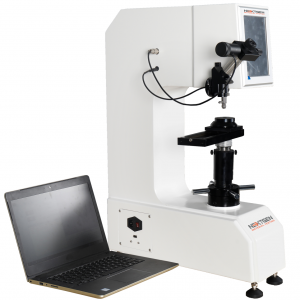
GB/T 231.2 is the Chinese national standard that defines how Brinell hardness testing machines are confirmed and calibrated for use when determining Brinell hardness to the GB/T 231.1 test method. It focuses on confirming machine performance (forces, indenter, measurement system, and test cycle) rather than defining the Brinell hardness test itself.
This standard is typically used by metrology teams, QA/QC labs, and manufacturers to qualify a Brinell hardness tester before use, after repair, and at defined verification intervals. If you need help matching your tester type (bench vs. portable) and verification approach to your workflow, talk with our team.
GB/T 231.2-2022 — Metallic materials—Brinell hardness test—Part 2: Verification and calibration of testing machines
GB/T 231.2 is the part of the GB/T 231 Brinell hardness series that addresses verification and calibration of Brinell hardness testing machines. It describes both direct verification (checking individual machine parameters against limits) and indirect verification (using calibrated reference blocks to check overall machine performance).
Because Brinell hardness results are sensitive to force accuracy, indenter condition, dwell timing, and indentation measurement quality, GB/T 231.2 is commonly referenced in calibration certificates, internal audit requirements, supplier qualification, and quality-system procedures.
Quick Definition
Document type: Verification and calibration method for Brinell hardness testing machines.
Primary purpose: Defines direct and indirect verification methods and indicates when each verification type is required for machines used for Brinell hardness testing to GB/T 231.1.
Applies to: Fixed-location and portable Brinell hardness testing machines (with provisions for machines that cannot meet the specified force/time profile).
What This Standard Covers
GB/T 231.2 focuses on confirming that a Brinell hardness testing machine is fit to produce valid results under the GB/T 231.1 Brinell test method. It addresses two complementary approaches:
- Direct verification: Checking key performance parameters of the machine against specified limits (for example, test force application, indenter ball characteristics, indentation diameter measurement system calibration, and the testing cycle).
- Indirect verification: Confirming overall performance using Brinell reference blocks that have been calibrated to the applicable reference-block standard in the GB/T 231 series.
This standard also addresses verification intervals and the content of verification reports / calibration certificates.
Why This Standard Matters in Testing
Brinell hardness is frequently used for production control and material acceptance in metals where a larger indentation is preferred (for example, castings, forgings, and many heat-treated steel products). If the hardness tester is not properly qualified, hardness values can shift due to force errors, worn or incorrect indenter balls, poor optical measurement calibration, or timing/sequence issues during loading and dwell.
GB/T 231.2 is therefore most important when you need traceability and repeatability across operators, shifts, sites, or suppliers—and when hardness results are used for release decisions, PPAP-style documentation, or customer audits.
Common Materials, Product Types, or Applications Covered
GB/T 231.2 is not material-specific; it applies to the hardness machine used to test metallic materials by the Brinell method. In practice, it is commonly used in:
- Incoming inspection and supplier verification for metal bar, plate, forgings, and castings
- Heat-treatment verification where Brinell hardness is specified or used as a process-control metric
- Production QA/QC labs that need documented calibration and verification of hardness equipment
- Portable Brinell testing programs for large parts where bench testing is not practical
Common Test or Verification Workflow
GB/T 231.2 is typically used as part of a controlled verification program for Brinell hardness testing machines.
Common workflows:
- Commissioning / acceptance: Perform direct verification (and indirect verification where required) before placing a new machine into service.
- After service or repair: Re-verify the affected functions (often including the test cycle, force application, and measurement system) before returning the machine to use.
- Periodic verification: Use defined intervals and verification checks to maintain confidence between major calibrations.
- Indirect performance checks: Use calibrated Brinell reference blocks to confirm the machine’s overall performance for each force and ball size used in production testing.
When a machine is used for multiple hardness methods, it is typically managed as separate verification paths per method rather than assuming one verification covers all hardness scales.
Equipment Commonly Used for This Standard
GB/T 231.2 primarily drives how you verify and support a Brinell hardness tester. The exact tools depend on whether you are performing direct verification, indirect verification, or both.
Common equipment:
- Brinell hardness testing machine: Bench/floor model or portable Brinell unit configured for the forces and ball sizes used in your procedures.
- Brinell indenters (balls): Checked/certified indenter balls of the required size and material, with suitable handling and storage to prevent damage.
- Indentation diameter measurement system: Microscope/optical system or built-in imaging measurement that can be calibrated for diameter measurement performance.
- Brinell reference blocks: Calibrated reference blocks used for indirect verification (selected to match the force/ball combinations and hardness ranges used).
- Force verification tools: Force-proving instruments and related calibration chain used to check the applied test forces during direct verification.
- Timing/sequence checks: Tools or instrumentation to confirm the testing cycle aligns with the requirements of the Brinell test method used in your lab.
If you are specifying a new hardness tester or upgrading an older unit, equipment selection should consider how you will execute direct verification (force and cycle checks) and how you will run routine indirect checks with reference blocks. For help comparing machine frames, force ranges, measurement systems, and verification tooling, you can request pricing for a configuration aligned to your verification plan.
How to Read This Designation or Revision
GB/T 231 is a multi-part Brinell hardness standard series. The “.2” indicates Part 2, which addresses verification and calibration of testing machines (not the Brinell test method itself).
Common citation format: GB/T 231.2-2022 (year indicates the published edition). In many procurement documents and audit trails, the year matters because verification limits, verification intervals, and reporting expectations can vary by edition.
Current edition note: GB/T 231.2-2022 is published with an implementation date in 2023 and replaces GB/T 231.2-2012. When quoting equipment or calibration services, align the required verification program to the exact edition cited in your customer or internal quality documents.
Related Standards, Methods, or Frameworks
GB/T 231.2 is typically used alongside other parts of the Brinell hardness standard series and supporting calibration standards.
Common related references:
- GB/T 231.1: Brinell hardness test method (the test procedure that the checked machine is intended to run).
- GB/T 231.3: Calibration of Brinell reference blocks used for indirect verification.
- ISO 6506-2: International baseline document that GB/T 231.2-2022 is based on (modified adoption).
Get help selecting a GB/T 231.2-ready setup
If you are implementing a Brinell verification program or replacing an older hardness tester, we can help you align the tester configuration, force verification approach, and reference-block plan to the edition you need. Share your force/ball combinations and whether you require portable testing, and then contact our team to discuss options.